Browse 66 movies from Oslo Kinematografer
The film depicts Olav Vs and Märtha from Norway's trip to the USA in 1939
Nov 1939
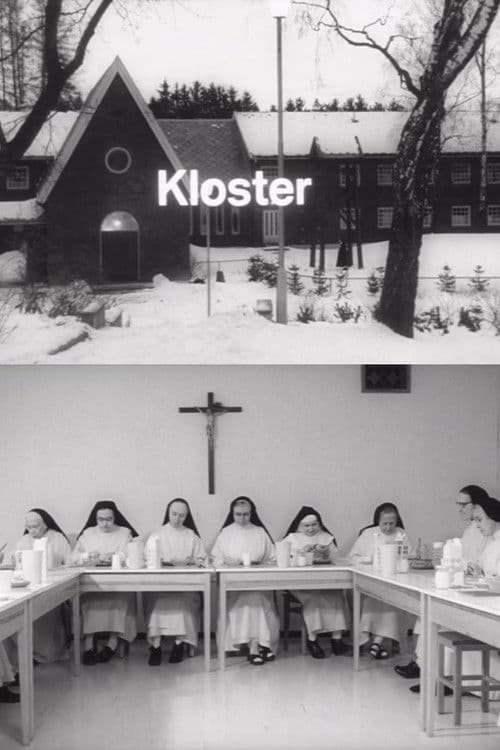
The Lunden monastery is a Dominican convent established in Oslo 1952, and is the only contemplative monastery in Norway.
Jan 1972
Short documentary on Obos, a building cooperative in Oslo.
Jan 1971
Oslo has its own sanitation. This film shows what tasks workers in the sanitation have. **** Oslofilm was a series of public information films about life in and around Oslo, produced between 1940 and 1980. Funded by the state, the films offer valuable insight into postwar Norwegian society. A wide range of Norwegian filmmakers contributed to the productions, resulting in a rich variety of styles and expressions. Several of the films also possess notable cinematic qualities, standing out as more than just informational material. The Oslofilms represent a unique and important chapter in Norwegian film history.
Feb 1952
Film that encourages Oslo citizens to participate actively in Kulturuken 1966 (16-23 September). Glimpse of theater, opera, cinema, concerts, art collections. ***** Oslofilm was a series of public information films about life in and around Oslo, produced between 1940 and 1980. Funded by the state, the films offer valuable insight into postwar Norwegian society. A wide range of Norwegian filmmakers contributed to the productions, resulting in a rich variety of styles and expressions. Several of the films also possess notable cinematic qualities, standing out as more than just informational material. The Oslofilms represent a unique and important chapter in Norwegian film history.
Jan 1966
From the time the island of Langåra was a summer home for Oslo's population. ***** Oslofilm was a series of public information films about life in and around Oslo, produced between 1940 and 1980. Funded by the state, the films offer valuable insight into postwar Norwegian society. A wide range of Norwegian filmmakers contributed to the productions, resulting in a rich variety of styles and expressions. Several of the films also possess notable cinematic qualities, standing out as more than just informational material. The Oslofilms represent a unique and important chapter in Norwegian film history.
Dec 1953
Jan 1963
Every day, fresh foods are transported to Oslo to saturate the city's nearly 500,000 mouths. The food is distributed in various distribution centers on its way to the consumers: fish halls, slaughterhouses, dairies and marketplaces. ***** Oslofilm was a series of public information films about life in and around Oslo, produced between 1940 and 1980. Funded by the state, the films offer valuable insight into postwar Norwegian society. A wide range of Norwegian filmmakers contributed to the productions, resulting in a rich variety of styles and expressions. Several of the films also possess notable cinematic qualities, standing out as more than just informational material. The Oslofilms represent a unique and important chapter in Norwegian film history.
Jan 1953
The film explores the importance of water for Oslo, both for industry and for private citizens. It shows where the water comes from and what happens to it, and presents both the city’s water supply and sewerage systems. ***** Oslofilm was a series of public information films about life in and around Oslo, produced between 1940 and 1980. Funded by the state, the films offer valuable insight into postwar Norwegian society. A wide range of Norwegian filmmakers contributed to the productions, resulting in a rich variety of styles and expressions. Several of the films also possess notable cinematic qualities, standing out as more than just informational material. The Oslofilms represent a unique and important chapter in Norwegian film history.
A docudrama about Oslo’s electricity supply. The film depicts a power outage, provides some historical background on Oslo Lysverker, and examines a modern electricity supply network. ***** Oslofilm was a series of public information films about life in and around Oslo, produced between 1940 and 1980. Funded by the state, the films offer valuable insight into postwar Norwegian society. A wide range of Norwegian filmmakers contributed to the productions, resulting in a rich variety of styles and expressions. Several of the films also possess notable cinematic qualities, standing out as more than just informational material. The Oslofilms represent a unique and important chapter in Norwegian film history.
Jan 1951
We follow the green city boundary from Ljan on the east side of the Oslofjord, up through Østmarka, Nordmarka and back down to the fjord. On the road we meet people and animals, railways, farms, agriculture and forestry. ***** Oslofilm was a series of public information films about life in and around Oslo, produced between 1940 and 1980. Funded by the state, the films offer valuable insight into postwar Norwegian society. A wide range of Norwegian filmmakers contributed to the productions, resulting in a rich variety of styles and expressions. Several of the films also possess notable cinematic qualities, standing out as more than just informational material. The Oslofilms represent a unique and important chapter in Norwegian film history.
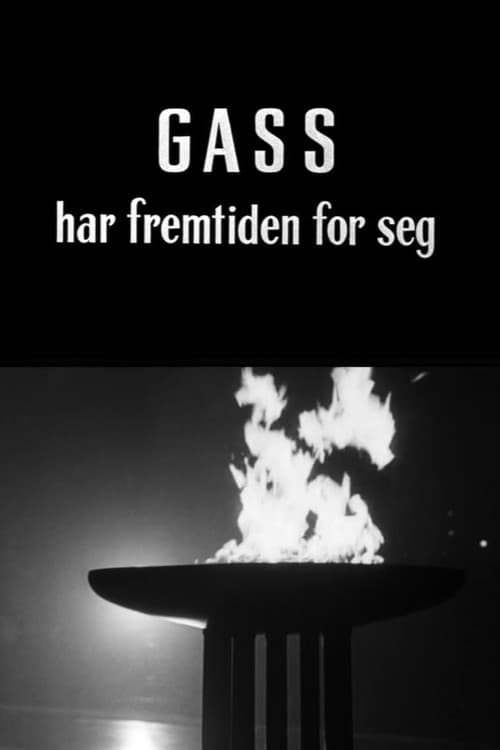
In the mid-1950s, Oslo imported 27,000 tons of coal annually, which was converted into coke, gas, and tar. This production took place at the Oslo Gasworks at Ankertorget. The gas was used both in private households and by industry. ***** Oslofilm was a series of public information films about life in and around Oslo, produced between 1940 and 1980. Funded by the state, the films offer valuable insight into postwar Norwegian society. A wide range of Norwegian filmmakers contributed to the productions, resulting in a rich variety of styles and expressions. Several of the films also possess notable cinematic qualities, standing out as more than just informational material. The Oslofilms represent a unique and important chapter in Norwegian film history.
Jan 1956
Here, on a continuous basis, the city's sculptures are displayed, while a narrator tells us everything we need to know about it.
The film offers an insight into Oslo’s art scene, from teaching at the National Academy of Fine Arts and Kunstnernes Hus to major galleries and museums. We visit the National Gallery and encounter key artists such as I.C. Dahl, Christian Krohg, and Edvard Munch. **** Oslofilm was a series of public information films about life in and around Oslo, produced between 1940 and 1980. Funded by the state, the films offer valuable insight into postwar Norwegian society. A wide range of Norwegian filmmakers contributed to the productions, resulting in a rich variety of styles and expressions. Several of the films also possess notable cinematic qualities, standing out as more than just informational material. The Oslofilms represent a unique and important chapter in Norwegian film history.
Ekely was painter Edvard Munch's property in Oslo, where the Oslo municipality established a colony for artists. Norwegian artists, such as sculptor Hilt, are seen at work. ***** Oslofilm was a series of public information films about life in and around Oslo, produced between 1940 and 1980. Funded by the state, the films offer valuable insight into postwar Norwegian society. A wide range of Norwegian filmmakers contributed to the productions, resulting in a rich variety of styles and expressions. Several of the films also possess notable cinematic qualities, standing out as more than just informational material. The Oslofilms represent a unique and important chapter in Norwegian film history.
How the Port of Oslo was in 1948, and the technical facilities the port could offer with loading, unloading, transit, forwarding, etc. // Oslofilm was a series of public information films about life in and around Oslo, produced between 1940 and 1980. Funded by the state, the films offer valuable insight into postwar Norwegian society. A wide range of Norwegian filmmakers contributed to the productions, resulting in a rich variety of styles and expressions. Several of the films also possess notable cinematic qualities, standing out as more than just informational material. The Oslofilms represent a unique and important chapter in Norwegian film history.
Jul 1948
A film about faces, about expressions, about situations. The film is based on a poem by the Danish poet Poul Borum. The recordings are made in the Munch Museum in Oslo and based on the faces of Munch's pictures.
Jan 1969
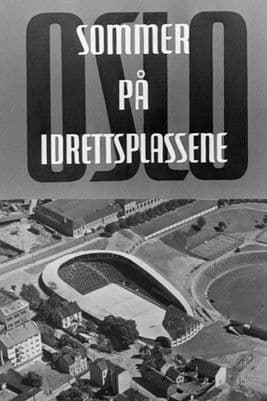
Oslo has many sports fields, including Voldsløkka, Dælenenga, Ekebergsletta and Bislett. **** Oslofilm was a series of public information films about life in and around Oslo, produced between 1940 and 1980. Funded by the state, the films offer valuable insight into postwar Norwegian society. A wide range of Norwegian filmmakers contributed to the productions, resulting in a rich variety of styles and expressions. Several of the films also possess notable cinematic qualities, standing out as more than just informational material. The Oslofilms represent a unique and important chapter in Norwegian film history.
Jun 1954
Oslo City Museum celebrated its 50th anniversary in 1955. This film, made a year prior to the anniversary, shows us 900 years of Oslo's history using models, paintings and old footage. ***** Oslofilm was a series of public information films about life in and around Oslo, produced between 1940 and 1980. Funded by the state, the films offer valuable insight into postwar Norwegian society. A wide range of Norwegian filmmakers contributed to the productions, resulting in a rich variety of styles and expressions. Several of the films also possess notable cinematic qualities, standing out as more than just informational material. The Oslofilms represent a unique and important chapter in Norwegian film history.
Oslo Municipality has many child welfare works, including orphanages, a tuberculosis home in Åkebergveien, Fagerholm, Breidablikk, and holiday colonies at Slagen by Åsgårdstrand. ***** Oslofilm was a series of public information films about life in and around Oslo, produced between 1940 and 1980. Funded by the state, the films offer valuable insight into postwar Norwegian society. A wide range of Norwegian filmmakers contributed to the productions, resulting in a rich variety of styles and expressions. Several of the films also possess notable cinematic qualities, standing out as more than just informational material. The Oslofilms represent a unique and important chapter in Norwegian film history.
Aug 1950