From Wikipedia, the free encyclopedia
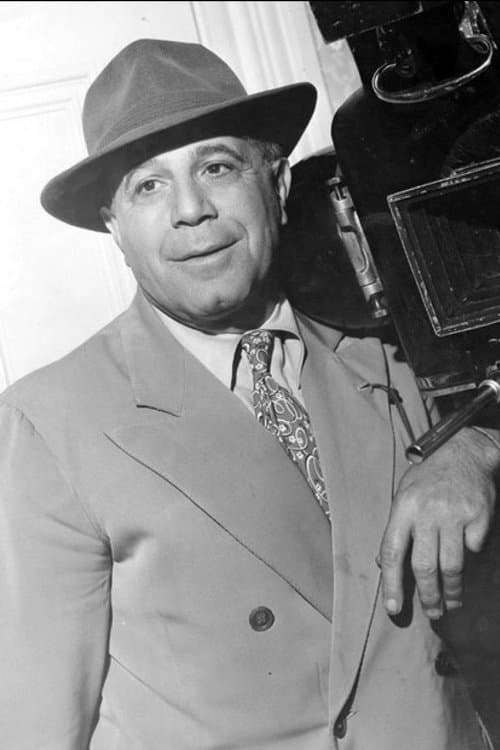
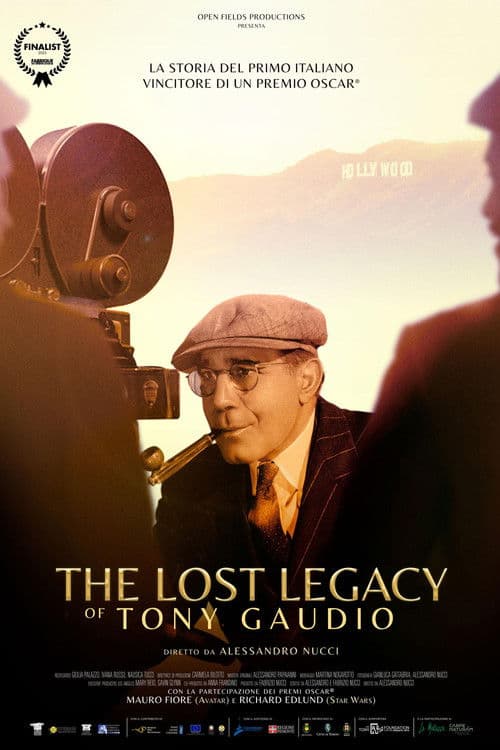
Tony Gaudio, A.S.C. (20 November 1883 – 10 August 1951) was an Italian American cinematographer and is sometimes cited as the first to have created a montage sequence for a film.
Born Gaetano Antonio Gaudio in Cosenza, Italy, he began his career shooting short subjects for Italian film companies. He moved to New York City in 1906 and worked in Vitagraph's film laboratory until 1909, when he began shooting shorts for the company. His credits include Hell's Angels (1930), Little Caesar (1931), The Lady Who Dared (1931), Tiger Shark (1932), Anthony Adverse (1936), The Story of Louis Pasteur (1936), The Life of Emile Zola (1937), God's Country and the Woman (Warner Brothers' first Three-strip Technicolor film, (1937), The Adventures of Robin Hood (1938), Juarez (1939), The Letter (1940), High Sierra (1941), Corvette K-225 (1943), Days of Glory (1944), A Song to Remember (1945), and The Red Pony (1949).
Gaudio was a favorite of Bette Davis and worked on eleven of her films, including Ex-Lady, Fog Over Frisco, Front Page Woman, Bordertown, The Sisters, Juarez, The Letter, and The Great Lie.
Gaudio won the Academy Award for Best Cinematography for Anthony Adverse and was nominated five additional times, for Hell's Angels, Juarez, The Letter, Corvette K-225, and A Song to Remember. He was among the founders of the American Society of Cinematographers.
He died in 1951 and is interred in the Hollywood Forever Cemetery in Hollywood, California. His brother Eugene Gaudio, also a cinematographer, died in 1920 at the age of 34.