The Couch Critic Logo
The Couch CriticCouch Critic
TrendingMoviesTV ShowsListsReviewsWhat to Watch
LogoThe Couch Critic

Menu

TrendingMoviesTV ShowsListsReviewsWhat to Watch

© 2026 The Couch Critic

The Couch Critic Logo

The Couch Critic

Your go-to destination for honest movie and TV show reviews from a passionate community of critics. Join the conversation today.

X

Explore

  • Trending
  • Movies
  • TV Shows
  • Reviews
  • Lists
  • Games
  • About Us

Categories

  • Popular Movies
  • Trending Now
  • Upcoming
  • Airing Today
  • Movie Genres
  • TV Genres

Community

  • Guides
  • What to Watch

Legal

  • Privacy Policy
  • Terms of Service
  • Cookie Policy
  • RSS Feed
© 2026 The Couch Critic.•Built by Hayden Thorn
Cookie Settings
The Movie Database

This application uses TMDB and the TMDB APIs but is not endorsed, certified, or otherwise approved by TMDB.

Home/People/Miklós Rózsa
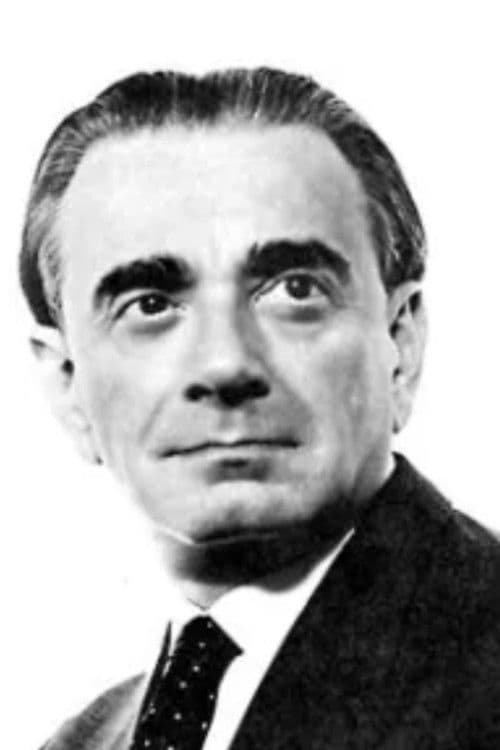
Miklós Rózsa profile photo
Born
Apr 18, 1907Died: Jul 27, 1995
Lived 88 years
Place of Birth
Budapest, Austria-Hungary [now Hungary]
Known For
Sound
Gender
Male

Career Highlights

2
Movies
2
TV Shows
Also Known As
Miklos Rozsa
IMDb Profile

Miklós Rózsa

Sound

Biography
Miklós Rózsa (18 April 1907 – 27 July 1995) was a Hungarian-born composer trained in Germany (1925 – 1931), and active in France (1931 – 1935), England (1935 – 1940), and the United States (1940 – 1995), with extensive sojourns in Italy from 1953. Famous for his nearly one hundred film scores, he nevertheless maintained a steadfast allegiance to absolute concert music throughout what he called his "double life." Rózsa achieved early success in Europe with his orchestral Theme, Variations, and Finale (Op. 13) of 1933 and became prominent in the film industry from such early scores as The Four Feathers (1939) and The Thief of Bagdad (1940). The latter project brought him to America when production was transferred from wartime Britain, and Rózsa remained in the United States, becoming an American citizen in 1946. His notable Hollywood career earned him considerable fame, including Academy Awards for Spellbound (1945), A Double Life (1947), and Ben-Hur (1959), while his concert works were championed by such major artists as Jascha Heifetz, Gregor Piatigorsky, and János Starker. Description above from the Wikipedia article Miklós Rózsa, licensed under CC-BY-SA, full list of contributors on Wikipedia.
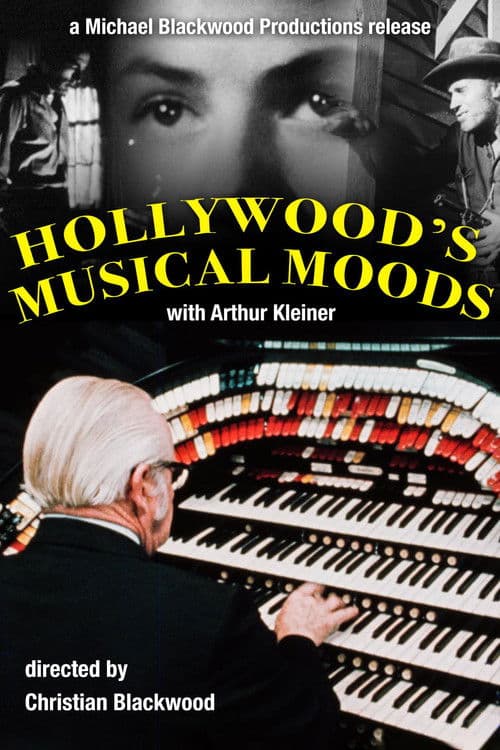
Hollywood's Musical Moods poster

Hollywood's Musical Moods

as Self
1976
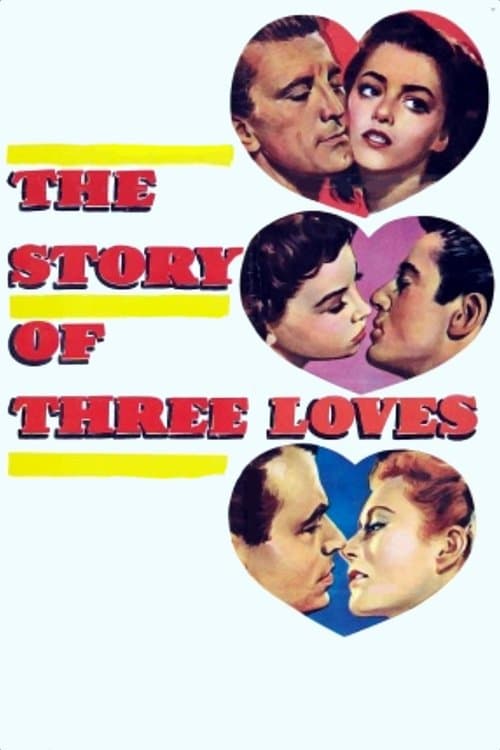
The Story of Three Loves poster

The Story of Three Loves

as Conductor
1953