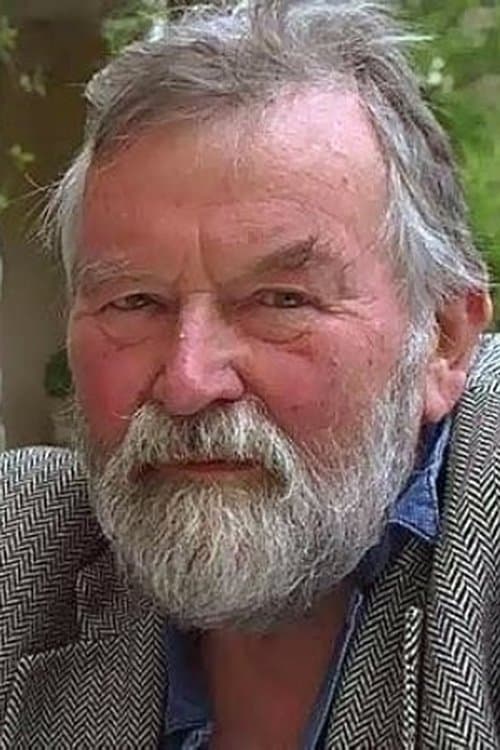
John Robert Fowles (31 March 1926 – 5 November 2005) was an English novelist of international renown, critically positioned between modernism and postmodernism. His work was influenced by Jean-Paul Sartre and Albert Camus, among others.
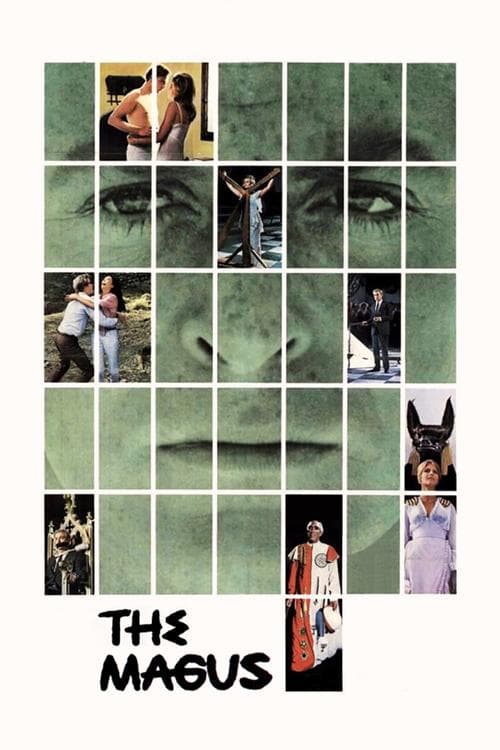
After leaving Oxford University, Fowles taught English at a school on the Greek island of Spetses, a sojourn that inspired The Magus (1965), an instant best-seller that was directly in tune with 1960s "hippy" anarchism and experimental philosophy. This was followed by The French Lieutenant's Woman (1969), a Victorian-era romance with a postmodern twist that was set in Lyme Regis, Dorset, where Fowles lived for much of his life. Later fictional works include The Ebony Tower (1974), Daniel Martin (1977), Mantissa (1982), and A Maggot (1985).
Fowles's books have been translated into many languages, and several have been adapted as films.
Fowles was born in Leigh-on-Sea in Essex, England, the only son and elder child (a sister, Hazel, was born fifteen years later) of Robert John Fowles and Gladys May, née Richards. His father had trained as a lawyer- "clerking and reading in a barrister's chambers"- but worked for the family business, tobacco importer Allen & Wright, as his father Reginald had been a partner in the company; at Reginald's death, Robert was obliged to run the firm as his brother had died in the Battle of Ypres and there were young dependent half-siblings to provide for from his father's second marriage. Gladys was daughter of John Richards, a draper, and his wife Elizabeth, who was in service. They came from Cornwall to London, where John became chief buyer for a department store, and gave their daughter a "comfortable upbringing in Chelsea", but they relocated to Westcliff-on-Sea in Essex on account of the healthier climate following the 1918 Spanish flu pandemic. On returning from the First World War in bad health, having served for three years as an officer in the Honourable Artillery Company, Robert Fowles met his future wife at a Westcliff-on-Sea tennis club.
During his childhood Fowles was attended by his mother and his cousin Peggy Fowles, who was 18 years his senior. He attended Alleyn Court Preparatory School, where a maternal uncle and aunt were teachers.
In 1939, he won a place at Bedford School, where he remained a pupil until 1944. He became head boy and was an athletic standout: a member of the rugby football third team, the fives first team, and captain of the cricket team, for which he was a bowler.
After leaving Bedford School, Fowles enrolled in a Naval Short Course at the University of Edinburgh and was prepared to receive a commission in the Royal Marines. He completed his training on 8 May 1945 and was then assigned to Okehampton Camp, Devon, for two years.
After completing his military service in 1947, Fowles entered New College, Oxford, where he studied both French and German, although he stopped studying German and concentrated on French for his BA. Fowles was undergoing a political transformation. Upon leaving the marines, he wrote, "I ... began to hate what I was becoming in life—a British Establishment young hopeful. I decided instead to become a sort of anarchist."
Source: Article "John Fowles" from Wikipedia in English, licensed under CC-BY-SA 3.0.