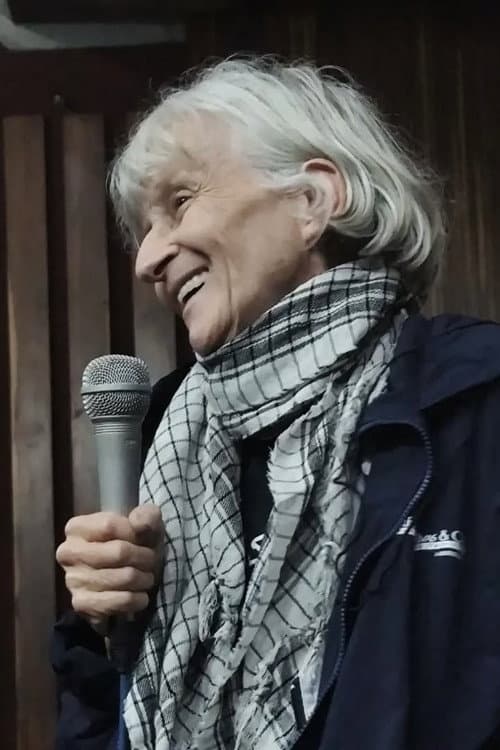
Liliane Blaser (born in Caracas on 23 August 1953) is a Venezuelan documentary filmmaker, anthropologist, sociologist, educator, and writer whose work has focused on the political and social history of Venezuela and Latin America. Coming from a family of Swiss and Sephardic Jewish heritage, she began making films as a teenager and became associated with Venezuela’s Super-8 film movement during the 1970s. After studying psychology at the Universidad Católica Andrés Bello and later sociology and anthropology at the Universidad Central de Venezuela, Blaser continued her film training in France, where she became involved with Palestinian solidarity movements and documented events in Lebanon following the Sabra and Shatila massacre. Throughout her career, she has produced documentaries on urban life, social struggles, political upheavals, and international conflicts. Her best-known works include Venezuela, February 27 (1990), about the Caracazo, 1992: El des-cubrimiento (1993), examining the events surrounding the 1992 coup attempts in Venezuela, and later films on Iraq, Honduras, and Palestine. She also co-founded the independent film and training collective Cotrain and has been active in promoting community-based cinema. Blaser received the Venezuelan National Film Prize in 2020 and the National History Prize in 2024, recognizing more than five decades of filmmaking dedicated to documenting social movements, popular struggles, and contemporary Venezuelan history.