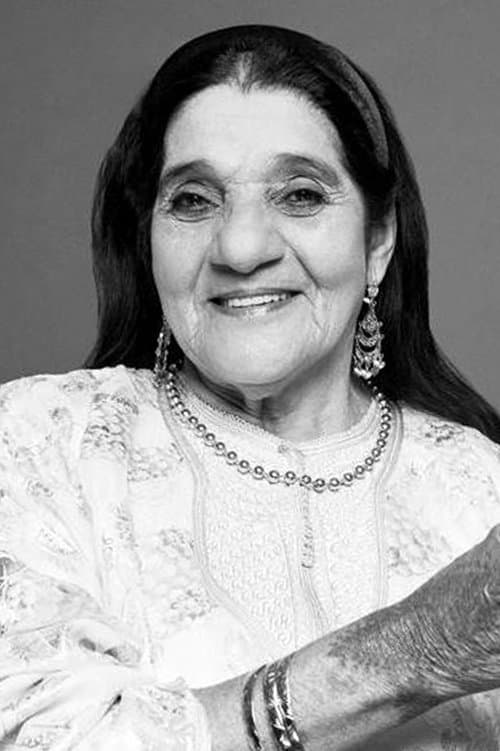
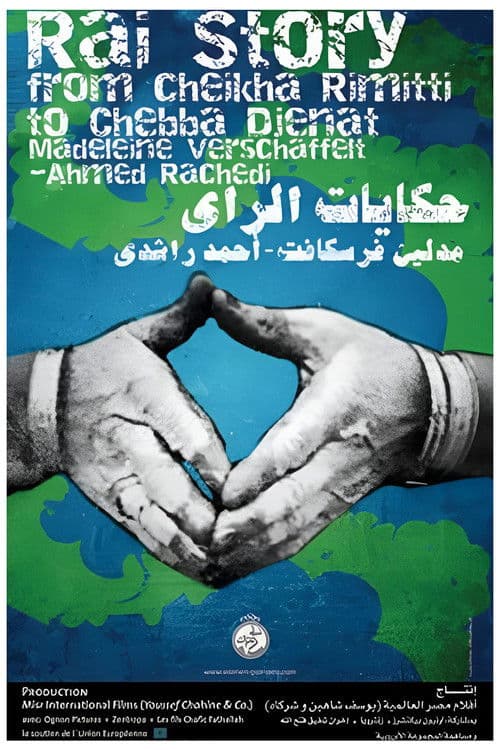
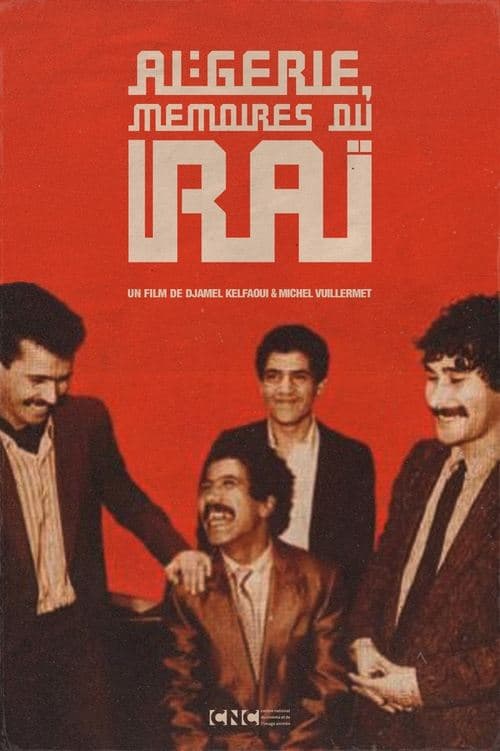
Cheikha Remitti (in arabic : شيخة ريميتي), or simply called Rimitti, whose real name is Sadia Bedief, born on May 8, 1923 in Tessala, near Sidi-Bel-Abbès, in Algeria, and died on May 15, 2006 in Paris 18e, is an Algerian musician and singer of raï. She was nicknamed the "Granny of Raï", of which she was the major female and feminist figure in the history of music in North Africa.
Cheikha Remitti was born in Algeria in Tessala (a town located near Sidi Bel-Abbès, in Oranie) on May 8, 1923. She is originally from Ammi Moussa, Wilaya of Relizane of the large Berber tribe Beni-Ouragh. Cheikha Rimitti was one of the first women to sing, like men, to a background of gasba flute and long galal drum. To this style, she added the raw language and rough, almost spoken style of the meddahates, who introduce teenage girls to the joys and pitfalls of love by singing for exclusively female assemblies. She was a singer considered the spiritual mother of raï and the mother of modern raï.
She composed more than 200 songs. For all raï musicians, she embodies a queen, "THE" great lady venerated by all the singers of the younger generation who see in her "the Mother of the genre", Rachid Taha will dedicate the song, "Rimitti" to her.
She was steeped in rural singing at a very young age. Orphaned, raised by "bosses" whom she left as a teenager to follow a troupe of nomadic musicians, the Hamdachis, the young Saïda experienced poverty and epidemics before launching into song in the 1940s, with the help of the musician Cheick Mohamed Ould Ennems, in Relizane, Oran and Algiers. After Independence, her songs earned her censorship from certain Algerian politicians. Rimitti provoked both the censoring government and strict Islam. Singing about love, women, alcohol, tangled bodies, freedom, feminism... She earned herself a sulphurous reputation from her first success, Charrak Gatta in 1954. Its name would indeed come from the injunction "Remettre" (a tour): "rimitti", with the accent.
In 1971, she suffered a terrible car accident in Algeria, three of her musicians were killed and she fell into a coma. In 1976, she made the pilgrimage to Mecca, and stopped drinking alcohol and smoking, which had no impact on the themes of her songs. Cheikha Rimitti moved to Paris in 1978, where she hosted evenings in cafés, including the famous "Bedjaïa Club", until the Bobigny Festival in 1986, which launched the raï fashion in France. She gradually became the international ambassador of raï, while she could not stand all "these young cheats", as she herself said, and continued to expand her audience.
She gave a concert in 1994 at the Institut du monde arabe as well as in the major world capitals. The album Nouar (2000) will win the Grand Prix du disque of the Académie Charles-Cros.
Rimitti further widens his audience at the end of the 1990s by trying experiments, as in Sidi Mansour (1994) with Robert Fripp (of King Crimson), Flea, the bassist of the Red Hot Chili Peppers and East Bay Ray (of the Dead Kennedys), or in the more electronic N'ta Goudami (2005).