The Couch Critic Logo
The Couch CriticCouch Critic
TrendingMoviesTV ShowsListsReviewsWhat to Watch
LogoThe Couch Critic

Menu

TrendingMoviesTV ShowsListsReviewsWhat to Watch

© 2026 The Couch Critic

The Couch Critic Logo

The Couch Critic

Your go-to destination for honest movie and TV show reviews from a passionate community of critics. Join the conversation today.

X

Explore

  • Trending
  • Movies
  • TV Shows
  • Reviews
  • Lists
  • Games
  • About Us

Categories

  • Popular Movies
  • Trending Now
  • Upcoming
  • Airing Today
  • Movie Genres
  • TV Genres

Community

  • Guides
  • What to Watch

Legal

  • Privacy Policy
  • Terms of Service
  • Cookie Policy
  • RSS Feed
© 2026 The Couch Critic.•Built by Hayden Thorn
Cookie Settings
The Movie Database

This application uses TMDB and the TMDB APIs but is not endorsed, certified, or otherwise approved by TMDB.

Home/People/Jyotish Bandyopadhyay
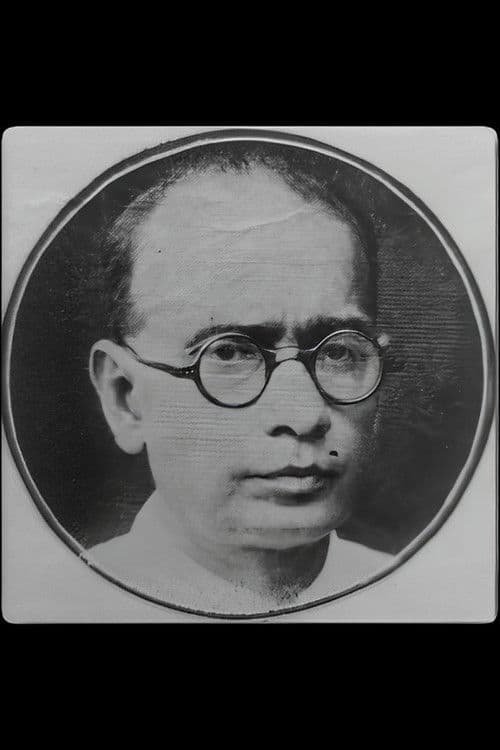
Jyotish Bandyopadhyay profile photo
Place of Birth
Bihar, Bengal Presidency, British India (now India)
Known For
Directing
Gender
Male

Career Highlights

0
Movies
0
TV Shows
7
Directed
Also Known As
Jyotish Bannerjee
জ্যোতিষ বন্দ্যোপাধ্যায়
জ্যোতিষ ব্যানার্জী
IMDb Profile

Jyotish Bandyopadhyay

Directing

Biography
Bengali and Hindi director born in Bihar. He started as a typist at Madan Theatres; and later became the studio’s main film-maker in the silent era. Part of a film-making team with Priyanath Ganguly, Jyotish Mukherjee, Amar Choudhury, B.J. Rajhans, Abdur Rehman Kabuli (later star of Indra Sabha, 1932) and cameramen Jyotish Sarkar and T. Marconi. Initially worked with Eugenio De Liguoro (Dhruva Charitra, Nala Damayanti, both 1921; Ramayana, 1922) and C. Legrand (Vishnu Avatar, 1921). Early films mainly adapted stage spectaculars from the Elphinstone and Corinthian companies. In his late 20s Silents, he adapted several novels by Bankimchandra Chattopadhyay owned by Madan Theatres. Also filmed are plays by Girish Ghosh and Rabindra Mohan Moitra and a novel by Romesh Chandra Dutt (Madhabi Kankan). These were early examples of the Bengali literary film genre later incarnated into a formula by New Theatres. Went on to make one of the most successful stage adaptations in the Bengali cinema, Manmoyee Girls’ School. Worked at Madan until 1933, then freelanced, notably at Radha Films, at Madan’s successors Bharatlaxmi Pics, and the Indrapuri Studio.

No movies found