The Couch Critic Logo
The Couch CriticCouch Critic
TrendingMoviesTV ShowsListsReviewsWhat to Watch
LogoThe Couch Critic

Menu

TrendingMoviesTV ShowsListsReviewsWhat to Watch

© 2026 The Couch Critic

The Couch Critic Logo

The Couch Critic

Your go-to destination for honest movie and TV show reviews from a passionate community of critics. Join the conversation today.

X

Explore

  • Trending
  • Movies
  • TV Shows
  • Reviews
  • Lists
  • Games
  • About Us

Categories

  • Popular Movies
  • Trending Now
  • Upcoming
  • Airing Today
  • Movie Genres
  • TV Genres

Community

  • Guides
  • What to Watch

Legal

  • Privacy Policy
  • Terms of Service
  • Cookie Policy
  • RSS Feed
© 2026 The Couch Critic.•Built by Hayden Thorn
Cookie Settings
The Movie Database

This application uses TMDB and the TMDB APIs but is not endorsed, certified, or otherwise approved by TMDB.

Home/People/Edith Kiel
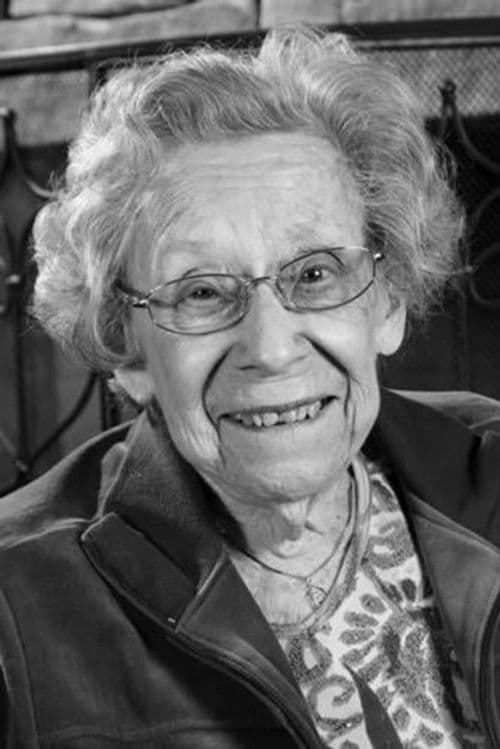
Edith Kiel profile photo
Born
Jun 30, 1904Died: Sep 12, 1993
Lived 89 years
Place of Birth
Berlin, Germany
Known For
Directing
Gender
Female

Career Highlights

1
Movies
0
TV Shows
16
Directed
IMDb Profile

Edith Kiel

Directing

Biography
Edith Kiel (1904–1993) was a German‑Belgian screenwriter, film editor, director, and producer who played a key role in the early development of Flemish sound cinema. She was born on 30 June 1904 in Berlin and died on 12 September 1993 in Belgium. She began her career at the German film studio UFA before meeting filmmaker Jan Vanderheyden, with whom she formed both a lifelong partnership and one of the most influential creative collaborations in early Flemish cinema. She wrote the screenplay for De Witte (1934)—the first major Flemish sound film—and also directed it, though she did not receive formal credit at the time. Throughout the 1930s and 1940s, Kiel shaped many of the popular Flemish folk films associated with the “Jan Vanderheyden film” tradition. She contributed to screenwriting, directing, editing, and production, often remaining uncredited due to prejudice against women, foreigners, and unmarried partners in key creative roles. After World War II, she continued working in Belgium and later in Germany, eventually gaining more public recognition—especially during the 1950s through the Antwerpse Filmonderneming (AFO), where she directed and wrote several films under her own name.
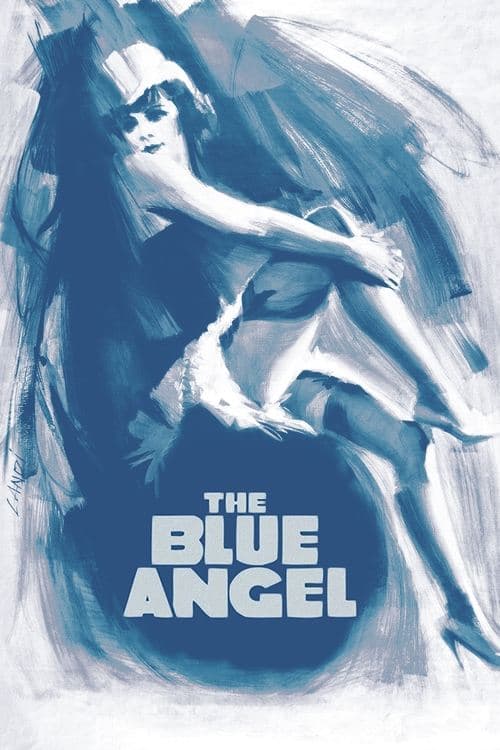
The Blue Angel poster

The Blue Angel

as Prostitue (uncredited)
1930