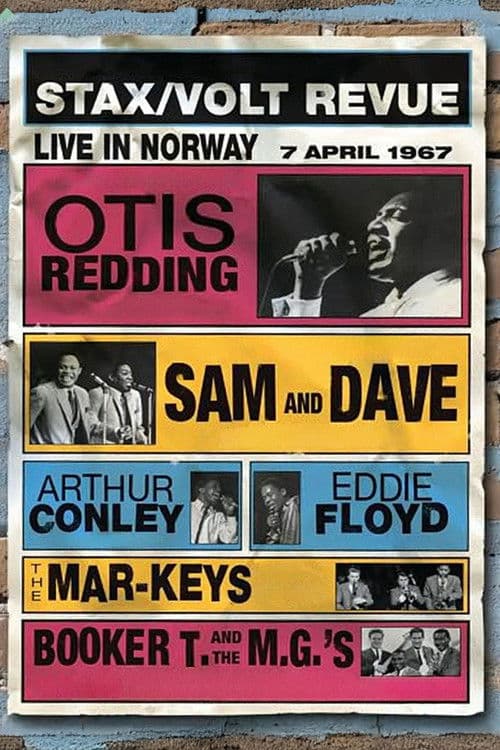
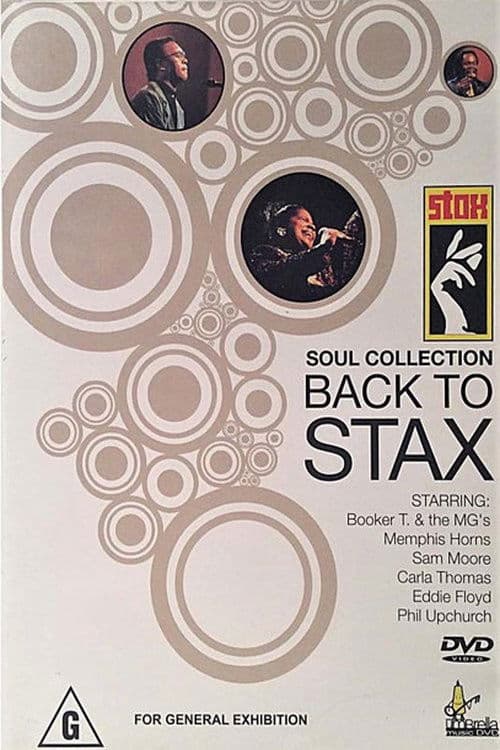
Eddie Lee Floyd (born June 25, 1937) is an American R&B and soul singer and songwriter, best known for his work on the Stax record label in the 1960s and 1970s, including the No. 1 R&B hit song "Knock on Wood".
At age 16, Floyd founded The Falcons, which also featured Mack Rice. They were forerunners to future Detroit vocal groups such as The Temptations and The Four Tops. Their most successful songs included "You're So Fine" and later, when Wilson Pickett was recruited into the group as the lead singer, "I Found a Love." Pickett then embarked on a solo career, and The Falcons disbanded.
Floyd signed a contract with the Memphis-based Stax Records as a songwriter in 1965. He wrote a hit song, "Comfort Me," recorded by Carla Thomas. He then teamed with Stax's guitarist Steve Cropper to write songs for Wilson Pickett, now signed to Atlantic Records. Atlantic distributed Stax and Jerry Wexler brought Pickett from New York City to work with Booker T. & the MGs. The Pickett sessions were successful, yielding several pop and R&B hits, including the Floyd co-written "Ninety-Nine and a Half (Won't Do)" and "634-5789 (Soulsville, U.S.A.).”
In 1966, Floyd recorded a song initially written for Otis Redding. Wexler convinced Stax president Jim Stewart to release Floyd's version. The Steve Cropper-Eddie Floyd "Knock on Wood" launched Floyd's solo career, and has been covered by over a hundred different artists from David Bowie to Count Basie. Eventually, Redding would cut an R&B hit version of the song in 1967 as a duet with Carla Thomas. It became a disco hit for Amii Stewart in 1979. Floyd was one of Stax's most consistent and versatile artists. He scored several more hits on his own, including "I've Never Found a Girl (To Love Me Like You Do)" and "Raise Your Hand,” which was covered by both Janis Joplin and Bruce Springsteen.
The song "Big Bird" (featuring Booker T. Jones on organ and guitar, Al Jackson, Jr. on drums, and Donald "Duck" Dunn on bass) was written while Floyd waited in a London airport for a plane back to the United States for Otis Redding's funeral.
Floyd's career did not keep him from being one of the label's most productive writers. Almost every Stax artist recorded Floyd material, often co-written with either Cropper or Jones, including Sam & Dave ("You Don't Know What You Mean to Me"), Rufus Thomas ("The Breakdown"), Otis Redding ("I Love You More Than Words Can Say"), and Johnnie Taylor's "Just the One (I've Been Looking For).” The latter played during the opening credits of director Harold Ramis's film Bedazzled.