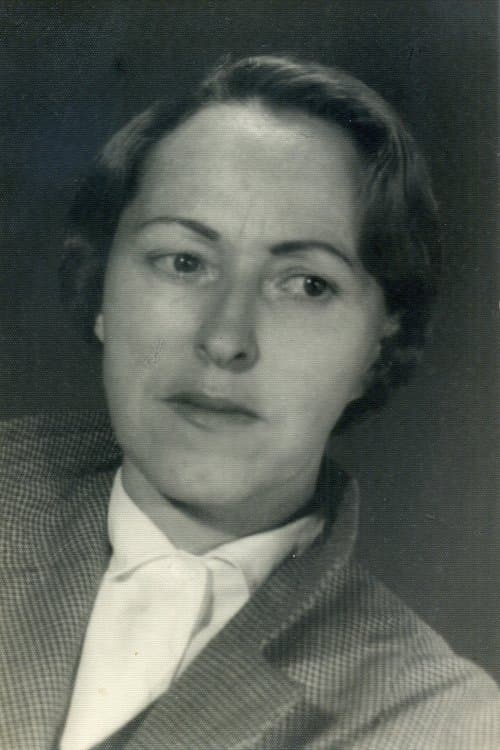
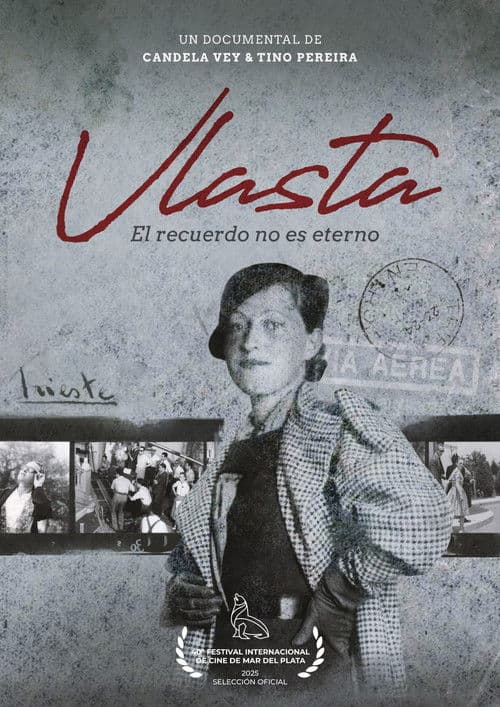
Vlasta Giulia Lah Rocchi, known professionally as Vlasta Lah, was a filmmaker born in the city of Pula, modern day Croatia; then part of Austria-Hungary, on 13 January 1913. She later emigrated to Buenos Aires, Argentina with her husband and fellow filmmaker Catrano Catrani in 1938 and they pursued a career on the Golden Age of the Argentinian film industry. She died in Buenos Aires on 12 July 1978 at the age of 65.
Vlasta Lah was the first woman to direct a sound feature film in Argentina and later the only woman filmmaker working in Latin America during the 1960s. Vlasta Lah directed two feature films, she made her feature film directorial debut in 1960 with The Furies, followed a couple years later by The Models, which was released in 1963.
Lah trained in cinematography, along with her sister Neva Lah, at the film school of the Accademia Nazionale di Santa Cecilia in Italy. After arriving in Buenos Aires in 1938, she joined the production company Estudios San Miguel and began working as an assistant director for various projects trough the 1940s.
Starting on September 1953 she directed the Superior School of Cinematographic Art and held this position until the period of the so-called Liberation Revolution, the military coup that overthrew President Perón in September 1955 and established a military dictatorship in Argentina from 1955 to 1958.