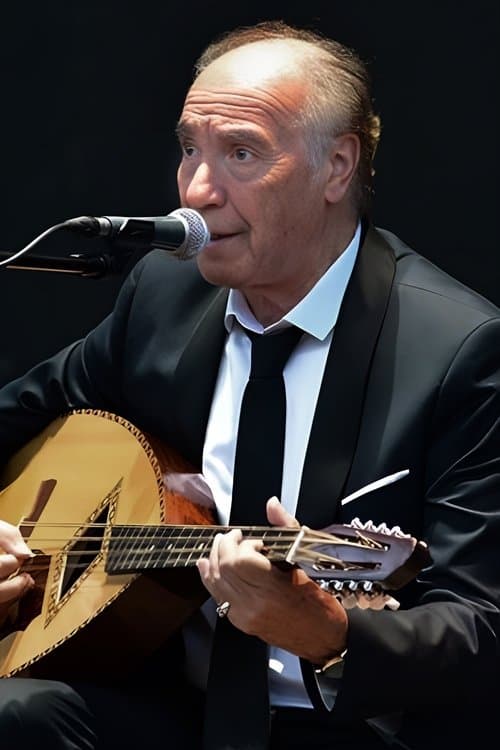
Abdelkader Chaou (Arabic: عبد القادر شاعو) is an Algerian singer, interpreter of Chaâbi. He was born on November 10, 1941 in the Casbah of Algiers, in a family from Azzeffoun wilaya of Tizi Ouzou.
As a child, Abdelkader Chaou was intoxicated by the wafts of music escaping from the Moorish cafes of the Casbah of Algiers. Initially popular with dockers and fishermen, the song Chaâbi - literally "popular" - springing from the bowels of the lower Casbah of Algiers at the beginning of the twentieth century, has since widened its audience. Its founding master is called El Hadj M'hamed El Anka, then others will come including Abdelkader Chaou, the ultimate living legend of this major art, from this lineage.
Abdelkader Chaou studied at the Algiers conservatory. A virtuoso on the mandola, he modernized the chaâbi, introduced instruments such as the mandola, while remodeling the style by making it more lively and attractive. He made his debut on Radio-Crochet, a show by Djillali Haddad, then Chaou recorded his first song in 1967, Ya Dhou A Yani, on Radio Alger directed by Mustapha Kechkoul. Two years later, he made his first recordings, accompanied on the piano by Mustapha Skandrani, then his first song, Ya Dhou Äyani, still on Radio-Alger. Encouraged by his friends and relatives, he enrolled in 1967 at the Algiers conservatory, directed at the time by the master El Hadj M'hamed El Anka, where he learned the subtleties of the Chaâbi repertoire.
In 1969, he returned to the Algerian National Theater (TNA) with Mohamed Lamari as an employee, participating, among other things, in a gala given in Shiraz (Iran), he then retired from the TNA.
Thanks to the Mahboub Bati school of which he was an emeritus student, he made a dazzling breakthrough in the 1970s. and two songs: Ghazali Goudami and Lilah Wan Cheftou Koudami will constitute his first professional recordings.
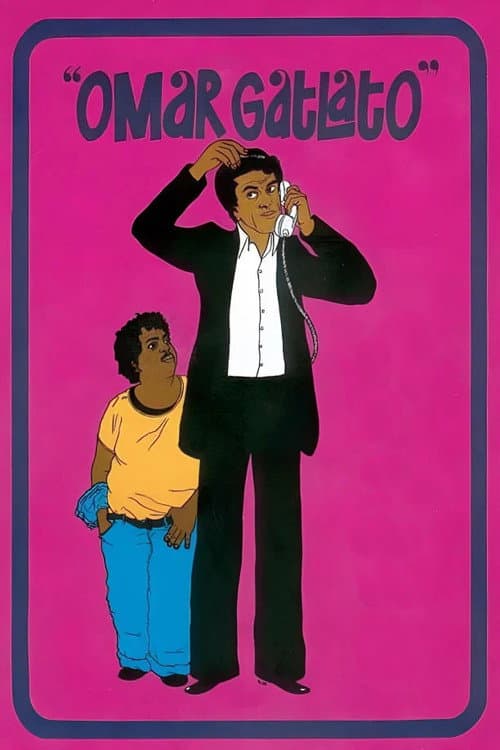
The big success came in 1973 with Djah Rebi Ya Djirani which made him known to the general public. Subsequently, it was fame with Mazal Khatmi, Mériem Mériem, Ya Laâdra Win Moualik, song by Mohamed Mahboub Stambouli dedicated by Omar Gatlato to the film by Merzak Allouache. Modernizing Chaâbi, some took her to task such as Mahboub Bati, Mahboub Stambouli, Skandrani, others accused her at the time of having distorted the genre. His revised Chaâbi, lively and attractive, goes from sad melody to cheerful melody, borrowed from Arab-Andalusian music. He has often been criticized for his tendencies towards “light” tunes, but we forget that this elegant artist, virtuoso of the mandola, remains, deep down, closer than we think to the sources which watered the Chaâbi.
In 2024, Abdelkader Chaou, living heritage of Chaâbi, who lives in Bouzareah in the wilaya of Algiers, continues with his cheerful or melancholic songs, his festive atmospheres with Iberian hints which speak directly to the heart, to perform on stage at the international. “My art is the translation, in verse and notes, of people’s experiences.”