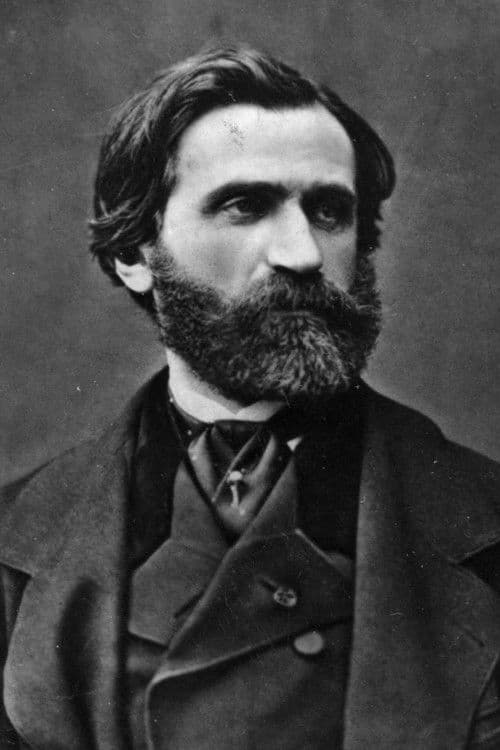
Giuseppe Fortunino Francesco Verdi (10 October 1813 – 27 January 1901) was an Italian composer of operas.
Verdi was born near Busseto to a provincial family of moderate means, and developed a musical education with the help of a local patron. Verdi came to dominate the Italian opera scene after the era of Bellini, Donizetti and Rossini, whose works significantly influenced him, becoming one of the pre-eminent opera composers in history.
In his early operas Verdi demonstrated a sympathy with the Risorgimento movement which sought the unification of Italy. He also participated briefly as an elected politician. The chorus "Va, pensiero" from his early opera Nabucco (1842), and similar choruses in later operas, were much in the spirit of the unification movement, and the composer himself became esteemed as a representative of these ideals. An intensely private person, Verdi however did not seek to ingratiate himself with popular movements and as he became professionally successful was able to reduce his operatic workload and sought to establish himself as a landowner in his native region. He surprised the musical world by returning, after his success with the opera Aida (1871), with three late masterpieces: his Requiem (1874), and the operas Otello (1887) and Falstaff (1893).
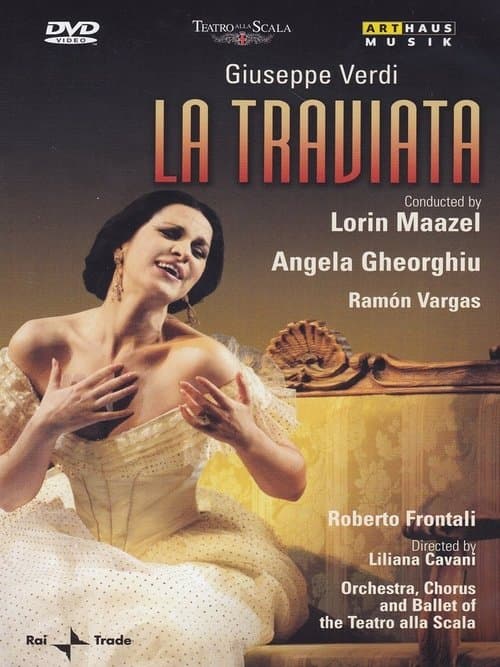
His operas remain extremely popular, especially the three peaks of his 'middle period': Rigoletto, Il trovatore and La traviata, and the bicentenary of his birth in 2013 was widely celebrated in broadcasts and performances.