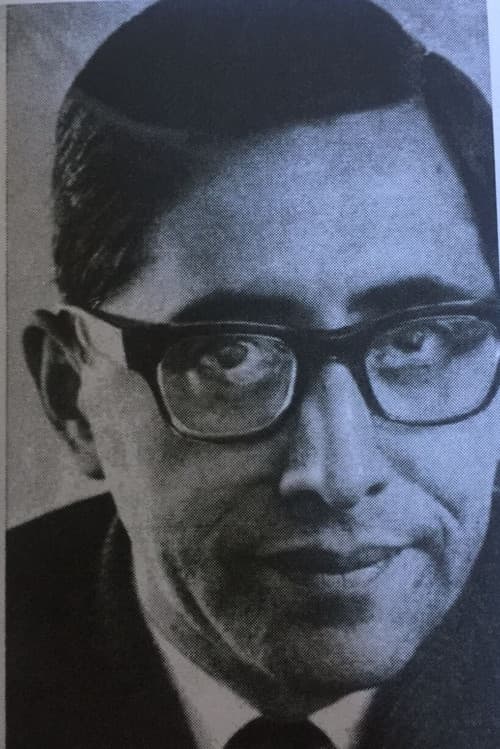
Sergio Bravo Ramos (Los Andes, May 13, 1927) was a Chilean documentary filmmaker and film and photography director.
He studied architecture at the University of Chile between 1952 and 1956, and then film studies at the Film Institute of the Catholic University. In 1955 he became a founding member of the Cine Club Universitario de la Federación de Estudiantes de Chile. On July 8, 1957 he founded, along with filmmaker Pedro Chaskel, among others, the Experimental Film Center of the University of Chile, of which he was also the first director.
His first documentary short film Imágenes Antárticas was made in 1956. The following year, in 1957, he published Mimbre, which featured the music of Violeta Parra and was awarded the "Diploma de Honor del Concurso de Filme de Arte UNESCO-Canada". In this work of only 9 minutes, it reflects the daily life of a craftsman making basketry pieces. He repeats the same simple style and the musical accompaniment of Violeta Parra in 1959 with Trilla, this time showing traditional peasant work, and also with Casamiento de Negros, reflecting the work of potters from the town of Quinchamalí. The latter was also the first time Violeta was in front of the camera, and with which Bravo won the prize of the "Círculo de Críticos de Arte de Santiago" (Santiago Art Critics Circle).
In Láminas de Almahue, published in 1962, she documents the physical work and craftsmanship of the traditional construction of cartwheels, accompanied by the poetry of Efraín Barquero. This experimental work of social criticism is considered her masterpiece.
In 1962 he restored the classic Chilean silent film El húsar de la muerte. That same year he participated in the documentary A Valparaíso as assistant director to Joris Ivens.
In the early 1970s, due to the military dictatorship, he returned to his profession as an architect, although without completely abandoning his work as a filmmaker. In 1979, in Chiloé, he began the clandestine recording of the feature film No eran nadie... on the theme of Human Rights, but in 1983, with the work incomplete, he went into exile in Paris, where he edited and completed it, presenting it at various festivals such as Cannes, Berlin, Locarno, Moscow and Los Angeles.
On his return to Chile in 1999 he made the Mapuche-themed documentary Aquel ngüillatún; a color documentary in which he published the only images he himself recorded of the 1960 Valdivia tsunami.
In 2000 he organized and directed the first Mapuche Film Festival. He was awarded the first "Pedro Sienna 2006 Lifetime Achievement Award" in recognition of his career.
In 2007 he made his last documentary Pan Minero.