The Couch Critic Logo
The Couch CriticCouch Critic
TrendingMoviesTV ShowsListsReviewsWhat to Watch
LogoThe Couch Critic

Menu

TrendingMoviesTV ShowsListsReviewsWhat to Watch

© 2026 The Couch Critic

The Couch Critic Logo

The Couch Critic

Your go-to destination for honest movie and TV show reviews from a passionate community of critics. Join the conversation today.

X

Explore

  • Trending
  • Movies
  • TV Shows
  • Reviews
  • Lists
  • Games
  • About Us

Categories

  • Popular Movies
  • Trending Now
  • Upcoming
  • Airing Today
  • Movie Genres
  • TV Genres

Community

  • Guides
  • What to Watch

Legal

  • Privacy Policy
  • Terms of Service
  • Cookie Policy
  • RSS Feed
© 2026 The Couch Critic.•Built by Hayden Thorn
Cookie Settings
The Movie Database

This application uses TMDB and the TMDB APIs but is not endorsed, certified, or otherwise approved by TMDB.

Home/People/Akio Jissoji
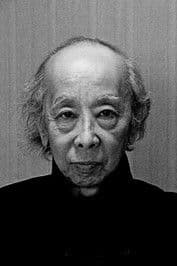
Akio Jissoji profile photo
Born
Mar 29, 1937Died: Nov 29, 2006
Lived 69 years
Place of Birth
Tokyo, Tokyo, Japan
Known For
Directing
Gender
Male

Career Highlights

3
Movies
0
TV Shows
42
Directed
Also Known As
Akio Jissōji
IMDb Profile

Akio Jissoji

Directing

Biography
Akio Jissoji was a Japanese television and film director best known outside Japan for the 1960s TV series Ultraman and Ultra Seven, as well as for his auteur erotic ATG-produced Buddhist trilogy Mujō (無常), Mandala (曼陀羅), and Uta (哥). He was also known for his film adaptations of Japanese horror author Rampo Edogawa. Jissoji possessed a very distinctive visual style that was notable even in Japanese cinema which is known internationally for its visual style. Every project he directed, from children's action shows to the most disturbing adult films had an uncompromising approach to cinematic story telling. His episodes of the Ultraman TV shows are unique and quite unusual for children's television. His career is also unusual in that he went back and forth from children's television to film projects that were sexually provocative in some way or another. It is perhaps this aspect of his work that has prevented wider distribution of his films. Sadomasochistic and non-consensual sexual practices are featured in many of his film works with women receiving the brunt of the abuse. Another recurring theme was to pull the camera back and reveal the set his actors were working on.
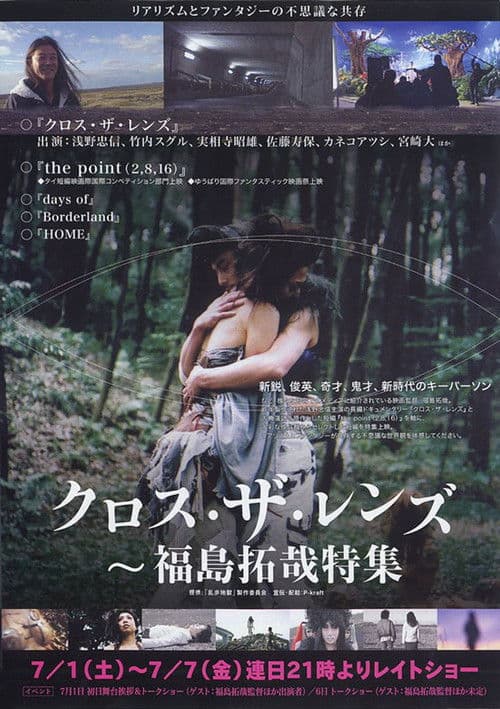
Cross the Lens poster

Cross the Lens

as Self
2006
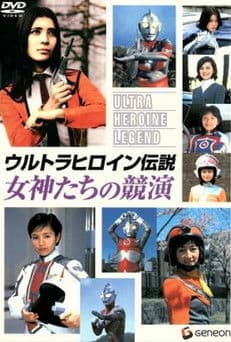
Ultra Heroine Legend: Contest of Goddesses poster

Ultra Heroine Legend: Contest of Goddesses

as Self
2005
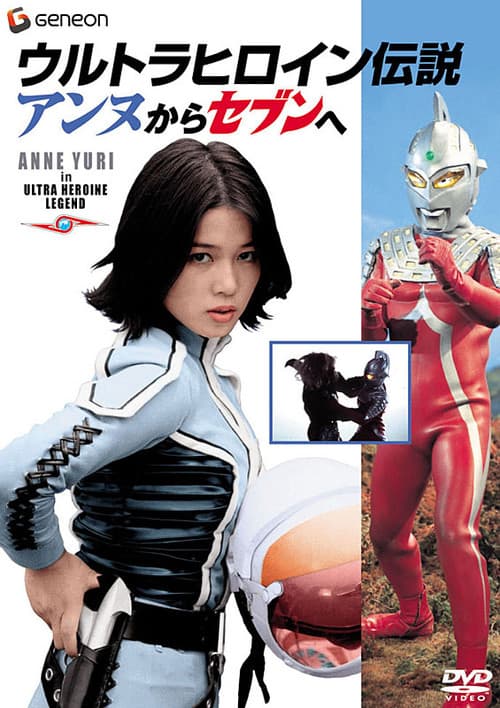
Ultra Heroine Legend: From Anne to Seven poster

Ultra Heroine Legend: From Anne to Seven

as Self
2004