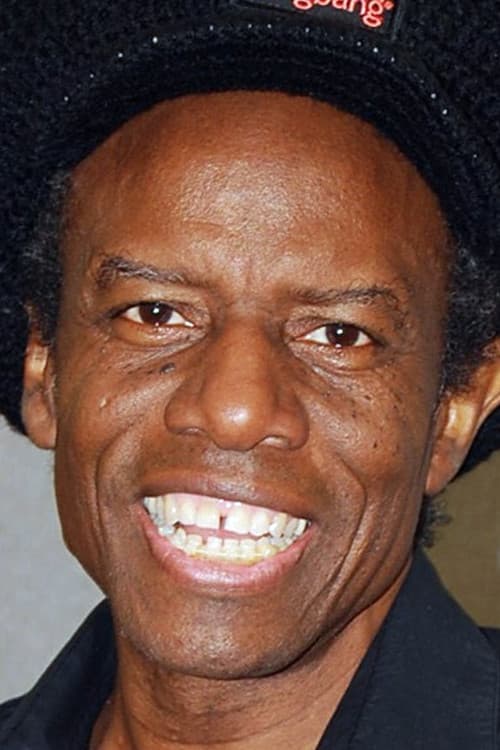
Edmond Montague Grant (born 5 March 1948) is a Guyanese-British singer, songwriter and multi-instrumentalist, known for his genre-blending sound; his music has blended elements of pop, British rock, soul, funk, reggae, electronic music, African polyrhythms, and Latin music genres such as samba, among many others. In addition to this, he also helped to pioneer the genre of "Ringbang". He was a founding member of the Equals, one of the United Kingdom's first racially-mixed pop groups who are best remembered for their million-selling UK chart-topper, the Grant-penned "Baby, Come Back".
His subsequent solo career included the 1982 song "I Don't Wanna Dance", plus the platinum 1983 single "Electric Avenue", which is his biggest international hit. He earned a Grammy Award nomination for the song. He is also well known for the anti-apartheid 1988 song, "Gimme Hope Jo'anna".
Grant was born in Plaisance, British Guiana (now Guyana), later moving to Linden. His father, Patrick, was a trumpeter who played in Nello and the Luckies. While he was at school, his parents lived and worked in the United Kingdom, sending back money for his education. In 1960, he emigrated to join his parents in London. He lived in Kentish Town and went to school at the Acland Burghley Secondary Modern at Tufnell Park, where he learned to read and write music. He became a big fan of Chuck Berry, and after seeing him play at the Finsbury Park Astoria decided on a career in music.
In 1965, Grant formed the Equals, playing guitar and singing background vocals, and the band had two hit albums and a minor hit with the single "I Get So Excited" before having a number one hit in 1968 with his song "Baby Come Back". The tune also topped the UK Singles Chart in 1994, when covered by Pato Banton featuring Robin and Ali Campbell of the reggae group UB40. The Equals had five further top 40 hits in the UK up to the end of 1970. The Baby Come Back album featured a song by Grant titled "Police on My Back," which was recorded by the Clash for their 1980 album Sandinista!. Willie Nile released his version of "Police on My Back" on his Streets of New York CD. The Equals' song "Green Light" co-written by Grant from their 1968 album Supreme, was recorded by the Detroit Cobras, for their 2007 album, Tied & True.
In this period he also worked as a songwriter and producer for other artists, including the Pyramids (producing their debut single "Train Tour to Rainbow City") and Prince Buster, for whom he wrote "Rough Rider", and started the Torpedo record label, releasing British-made reggae singles.
On 1 January 1971, Grant suffered a heart attack and collapsed lung, leading to his departure from the Equals to concentrate on production, opening his own Coach House Studios in the grounds of his Stamford Hill home in 1972, and starting Ice Records in 1974, initially distributed by Pye Records and later by Virgin Records. He produced the Pioneers' 1976 album Feel the Rhythm, as well as early recordings by his younger brother Rudy, working under the name the Mexicano. During this time he also branched out of music, learning to tap dance, and subsequently trying his hand at acting at the behest of fellow Guyanese immigrant, actor Norman Beaton. ...
Source: Article "Eddy Grant" from Wikipedia in English, licensed under CC-BY-SA 3.0.