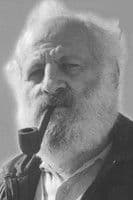
Mircea Săucan (1928–2003) was a visionary Romanian filmmaker and writer whose short yet fiercely poetic filmography challenged the boundaries of cinematic language under the shadow of political censorship. Born in Paris to Romanian Jewish parents and raised in Romania, he studied film at VGIK in Moscow, where he absorbed the language of montage and expressionist realism.
Throughout the 1960s and '70s, Săucan directed a handful of bold, unconventional films—"The Endless Shore" (1962), "Meanders" (1966), "Alert!" (1967), and "100 Lei" (1973)—each of them strikingly visual, introspective, and structurally daring. His lyrical style and refusal to conform to socialist realism earned him both admiration from peers and suppression from the state. Most of his work was either shelved, censored, or mutilated by authorities.
Exiled from filmmaking, he eventually emigrated to Israel, where he lived the rest of his life in quiet obscurity, working outside the film industry. In later years, his work was rediscovered and celebrated by cinephiles and critics alike for its human depth, visual poetry, and quiet rebellion.
Mircea Săucan remains one of Romanian cinema's most tragic and beautiful voices—an artist ahead of his time, silenced too soon, but whose films still whisper, ripple, and burn.