Nadia Samir (in Arabic: نادية سمير), real name Fatma Zodmi, is a French-Algerian announcer and actress, born in Chlef, Algeria on April 12, 1947 and died in Paris on May 2, 2011 from cancer.
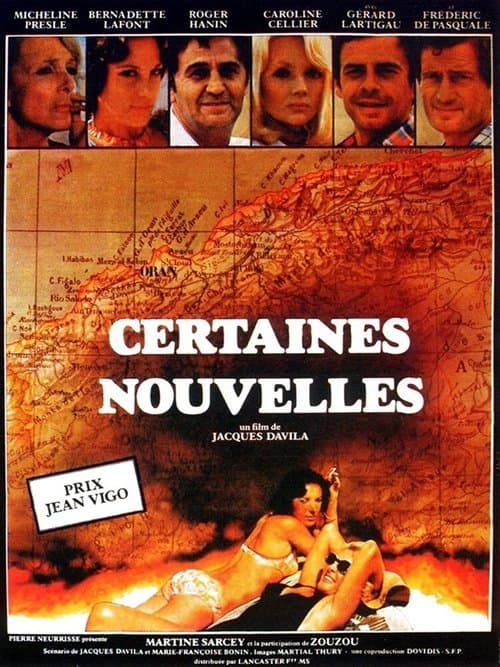
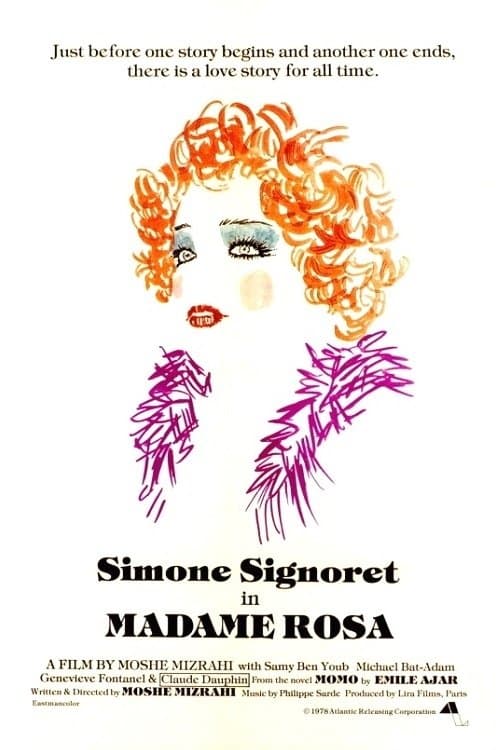
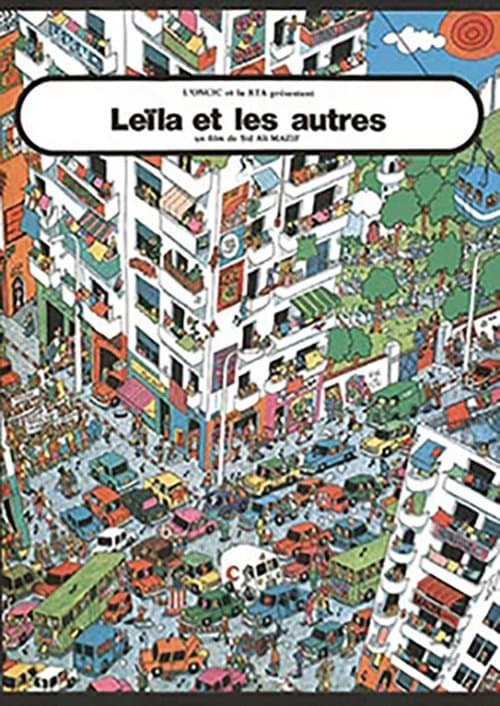
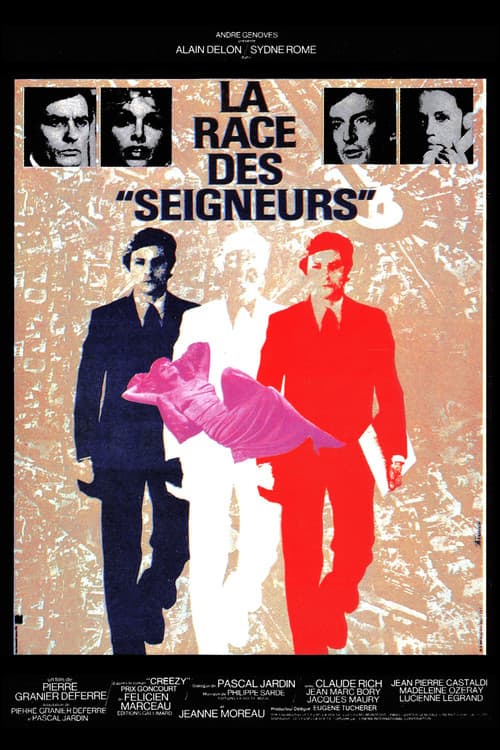
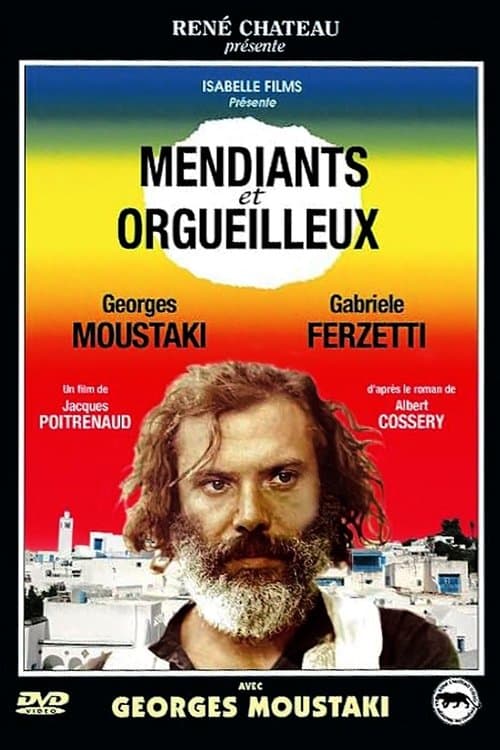
Nadia Samir, after her training as an actress, played in Mendiants et Orgueilleux (1970) by Jacques Poitrenaud with Georges Moustaki. She then had small roles in cinema, notably opposite Alain Delon in La Race des Seigneurs (1973) by Pierre Granier-Deferre, Simone Signoret in La Vie Devant Soi (1977) by Moshé Mizrahi or Micheline Presle in Quelques Nouvelles (1977) by Jacques Davila, as well as in TV films or soap operas. Algerian director Sid Ali Mazif offered her the lead role in Leïla et les Autres (1977), which evokes the emancipation of women in the Maghreb.
She gave birth to a daughter named Roxane in 1984.
Nadia Samir became a presenter on TF1 for seven years, from 1985 to 1992, alongside Il y était Évelyne Dhéliat, Denise Fabre, Fabienne Égal. More than just a cathode-ray pass, she was above all the first presenter of Maghreb origin to appear on TF1 in the 80s, before their definitive disappearance in 1992.
"Nadia Samir was the first Franco-Maghreb presenter in a French audio-visual landscape that had until then been monochrome. Star announcer of TF1, Nadia Samir has marked our collective unconscious, so much has her face been imprinted during these long years in our imagination, thus giving a face to diversity, expected and hoped for by millions of French people. In her own way, she has represented another image of the open, modern and committed Maghrebi woman far from the stereotypes in which immigrant women have too often been locked up. " - Fadila Mehal, President and Founder of Marianne de la diversité.
After these seven years as an announcer, for the small screen, she returned to theater and cinema. She plays the main roles in the series Sixième Gauche and Fruits et Légumes, both broadcast on France 3 in the 1990s. She will also play, among others, in the series Navarro (TF1), Studio Sud (M6), Sixième Gauche (FR3).
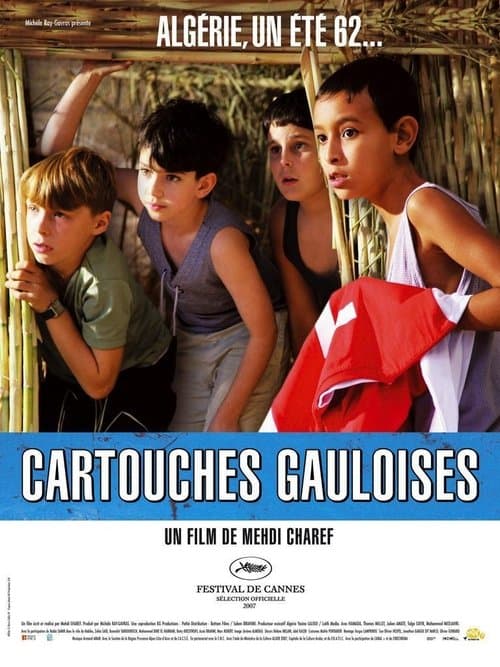
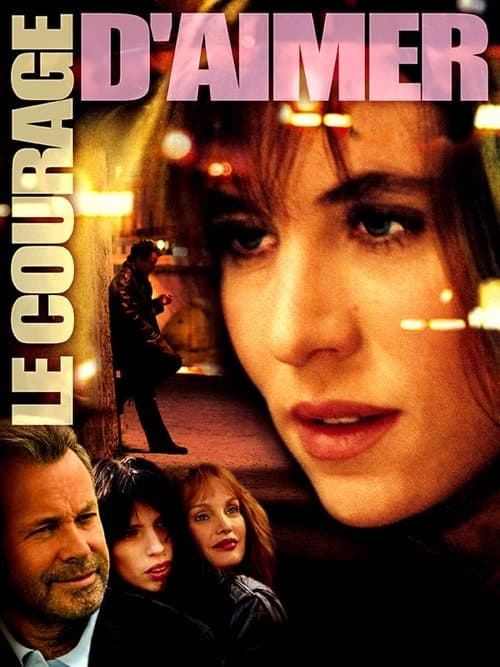
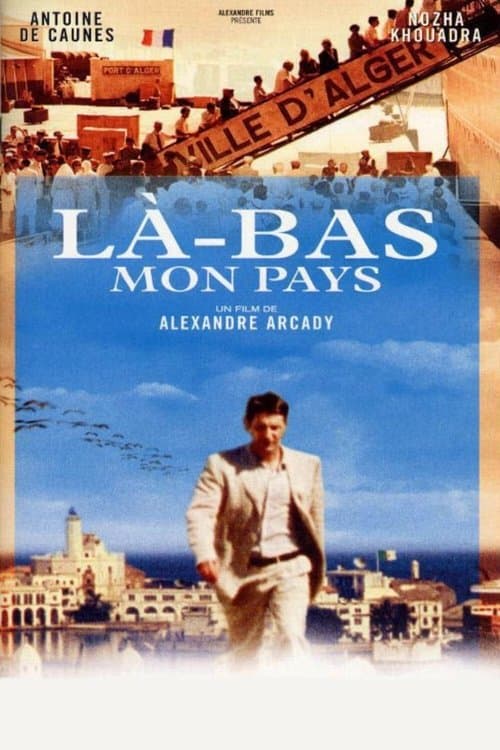
She then starred in several films including Bab El-Oued City by Merzak Allouache (1993), Là-Bas... Mon Pays by Alexandre Arcady (1999), Le Genre humain: Les Parisiens by Claude Lelouch (2003), Le Courage d'Aimer (2004) by Claude Lelouch, Cartouches Gauloises by Mehdi Charef (2006) presented out of competition at the Cannes Film Festival, where the director Mehdi Charef evokes his childhood memories during the last spring before Algerian independence. This performance remains her last appearance on screen.10
Nadia Samir was also a convinced feminist who had joined the Marianne de la diversité since its creation in 2005. For Fadila Mehal, President and Founder of the Marianne de la diversité, "She humbly wished that her career would serve as an example to all those who doubt and question the place they are given in French society because of their origin. In her own way, she showed that for her, her diversity was a gift for France and not a burden."
She died in Paris on May 2, 2011 from cancer.