The Couch Critic Logo
The Couch CriticCouch Critic
TrendingMoviesTV ShowsListsReviewsWhat to Watch
LogoThe Couch Critic

Menu

TrendingMoviesTV ShowsListsReviewsWhat to Watch

© 2026 The Couch Critic

The Couch Critic Logo

The Couch Critic

Your go-to destination for honest movie and TV show reviews from a passionate community of critics. Join the conversation today.

X

Explore

  • Trending
  • Movies
  • TV Shows
  • Reviews
  • Lists
  • Games
  • About Us

Categories

  • Popular Movies
  • Trending Now
  • Upcoming
  • Airing Today
  • Movie Genres
  • TV Genres

Community

  • Guides
  • What to Watch

Legal

  • Privacy Policy
  • Terms of Service
  • Cookie Policy
  • RSS Feed
© 2026 The Couch Critic.•Built by Hayden Thorn
Cookie Settings
The Movie Database

This application uses TMDB and the TMDB APIs but is not endorsed, certified, or otherwise approved by TMDB.

Home/People/Georges Neveux
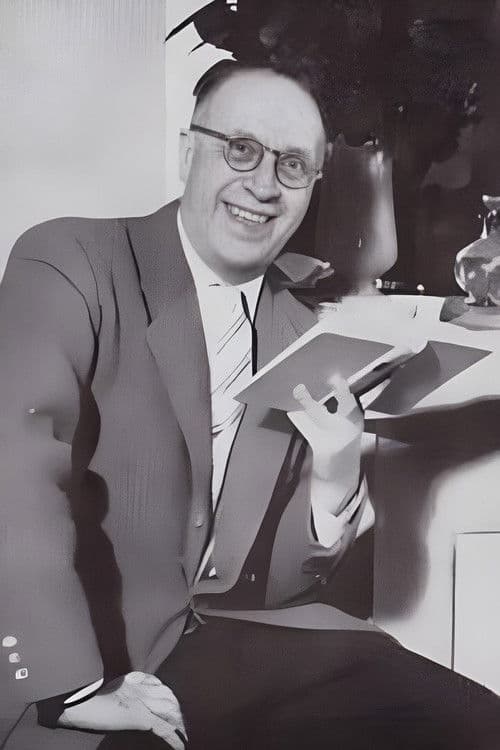
Georges Neveux profile photo
Born
Aug 26, 1900Died: Aug 27, 1982
Lived 82 years
Place of Birth
Poltava, Russian Empire
Known For
Writing
Gender
Male

Career Highlights

0
Movies
0
TV Shows
1
Directed
IMDb Profile

Georges Neveux

Writing

Biography
From Wikipedia Georges Neveux (1900-1982) was a French dramatist and poet. Neveux's first notable work was the play Juliette ou la clé des songes (Juliet or the key to dreams), written in 1927 and produced in 1930. It became the basis of Theodor Schaefer's melodrama Julie aneb Snar (Julie or the Book of Dreams) for piano, jazz instruments, and small orchestra, from 1934, Bohuslav Martinů's opera, Julietta, from 1937, and for the 1951 film Juliette, or Key of Dreams. During the 1930s, when he was general secretary of the Théâtre des Champs-Élysées, he wrote little. In 1943 appeared Le Voyage de Thésée (The Voyage of Theseus), which was also later adapted by Martinů as an opera (Ariane, 1958). In 1945 he translated and adapted Shakespeare's A Midsummer Night's Dream. Neveux also wrote numerous filmscripts, although he greatly preferred the theatre; as he said, 'the first because one must earn a living, the second because one must deserve to live'.

No movies found