Discover and rate the latest now playing movies
Oct 2026
Sep 2026
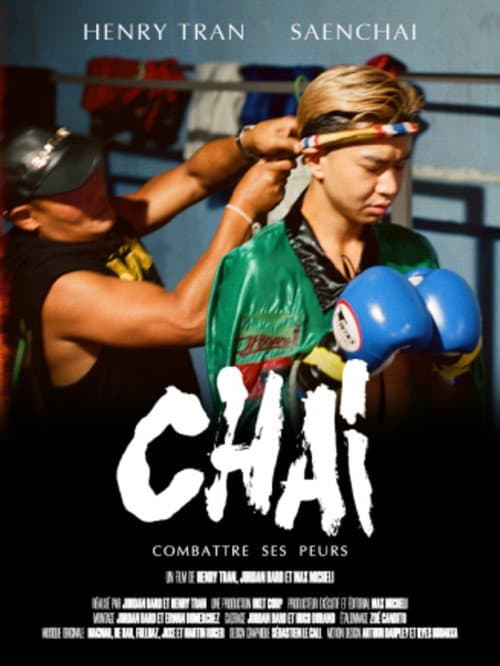
Two years after a defeat that kept him away from the ring, Henry flies to Thailand to join Saenchai, a legend of Thai boxing. Several weeks at his training camp, a rare immersion in his culture and family, and finally, a real fight. CHAI is the film chronicling this adventure and exploring a universal question: How far must one go to confront one’s fears?
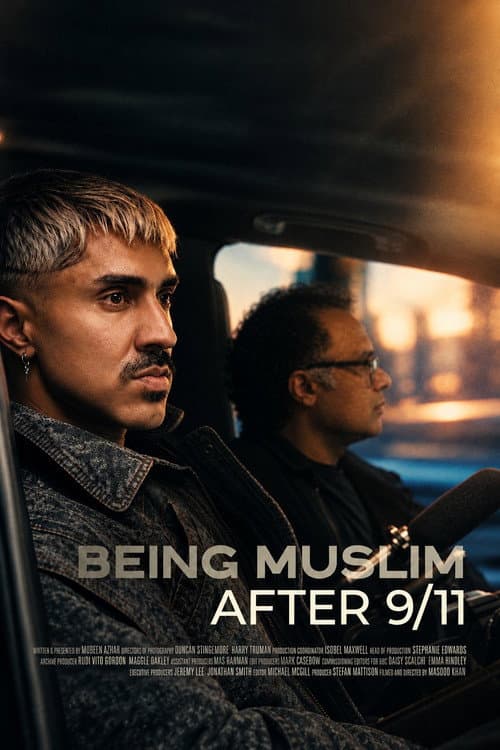
Twenty-five years after 9/11, film-makers Mobeen and Masood revisit their archive and reconnect with people across the British Muslim community to explore how life has changed.
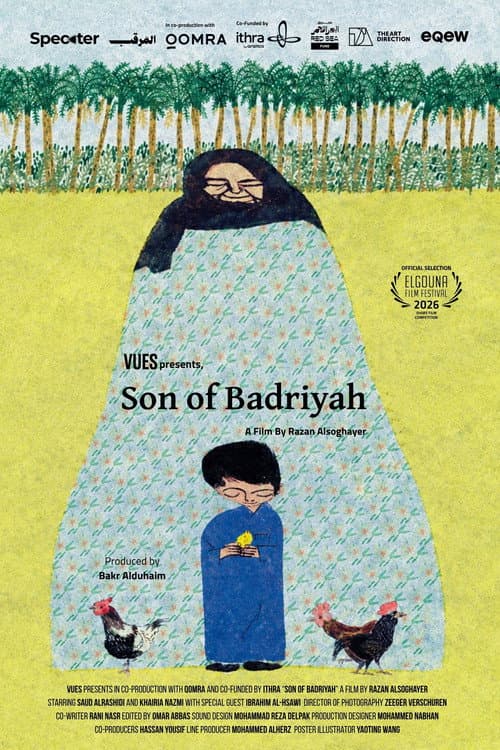
On their final day together, a boy and his great-aunt cling to small rituals together before an inevitable separation.
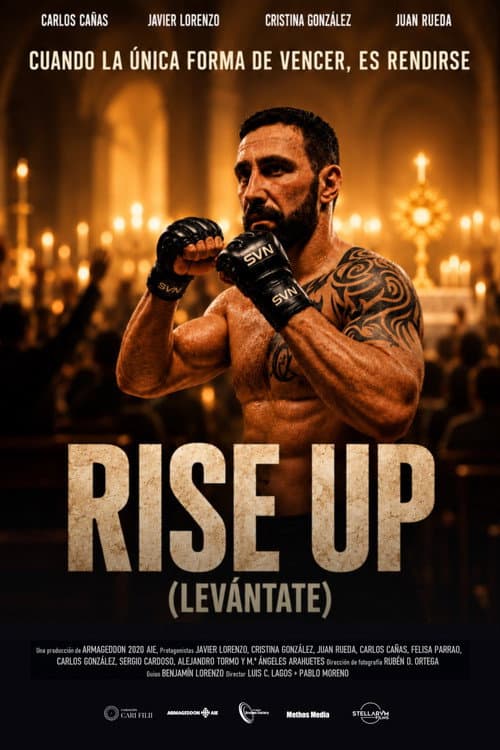
Retired mixed martial arts champion MK returns for one more fight. When an unexpected diagnosis changes his life, his old trainer Jero and former partner Ana help him confront suffering and rediscover friendship, faith and hope.
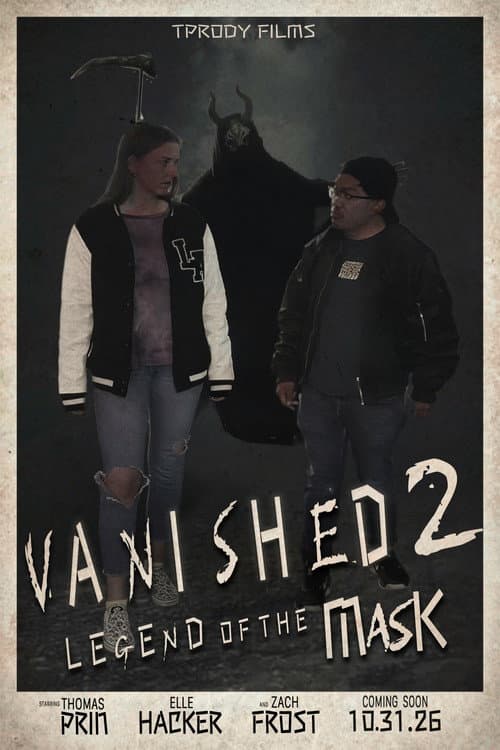
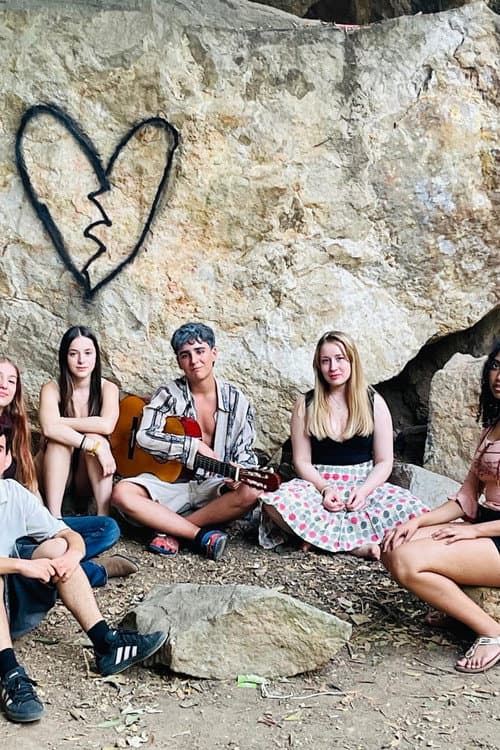
Three friends investigate the mysterious legend of the Masked Monster.
Blue Lagoon explores the links between industrial extraction, ecological care, and somatic release through the lens of a post-industrial North East England coastline.
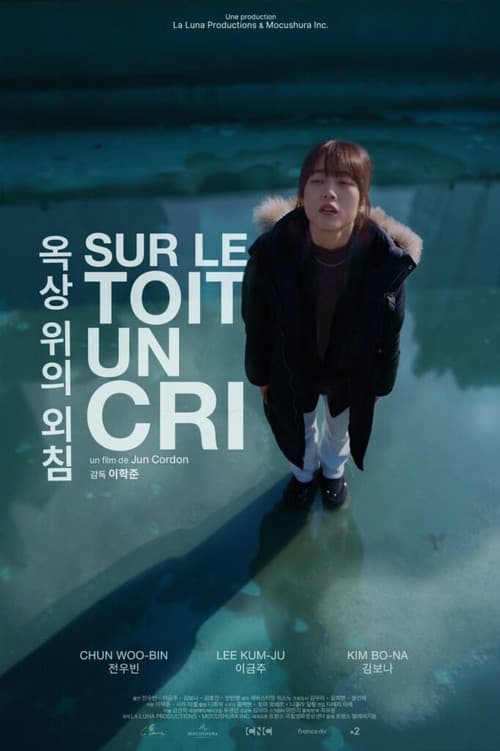
Ji-Eun, a 23-year-old primary school teacher in Korea, is very dynamic and committed, but her professional life is turned upside down by an unexpected request from a pupil’s mother.
Volklore is an experimental video essay that explores the transformation of Czech folklore in the digital age of social networks. In a hyper-stylised influencer universe, traditions become a tool of marketing and commodification, remixed into seasonal trends, spectacle, and viral content.
Su-a arrives in Yangsan to visit her grandmother, but she is not home. The old lady is not someone with many places to go - just the bathhouse or the Buddhist temple.
A documentary chronicling the history and final days of the Crayola House, a legendary DIY punk venue in Harrisonburg, Virginia. Through archival footage, live performances, and interviews with musicians, artists, and former residents, the film captures the spirit of a community built on music, creativity, and collective resistance as it faces displacement and the end of an era.
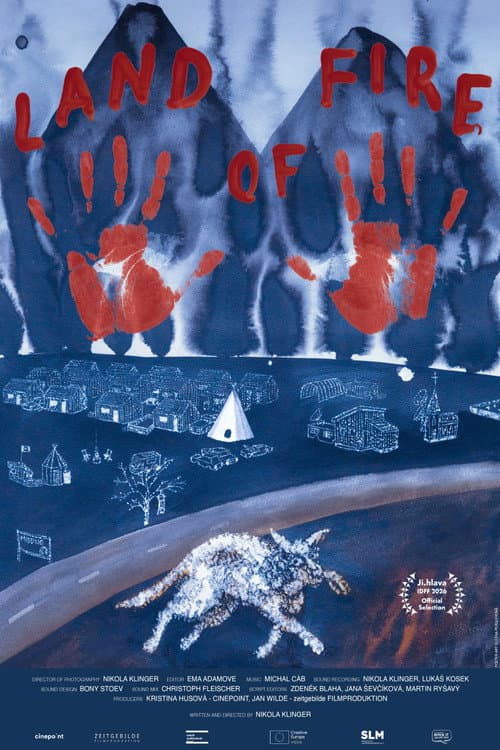
In remote British Columbia, wildfires have become part of everyday life. The communities the film follows carry deep losses, visible in the burned forests and in the roadside posters of missing loved ones, many of them young women. Yet life here is shaped as much by resilience and solidarity as it is by grief. Nikola Klinger has made a film about people facing complex challenges who nonetheless believe in a better future. By weaving together the interconnected lives of the locals, the film creates a layered portrait of the landscape and the people’s bond with the wilderness, its magic and its myths. Residents live in the shadow of unsolved deaths and the disappearances of young people, finding an escape from their troubles in community solidarity and modern-day rituals, such as the demolition derby at the local wreck yard. “There is something alive out there in the bush; you can feel it, but you can’t see it.”
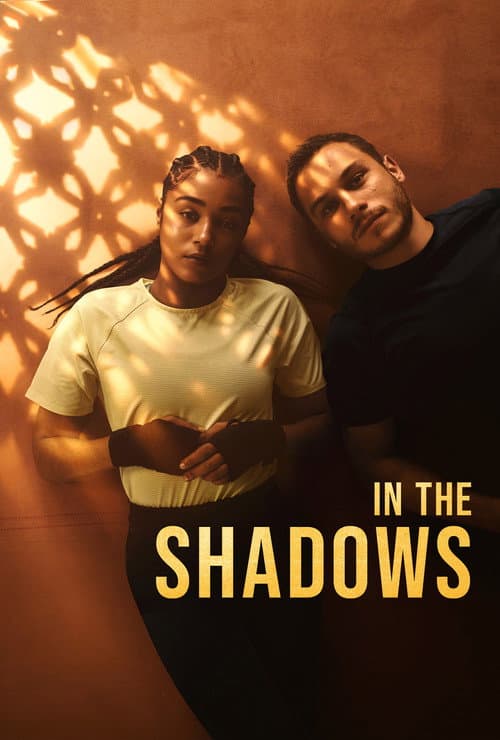
Tells the true story of Ramla Ali, who fled Somalia with her family as a young girl, seeking asylum in London from the civil war. As a teenager, she pursued her love of boxing, but did so secretly as she knew her family would disapprove. Ali became the first boxer, male or female, to represent Somalia at the 2020 Olympic Games and made history after winning the first ever professional female boxing match in Saudi Arabia.
While families gather on Mid-Autumn Eve, veteran employee Fang refuses to go home, leaving her stranded with a homesick Hong Kong student worker. When a typhoon strikes, this clashing pair must join forces through the tempestuous night to save their crumbling sanctuary.
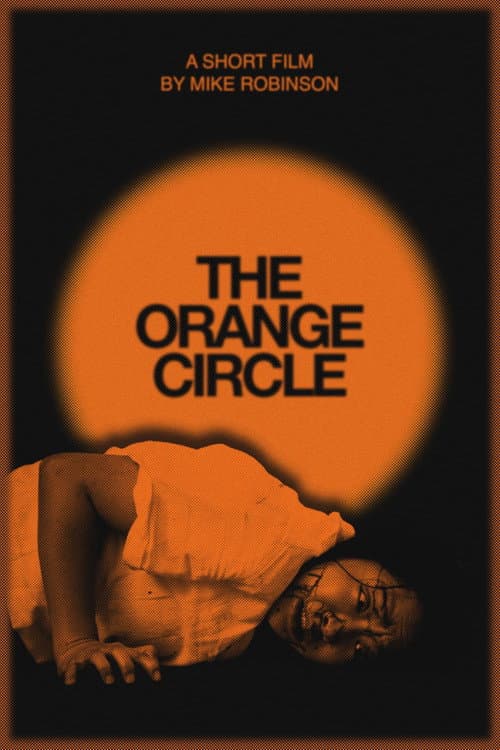
A woman is terrorized by a mysterious orange circle who intimidates her into attacking people with a pair of garden shears.
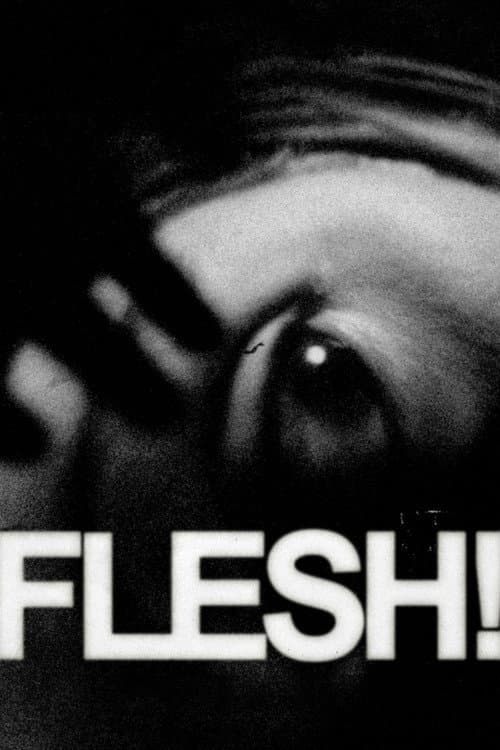
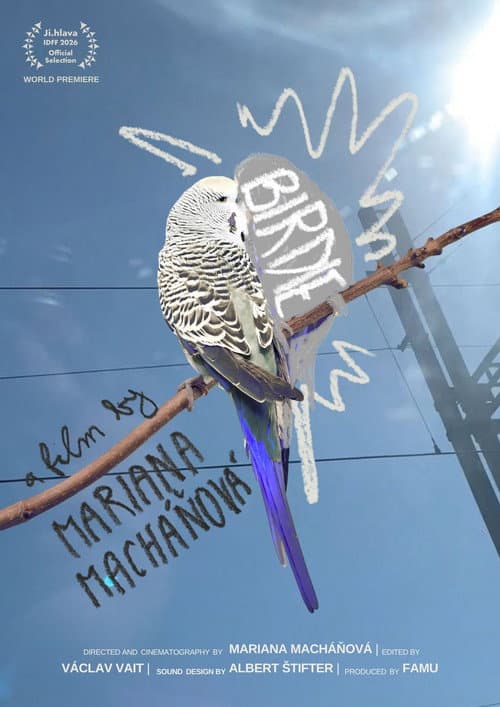
Through the medium of an intimate video diary, Mariana Macháňová captures her family’s grief as her mother passes away. For the director, the camera becomes a tool for both therapy and detachment. She records her wanderings through sterile hospital corridors, taking perhaps her last selfie with her mother at her hospital bedside, and the scattering of her ashes. Coming to terms with the loss also gives rise to reflections on the ethics of such filming. The filmmaker asks herself whether it is acceptable to enter moments of greatest vulnerability with a camera, if the act of filming itself helps to transform fleeting fragments into something lasting and thus to process the mourning. “So I decided I’d heal myself with a film”