Tells the story of a child who was left in a disabled state after a brutal murder killed her entire family while on vacation at a villa. After that, the girl suddenly gained mystical powers and made her seek revenge against everyone who was considered to be related to the murder case, including the teenagers, one of whom turned out to be the killer.
Two years after his mother's death, Ben encounters a hidden room within his childhood house where his mother waits for him, leading him down a crossroads where he must choose either his future or his past.
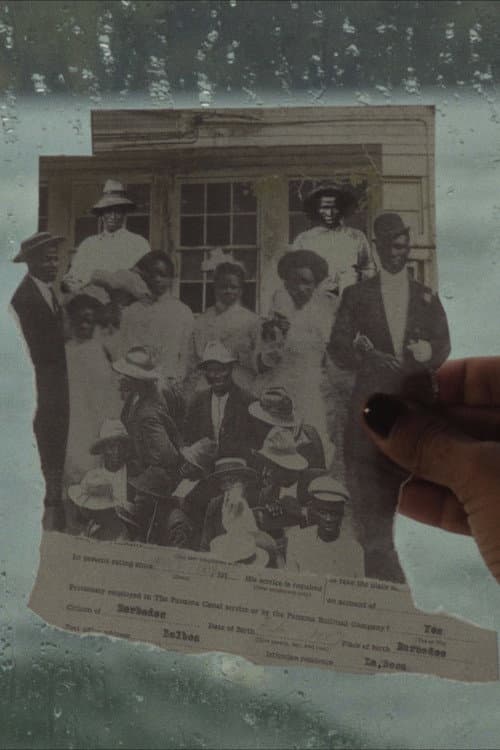
Filmmaker Risseth Yangüez Singh explores her family history while helping her grandmother move. Together, they reflect on the history of Panama, the straightening of Afro-textured hair, and the suppression of Black identity.
"I can’t put words to you, I can’t put labels to you; but what I can put are a whole ton of emotions and feelings to you, and even then I can’t put words to those."
The phrase "Born Sexy Yesterday" is derived from the 1950 film "Born Yesterday." However beneath this superficial portrayal of some women lies a more complex understanding , revealing deeper narratives that resonate with many. October 1, 1985. The chilling emptiness in Michele Avila's eyes. Her murder, a savage ballet of teenage fury, ripped through the town, festering wounds exposing the venomous underbelly of a seemingly innocent friendship. Jealousy, a serpent coiled in the heart of adolescence, struck with the force of a viper, revealing the terrifying depths of envy's reach. These weren't just girls; they were predators. Women are born with many layers, a mix between good and evil. Ironically of all the positive tropes that can validate the existence of women, why is it that "Born Sexy Yesterday" is a trope that resonates with our male counterparts the most?
After passing the exam year, two young singers, Enes and Yusuf, embark on a peaceful vacation to escape their problems. During this vacation, they meet Selin, Betül, and Engin, three young music lovers like themselves, but they only have five days to spend together.
In a near-future surveillance state, a detective secretly aligned with a rebellion investigates the assassination of their leader under the watchful eye of his manipulative new partner.
Jakov returns to hometown in order to take care of his mother whose suffering from a schizoaffective disorder, however, this intense new element in his life will slowly start to make his own psyche crack.
Rusty Nail returns 12 years later, to turn the desert road of the Arizona in blood, as a group of friends on vacation go to a small town near the mountains to explore them, as Rusty Nail with his black truck is near.
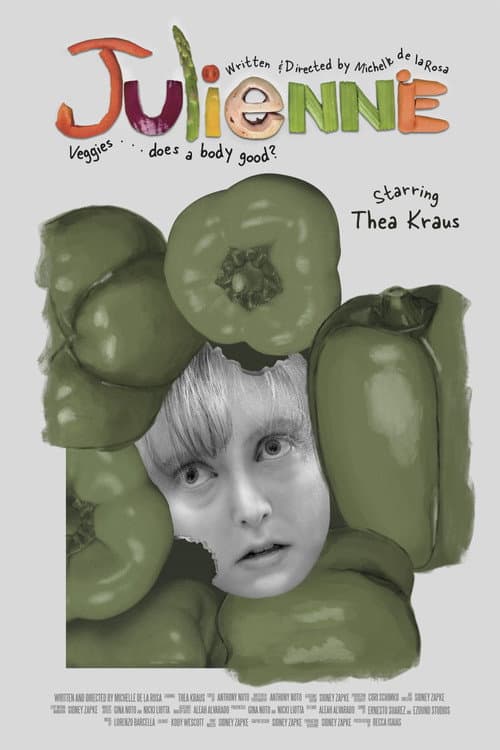
Julienne intimately follows a woman whose obsessive diet and exercise regimen gradually drives her towards a fate she never saw coming.
On Christmas Eve, Deirdre must rescue Erik from his own false realities when he treats his ventriloquist dolls as stand-ins for the parents he’s estranged from.
A group of friends sets out on a holiday road trip to Greece. On their way south, they are intercepted by a group of Croatian gangsters. Locked in a remote house, they find themselves struggling for their lives.
From the creators of Haunted Discoveries, Ghosts of the Gold Rush explores California’s darkest Gold Rush legends, from Hangtown’s violent past to a deadly mining disaster and asks whether history can leave something behind that never truly dies.
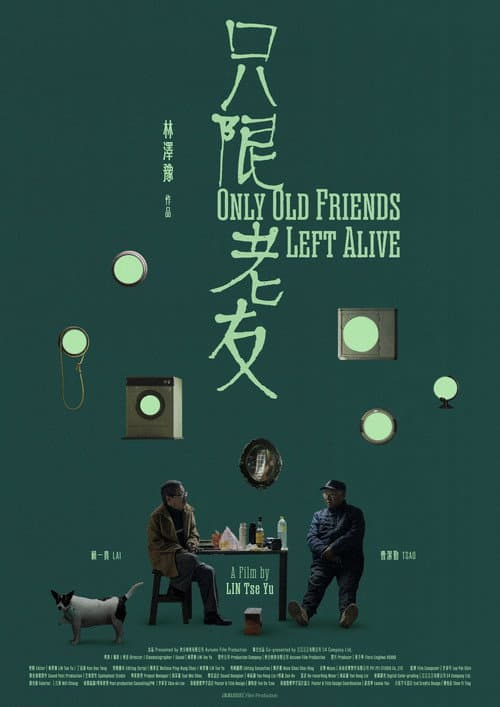
Retired Lao Cao and Xiao Lai, two old men, sit on opposite sides of a drinking table under an arcade in Taipei. They toast and talk nonsense like this every day, and they have done it for more than thirty years. A young director who meant only to watch somehow ends up at the table too, spending many absurd and moving nights with them. Years pass. Someone leaves, someone falls ill, and some relationships are repaired and then break again. The two men are old, they are nearly done with drink, and they no longer see each other often.
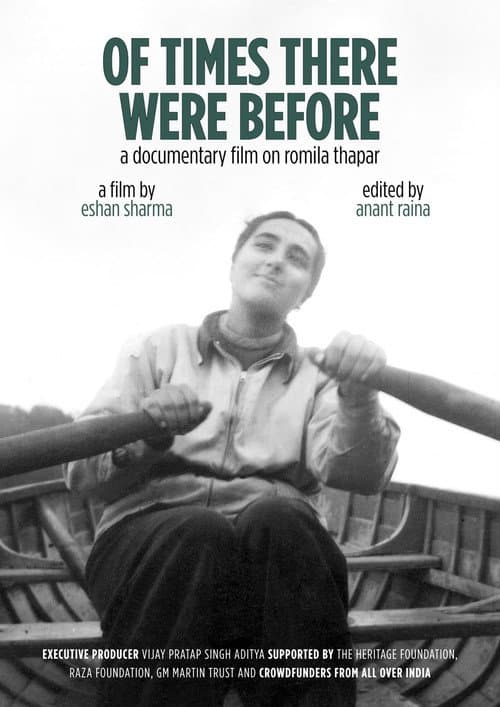
Of Times There Were Before is a portrait of Romila Thapar, one of the world’s most influential historians and public intellectuals. At ninety-four, having lived through much of the making of modern India, she stands at an unusual distance from the past she has spent a lifetime studying. The film began with a simple question: who is the person behind the historian’s name? Shot at her home in New Delhi, it is an attempt to encounter Thapar beyond the authority of her work and the public image built around it. What emerges is a portrait of a life still in conversation with its own time.
Convinced of his own remarkability, student Piotr Kotara dreams of a life filled with spectacular achievements, praise, and love. When repeated failures challenge his self-image, he turns to drugs - first as a means to success, and eventually as an escape from the disintegration of his identity.