Menu
© 2026 The Couch Critic
Browse 41 movies from K.O.C.K. Production
"In this journey, Courant's heroine wanders through the clouds and Pyrenees mountains way after the world's destruction [...] Songs by Brigitte Bardot, Marilyn Monroe and Leonard Cohen, scores by Vivaldi, Kraftwerk and Johan Strauss, they all form this eclectic and defying musical atmosphere from which Courant dreams about a point of view that would allow him to find a rhythm in a constantly changing abysmal paradise" -Diego Trerotola
Oct 1980
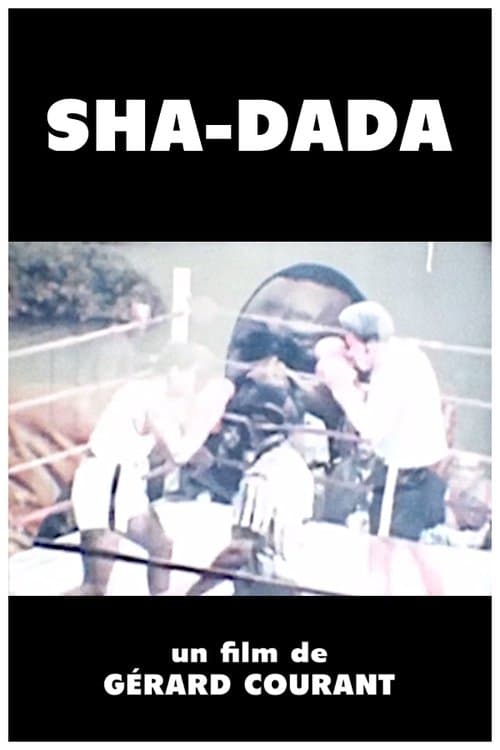
Sha-Dada is an "expanded" film on two screens which presents itself as a confrontation between two imperialisms.
Mar 1978
Reel 13 of Gérard Courant's on-going Cinematon series.
Nov 1981
Reel 6 of Gérard Courant's on-going Cinematon series.
Jun 1979
Reel 2 of Gérard Courant's on-going Cinematon series.
Jul 1978
Reel 3 of Gérard Courant's on-going Cinematon series.
Sep 1978
Reel 5 of Gérard Courant's on-going Cinematon series.
Mar 1979
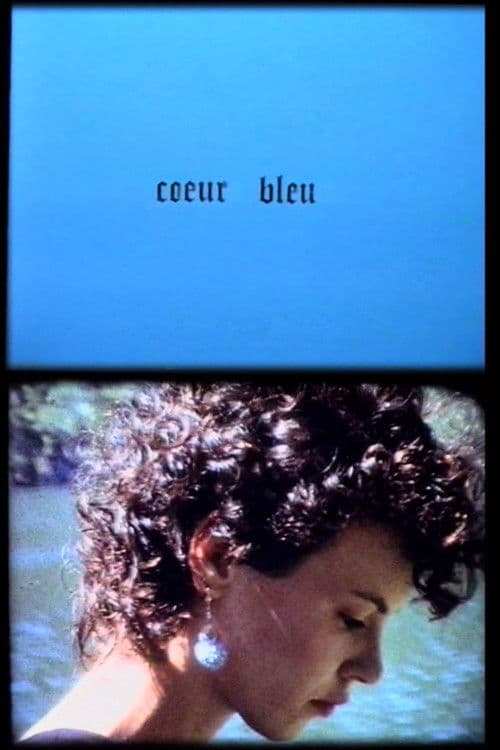
A woman's face under the light of life.
Feb 1980
Jun 1978
Apr 1984
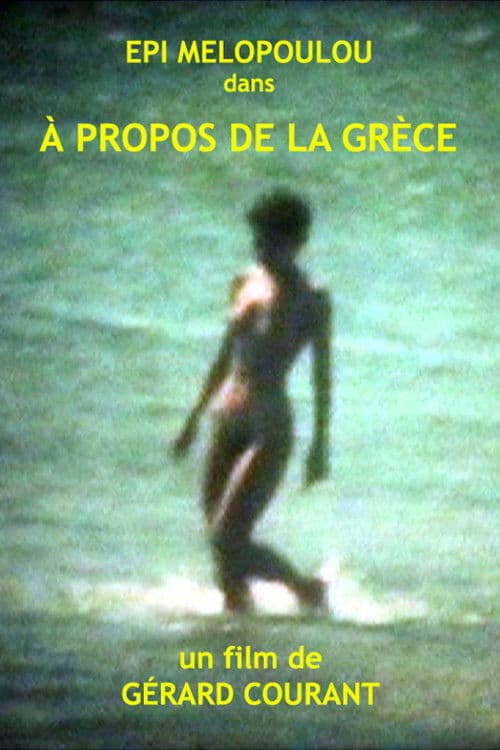
Gérard Courant films the routes of his voyage in Greece with a Super8 camera. Reflections, waves, ports and landscapes are edited at a dizzying pace; in their midst, portraits appear of a very beautiful woman, along with images of the director who turns the camera on himself, showing his face reddened by the sun.
Feb 1985
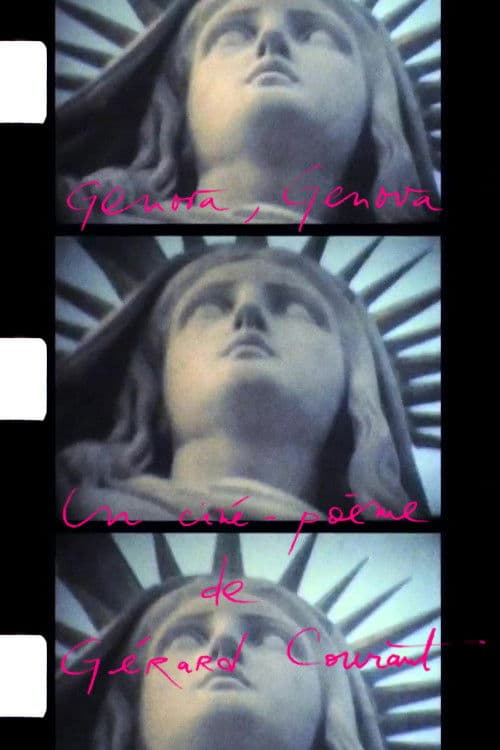
A song of love to the city of Genoa. The film wanders the streets of the city center and explore the beautiful cemetery and then climb the hills which offer an amazing view over the old town crossed by a highway and port.
Reel 1 of Gérard Courant's on-going Cinematon series.
May 1978
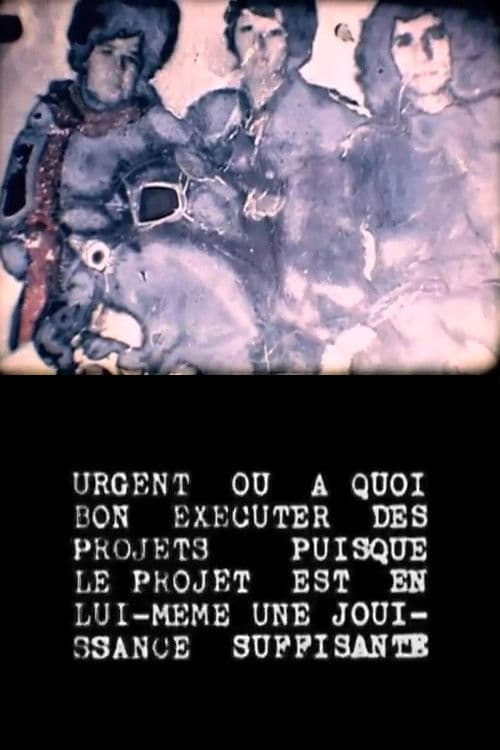
Gérard Courant applies the Lettrist editing techniques of Isidore Isou to footage of late 70's pop culture. Courant posits that his cinema offers an aggressive détournement to the French mainstream, reifying a Duchampian view of film: "I believe in impossible movies and works without meaning... I believe in the anti-movie. I believe in the non-movie. I believe in Urgent... My first full length movie that is so anti-everything that I sometimes wonder if it really does exist!"
Aug 1977
Reel 8 of Gérard Courant's on-going Cinematon series.
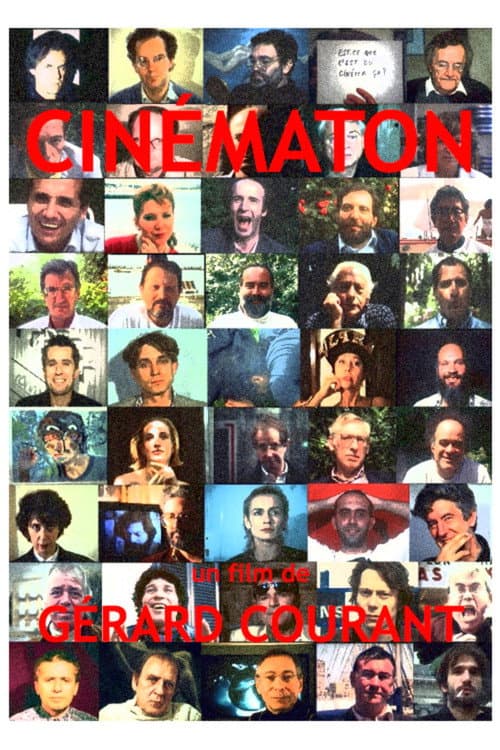
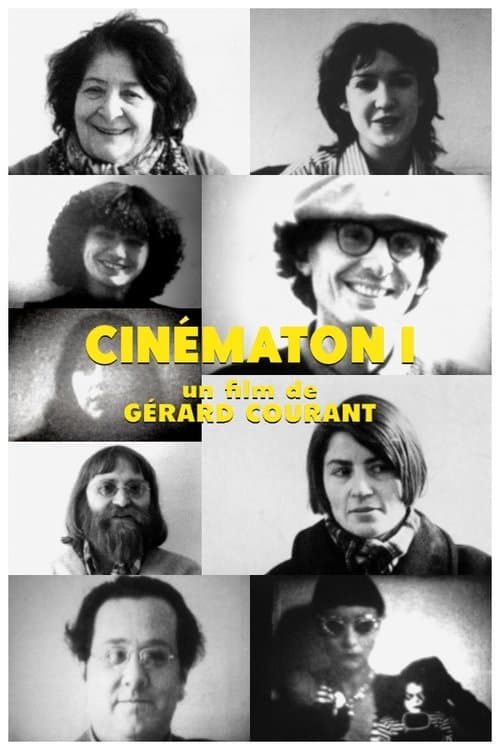
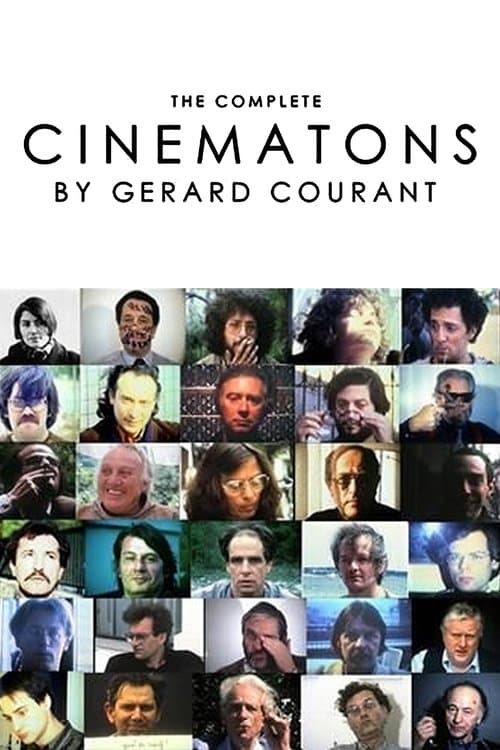
Cinématon is a 156-hour long experimental film by French director Gérard Courant. It was the longest film ever released until 2011. Composed over 36 years from 1978 until 2006, it consists of a series of over 2,821 silent vignettes (cinématons), each 3 minutes and 25 seconds long, of various celebrities, artists, journalists and friends of the director, each doing whatever they want for the allotted time. Subjects of the film include directors Barbet Schroeder, Nagisa Oshima, Volker Schlöndorff, Ken Loach, Benjamin Cuq, Youssef Chahine, Wim Wenders, Joseph Losey, Jean-Luc Godard, Samuel Fuller and Terry Gilliam, chess grandmaster Joël Lautier, and actors Roberto Benigni, Stéphane Audran, Julie Delpy and Lesley Chatterley. Gilliam is featured eating a 100-franc note, while Fuller smokes a cigar. Courant's favourite subject was a 7-month-old baby. The film was screened in its then-entirety in Avignon in November 2009 and was screened in Redondo Beach, CA on April 9, 2010.
Dec 1978
Apr 1979
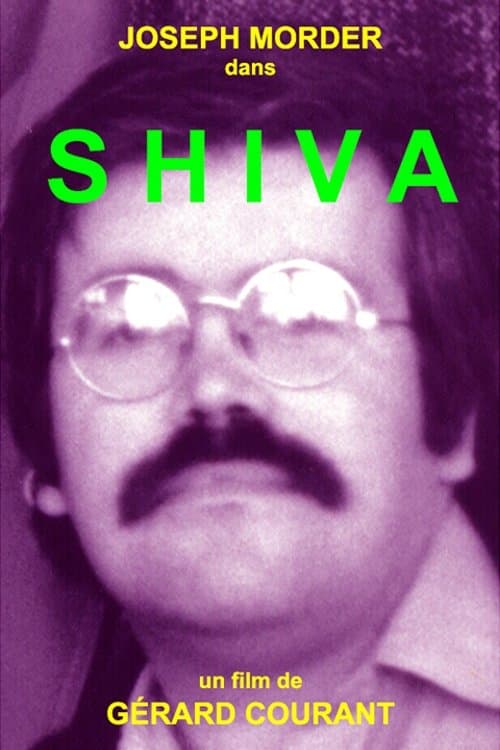
Joseph Morder transforms his face.
Jan 1981
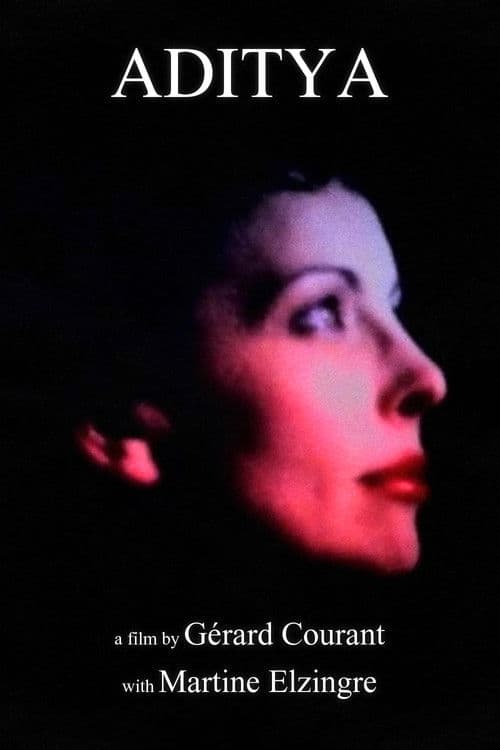
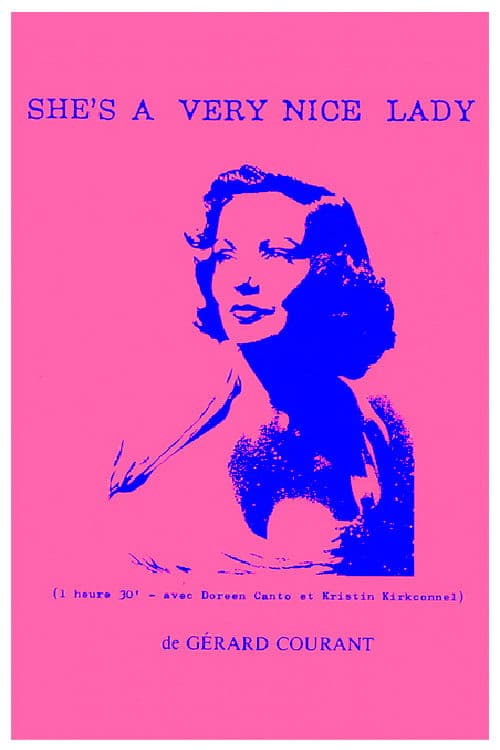
Two New York women, Kristin and Doreen, live a black and white life, but in color of Gene Tierney, a star of 40’ Hollywood melodrama, while listening to the old songs of Marilyn Monroe. They go from one extreme to the other (from dream to reality, from day to night, from black and white to color), and so travel symbolically through this timelessness. Kristin disappears and Doreen is lost is the big city. Her meetings with Marcel, a filmmaker, then David, a sculptor, accomplish nothing, and she is destroyed by daylight. But her Memory of Gene Tierney triumphs over night and death, and Cinema can continue.
Apr 1982