Menu
© 2026 The Couch Critic
Browse 8 movies from A.S.T.A.R.T.I.
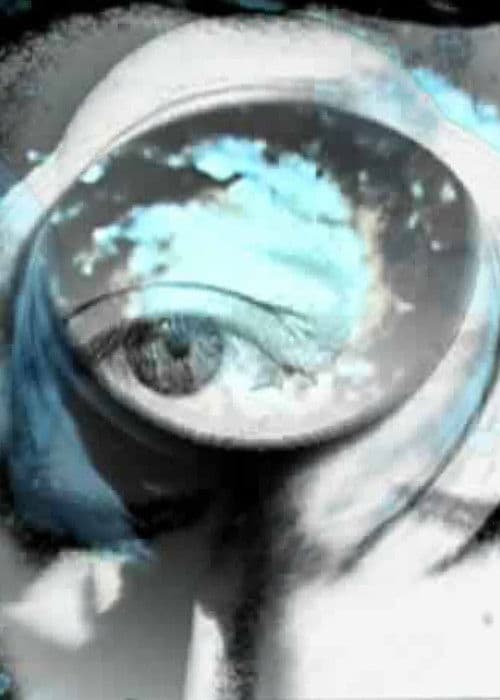
The macrocosm present in QUASAR is a non colonized outer space. A non science-fictionalized outer space. It is a space of fantasized stars and galaxies, black holes and light particles. It is a space of hypnotic contemplation and dissociation of the subject from the self. Immersion into macrocosmic vibrations, rotations, contractions, into slow and curved time patterns. Non linear, non climactic time. Outer-inner skies.
Nov 2004
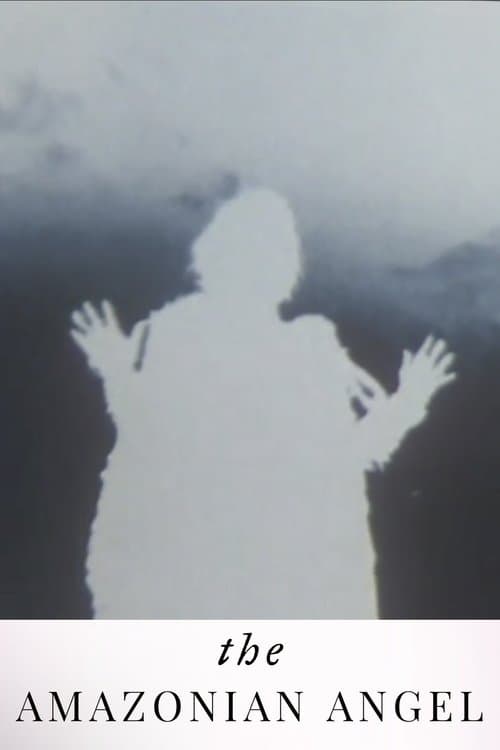
Angel Scan. "Trip" – but without substances – except the substances created by the brain when energy awakes as a creative conscience, accompanied by an intense experience of "light" and "darkness". Hustle and bustle, bombing of atoms, dance of electric particles animated of an ultra fast movement.Invisible units of infra-atomic energy, forms/colours which are characterized by their irradiating heat and by their attraction strength as well as their potential of sound/ vibratory energy.
Jan 2007
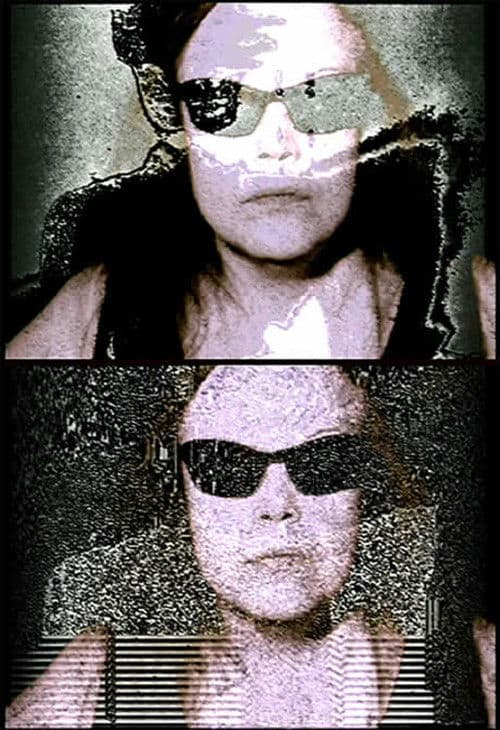
With this film-manifesto, the two artists invent what they called the Cinéma corporel (Cinema of the Body), they present themselves as a "double auteur femme" and they lay the foundations of the radical critical and esthetical positions of their work to come. Double Labyrinthe has a mirror structure based on their "mutual gaze": in the first part Katerina performs while filmed by Maria and in the second part Maria performs filmed by Katerina.
Jul 1976
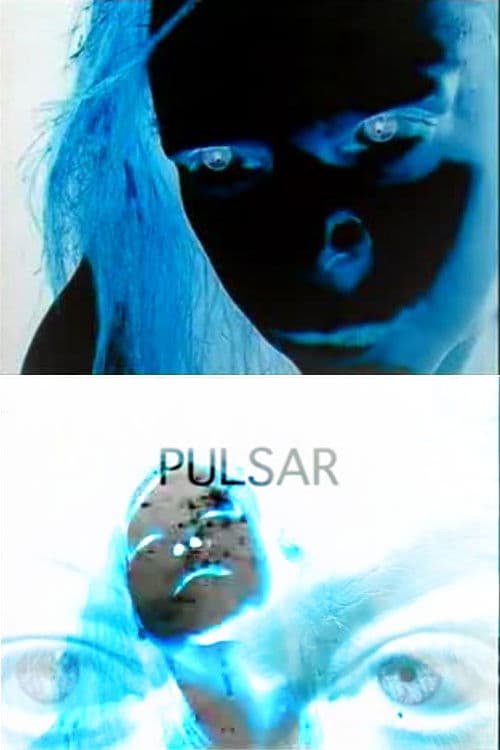
"Pulsar" belongs to "The Angel Cycle" ("Le Cycle de l´Ange"). In this cycle of works we create bonds between the human body and astronomical bodies. Maria Klonaris´ improvised performance is a negative dance which lies between pleasure and catastrophe, a black and blue body language which grapples with the white of the screen and the luminous suddenness of a firework display.
Jan 2001
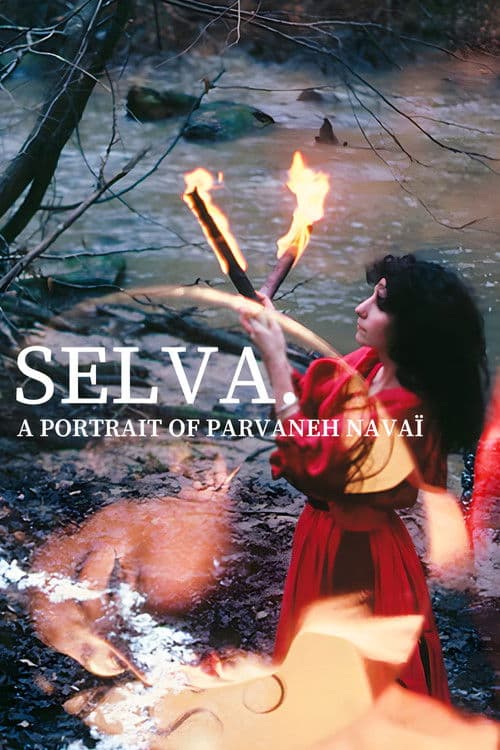
Trance dances and out of body projection. In front of the camera, Parvaneh Navaï becomes a mediator who enters in contact with and immerses into the energies of Nature, while her own energy radiates and echos in the forest ("selva"). The camera amplifies and expands her presence, transforming the forest into an imaginary space. The camera becomes a painter's brush.
Jan 1982
This filmic portrait is born of a double movement: the meeting of Lena Vandrey with our cinematographic universe, our meeting with her pictorial world, her space and her collection of processional figures and articulated dolls. Crossings of imaginations, of mythologies: the South, the origins, the search for a "greecity", the search for the magical potential of the image, the feminine one as "force in love". Crossings of plastic gestures: one on canvas support, the other on photographic and filmic support. We invited the artist to become herself body-painting, filmed painting. We have staged her texts, her paintings, her objects, her space. Attempt to reveal it as an embodiment of its own mythology.
May 1992
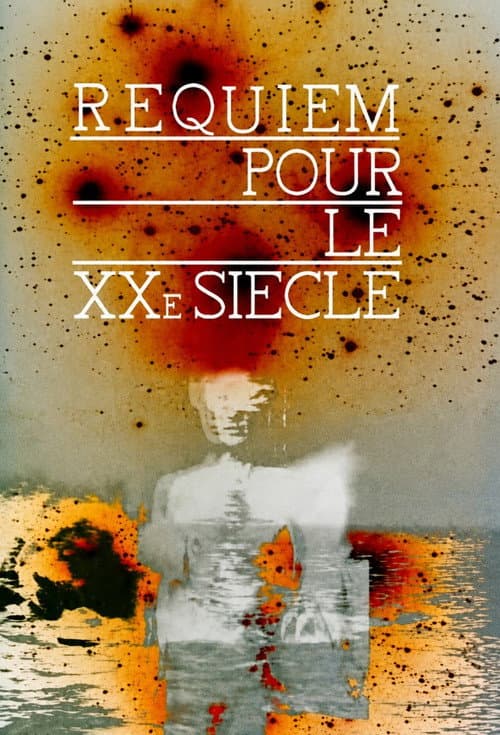
“Requiem pour le XXè siècle” is a manifesto against war. It is an elegy. The photograph is connected with images that are part of our collective memory: extracts from newsreels of World War II that have been reworked and transformed through various optical and electronic processes. World War II was a condensation of violence (biological and environmental destructions, racism, ethnic clearing, and persecution of people who are different…) and ongoing wars perpetuate that violence. This work is a metaphorical representation of all past, present and future wars. Constructed on the dramatic tension between the violence of wars and the presence of the intersex hermaphroditic “Angel”: Their eyes are bandaged; they are a symbol for difference, having an ambiguous position: observer, witness, victim or judge.
Jan 1994
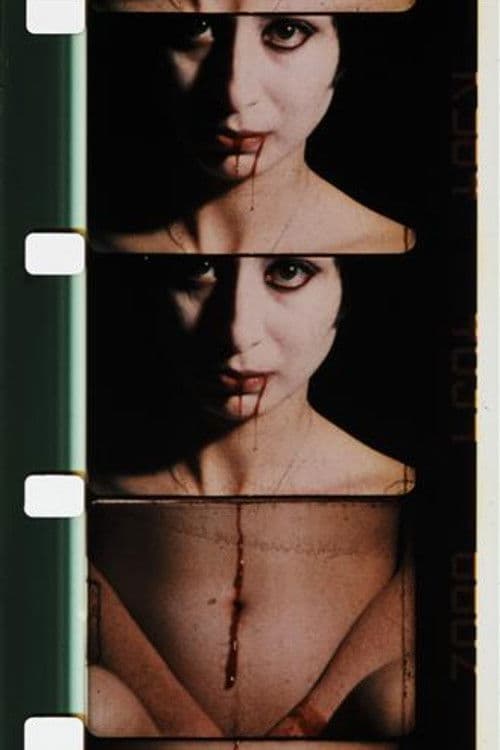
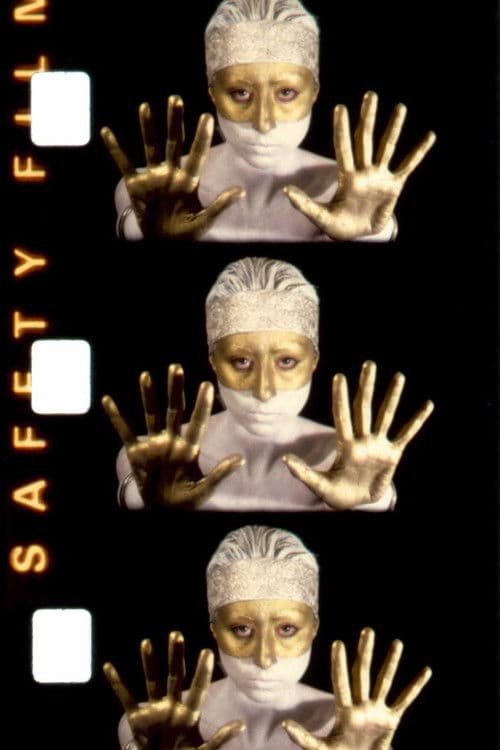
Astarti, the Greek name for Ishtar, is an archetype of a deep, nocturnal feminine that emerges from subterranean darkness. We experience an embodied cinematic experience realised through a sensuous aesthetic as we are invited to enter a strange and uncertain world of inner depths and hypnotising effects. There, we encounter three women actantes, embodied by the artists, who play mythic and magical female figures such as Medusa and Salome. They metamorphose, dance and enter trances where the body vibrates into transformation. Figures reveal themselves out of silence which is both the moment of creation and an eternal reality. The film itself actualises that which is inactual and gives form to blackness through a poetics of intimacy and an ethics of interpersonal relationships, which is founded in the artists’ own double authorship.
Sep 1980