Menu
© 2026 The Couch Critic
Browse 42 movies from New Theatres Limited
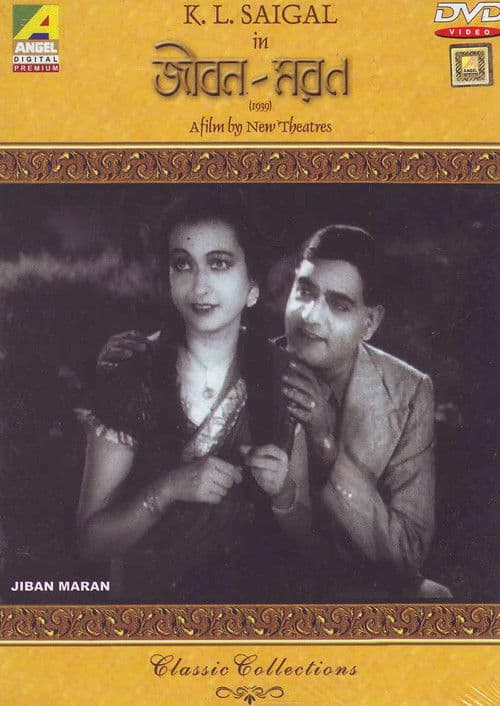
A famous Saigal musical narrating a strange love story set against 1930s industrialization and worker-management relations. The 16-year-old Prabhavati inherits a mill and turns it into an extremely profitable enterprise. Prakash is a worker who designs a more efficient machine for the factory for which he first gets sacked and then is re-employed. He falls in love with Prabhavati's sister Sheila, who later makes way for Prabhavati who is also in love with Prakash. Her withdrawal distresses Prakash, causing him to bully the workers who then go on strike.
Mar 1937
Devdas, the son of a zamindar, and Parvati, his neighbour's daughter, are childhood sweethearts. However, class and caste differences prevent their marriage. Devdas is sent off to Calcutta, while Paro is married off to an aged rich widower. In Calcutta, as remorse drives him to alcohol, Devdas meets Chandramukhi, a prostitute. All Indian prints of this Bengali version were destroyed in a fire that ravaged New Theatre’s studios. Today, only one copy of the film survives which belongs to the Bangladesh Film Archives. Of that copy almost forty percent is destroyed.
Mar 1935
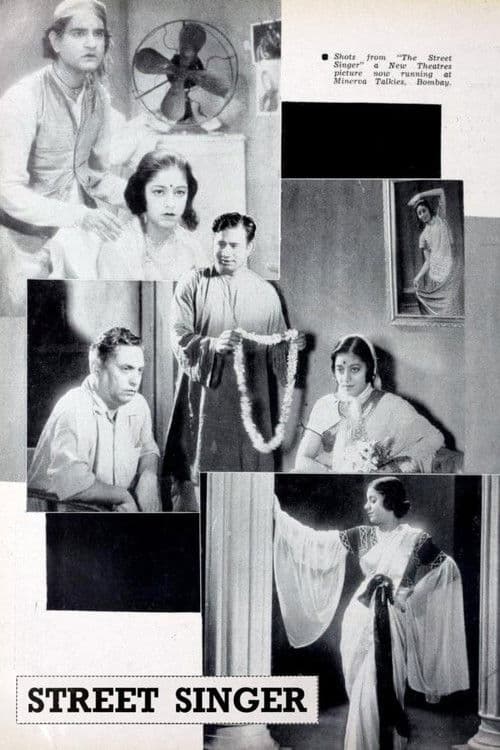
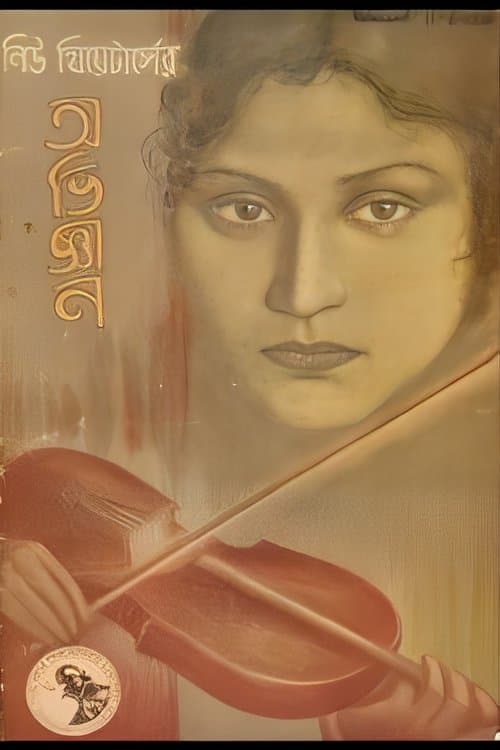
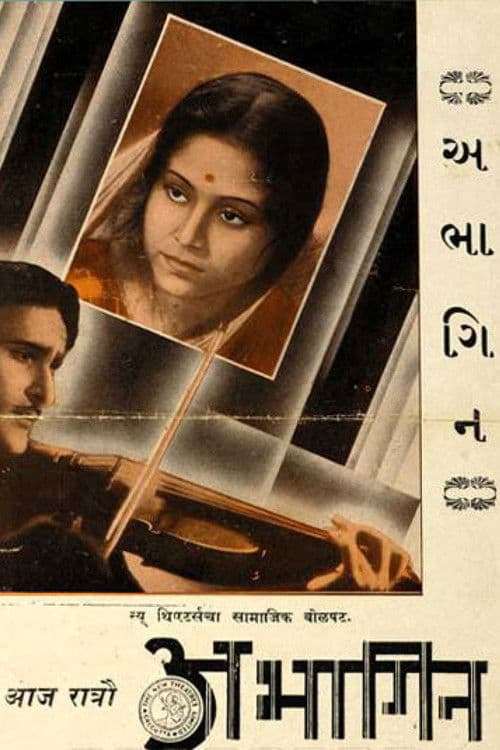
A famous radio singer Mohan (Saigal) is in love with Geeta (Leela Desai). When he goes to his friend a doctor, TB Specialist, Bijoy (Bhanu) for a check-up, he is found to be in an advance stage of TB. Meanwhile Leela's dominant mother and aunt (Nibhanani and Manorama) had been against the poor Mohan and had set their eyes on same Dr. Bijoy, the son of a family friend. When Mohan comes to know of it, and also his sickness, he decides to walk away from them. He is intercepted by a doctor who ran a sanatorium for TB patients, with some new method of treatment. Geeta couldn't forget Mohan and waited, but in the end she had to relent. Then it was known that Mohan was alive and cured. What would now Bijoy and Geeta do? There wedding was the next day, and they have to go ahead with it, the honour of both the families were at stake. Mohan too aware of his being exposed, disappears from the sanatorium and is untraceable.
Oct 1938
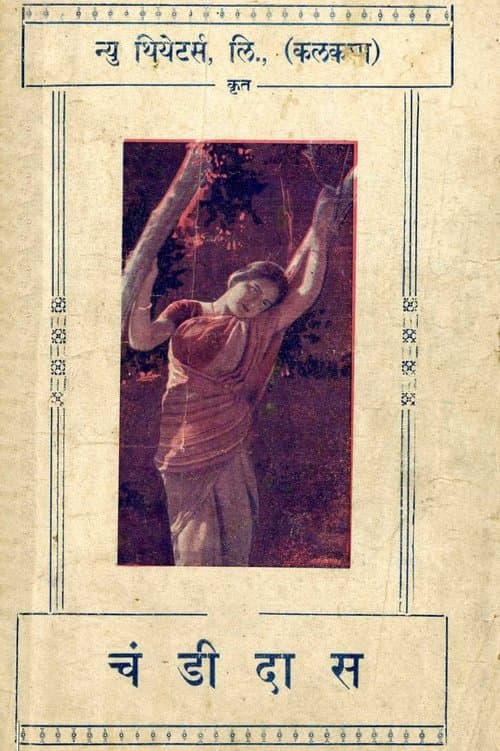
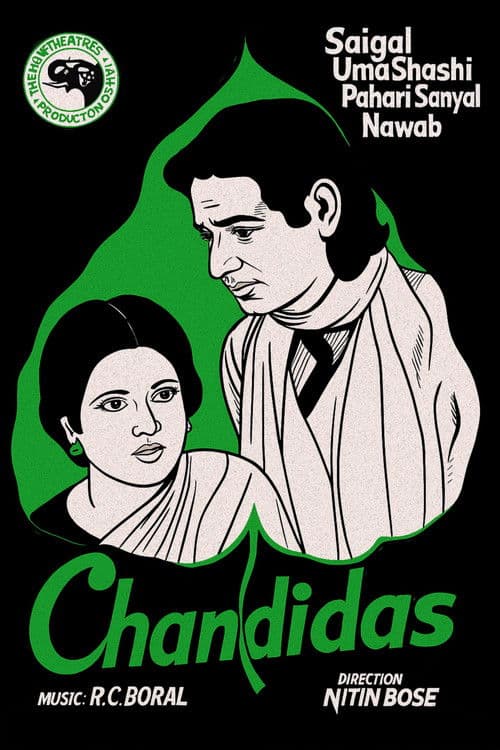
This film is about Chandidas, a legendary 15th-C. Bengali Vaishnavite poet whose biography remains obscure but was an influence on the better documented Chaitanya (1486-1533), a school teacher who promoted the Vaishnavite ideology in Bengal, mostly through hymns about the Radha-Krishna legend.
Sep 1932
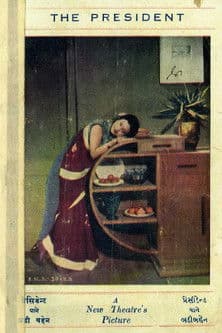
Badi Bahen aka President is a 1937 Hindi social romantic drama film (the Bengali version was called Didi and starred several different actors). The story according to the credit roll of the film is "A tale of love and greater love" developed on an idea by M. M. Begg. It was a love triangle with a social content that highlighted the conditions of the mill workers. It was also the first film to show a liberated educated woman managing her own factory
Jan 1937
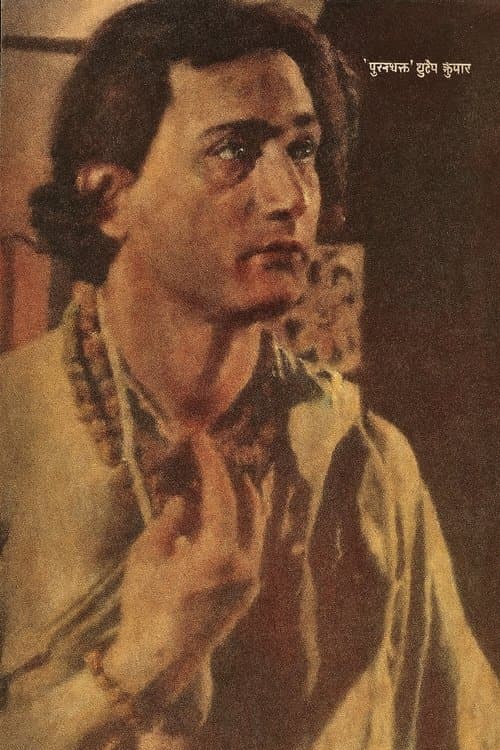
The legend of Prince Puran, born under King Silwan of Sialkot's curse which binds his parents never to set eyes on him until he is 16. Accused of leading a debauched life by an evil general and by the king's second wife, Puran is sentenced to death. Rescued by the mystic Gorakhnath, he becomes an ascetic. When the king is overthrown, Purna rises from his meditations to depose the general who has seized power, before returning to his life of renunciation.
Jan 1933
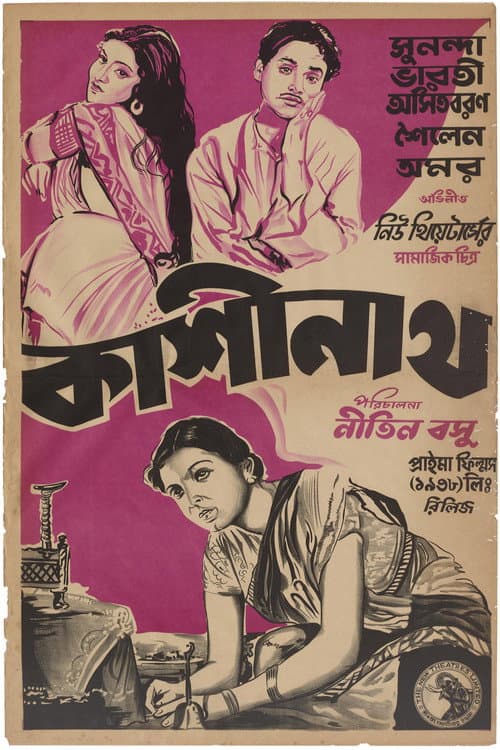
Shiromoni, a village priest sends his son on an errand to the house of Mr. Mukherjee. On his return Kashinath discovers his father is no more. With no kin to support him Mr. Mukherjee suggests that Kashinath should move over to live with Mr. Pitambar Chakraborty, the zamindar [Landlord]. Kashinath however, is in no mood to leave Mr. Mukherjee's home as he has started to grow attached to Mukherjee's daughter Bindu.
Apr 1943
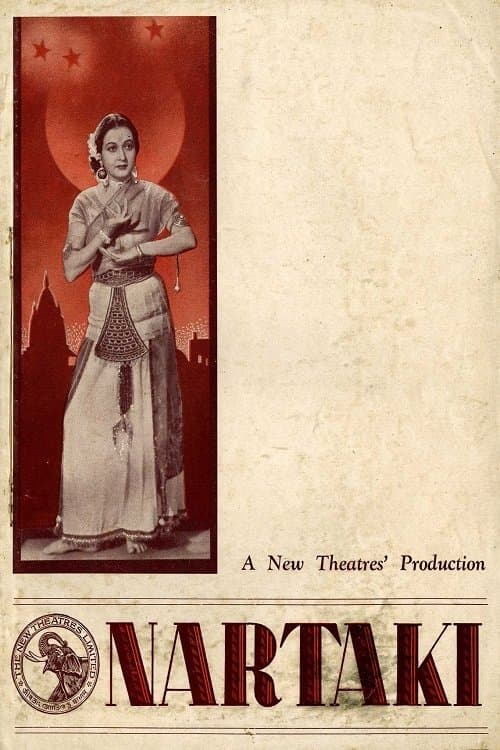
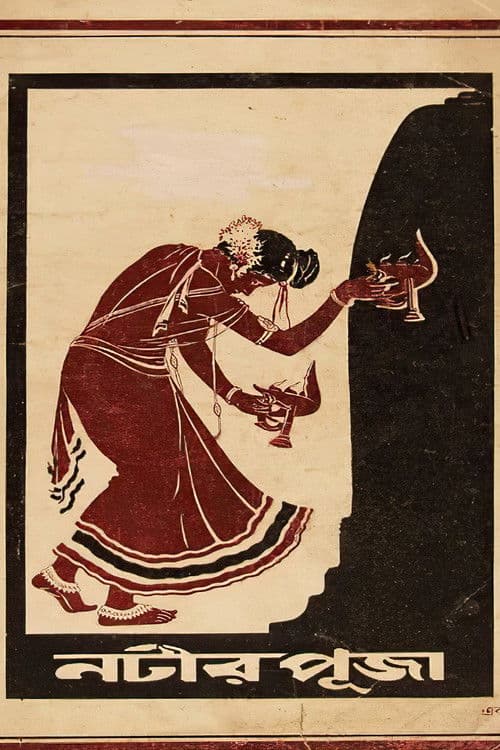
Roop Kumari (Leela Desai) a famous court dancer is forbidden entry into a temple monastery run by a strict disciplinarian Priest. The cast listed here is for the Hindi version, there is also a Bengali version with a different cast, but same director and release year.
Dec 1940
Two street urchins dream of singing and making it big in the glamorous world of theatre in Calcutta.
Feb 1938
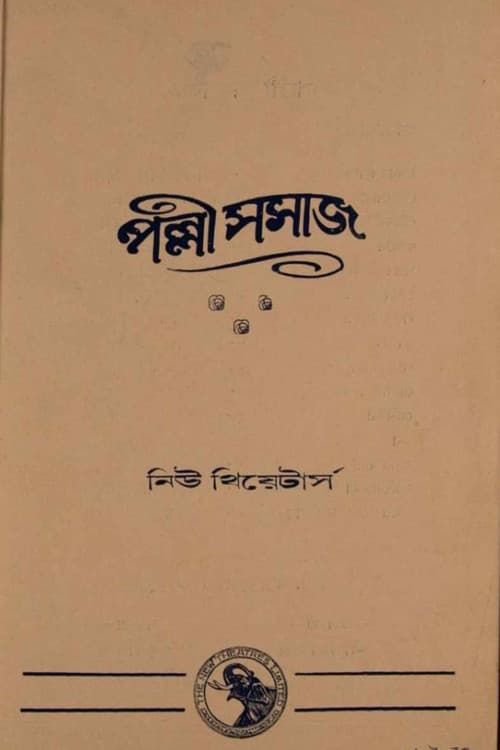
Sisir Kumar Bhaduri's Palli Samaj. A 1932 Bengali Talkie Film directed by Sisir Kumar Bhaduri.
Jul 1932
Prince Parvez is against the marriage his mother has arranged for him with a neighbouring princess.
Jan 1935
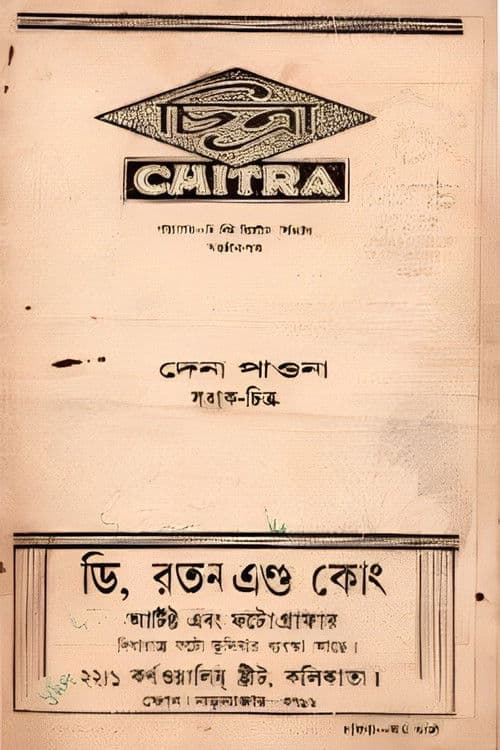
Dena Paona is a dramatic exploration of societal pressures and personal redemption. The film follows Sorashi, a strong-willed temple priestess, as she confronts the challenges of a troubled marriage and a disapproving community. Her journey towards self-discovery and reconciliation with her husband forms the heart of this compelling story.
Dec 1931
The story revolves around the 15th century poet-saint Chandidas who acts out against the deep-rooted bigotry against caste, untouchability and the hypocrisy of society, as he falls in love with a washer woman.
Jun 1934
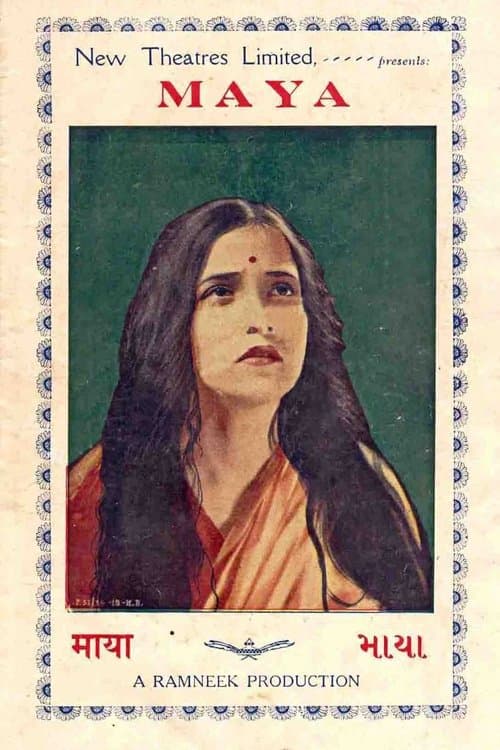
Maya (Jamuna) is the poor cousin of rich socialite Shanta (Azoorie). Shanta is supposed to marry the equally rich Pratap (P. Sanyal), but he falls in love with Maya and fathers her child before going abroad. Shanta causes a seperation by intercepting Pratap's letters to Maya. When he returns, a successful lawyer, he us unable to trace her, while her efforts to meet him are foiled.
Jul 1936
A wife rejected by her in-laws following her abduction is given shelter by the husband's friend. The storyline follows the wife's ambivalent feelings for her savior when she's accepted back into the family.
Jun 1938
A simple recording of Tagore's 1926 dance drama on Buddhist legend.
Jun 1932
A tenant attacks the villainous landlord Jawaharlal Choudhry, injures his son Priyalal and abducts his daughter-in-law Sandhya. Sandhya escapes unharmed to her relative, the engineer Praksh, but her father-in-law refuses to take her back, believing her to be 'damaged goods'. Sheltered by the kindly Promode, her husband eventually accepts her back although she feels torn between affection for her savior and her marital obligations.
Jul 1938
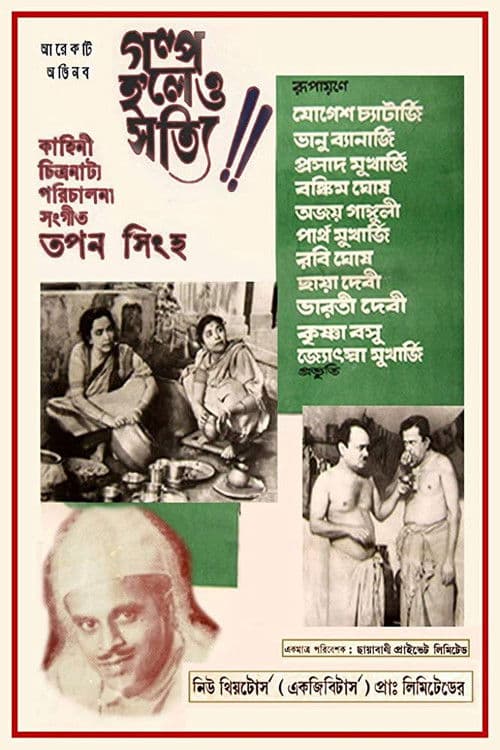
In a family where relations have deteriorated to the worst level, even affecting professional lives, an outsider tries to rebuild the lost love and compassion.
Oct 1966
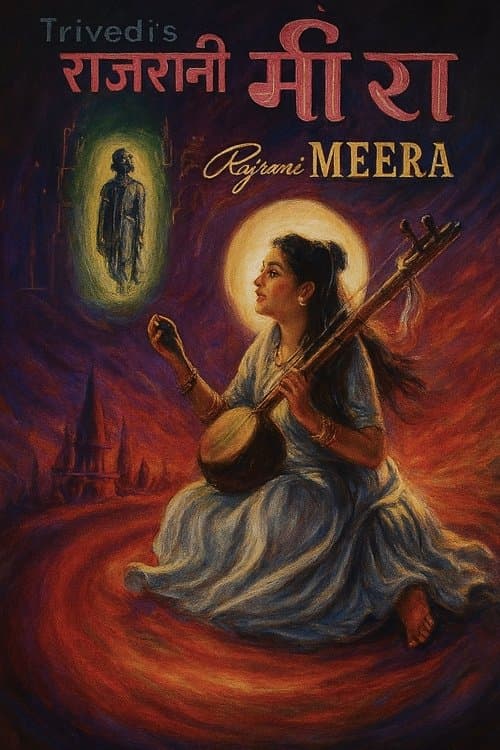
Meera is immersed in her love and devotion to Lord Krishna since a young age. When she grows older, her family get her married to the Rana of Mewar. Misunderstandings occur when her devotional poetry is thought to be love songs for someone. Several hardships are inflicted on her by her husband and her in-laws. She takes to sitting in the temple and singing bhajans (sacred songs) composed by her. Her brother-in-law tries to have her killed many times, but fails. She finally renounces her life in the palace and wanders from place to place singing devotional songs.
Jul 1933
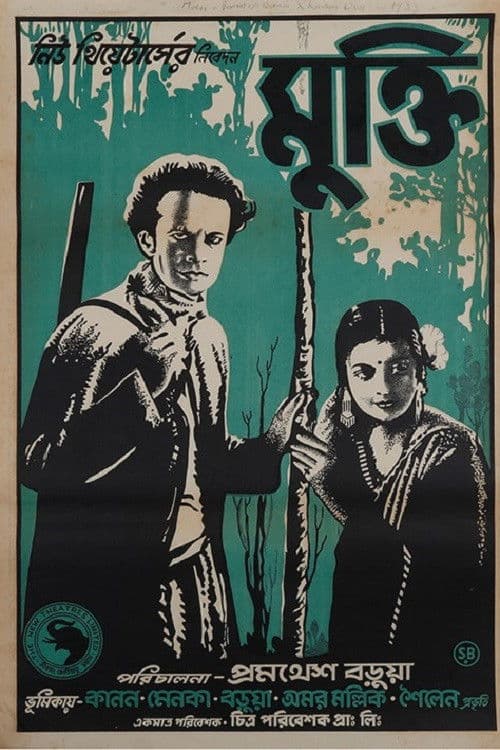
This classic adultery story tells of an artist, Prasanta (Barua) presented in the stereotypically romantic image: dedicated to his vocation, paying no heed to his scandalous reputation (he paints nude models) and with a cavalier attitude to his conservative father-in-law's (Choudhury) demands for a good social behavior.
Sep 1937