Menu
© 2026 The Couch Critic
Browse 109 movies from Studioul cinematografic „Bucureşti"
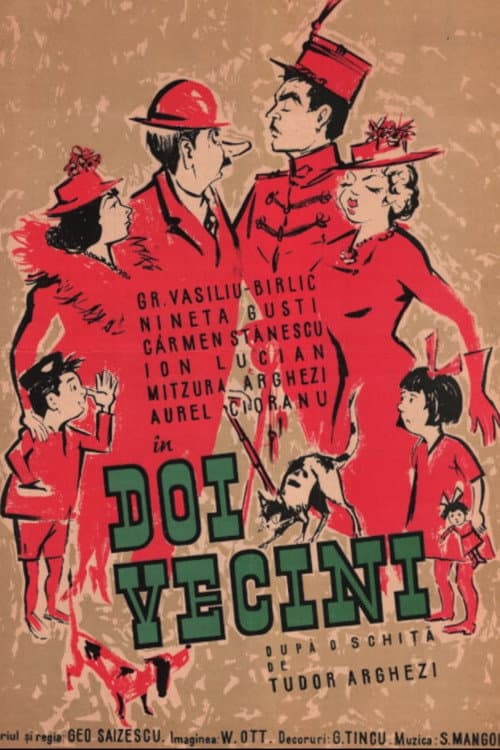
Adaptation based on the sketch "Doi vecini" by Tudor Arghezi.
Jun 1959
Jan 1958
Jan 1963
Jan 1959
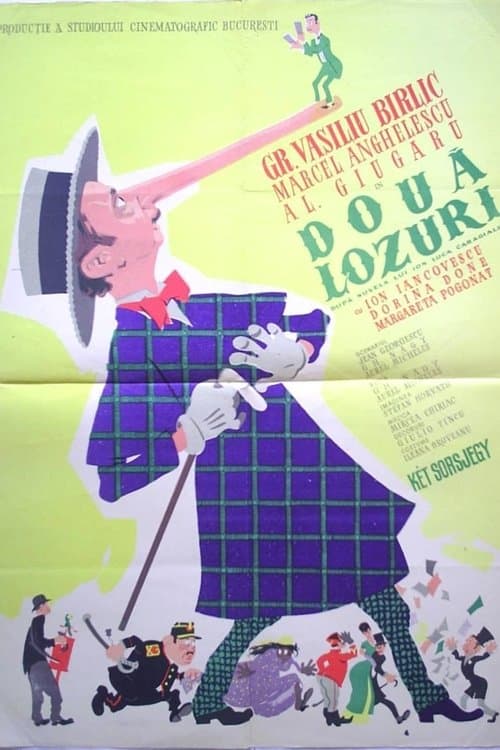
1957 film adaptation of Romanian playwright Ion Luca Caragiale's novella “Două loturi” (Two Lottery Tickets, 1901). The scenario was written by director Jean Georgescu, one of the most skilled Romanian filmmakers of the 1940s and 1950s, while the directing belongs to Aurel Miheleş and Gheorghe Naghi, at that time both recently graduated from the All-Union State Institute of Cinematography in Moscow. This is the second feature film in colour from Romania. Despite the great public success, the film was often criticized by reviewers, mostly for its unhandy directing from the two debutants. Miheleş and Naghi would however continue their collaboration and release another two Caragiale adaptations, of which “Telegrame” (Telegrams, 1959) was nominated for the Palme d'Or (Golden Palm) at the 1960 edition of the Cannes festival.
Mar 1959
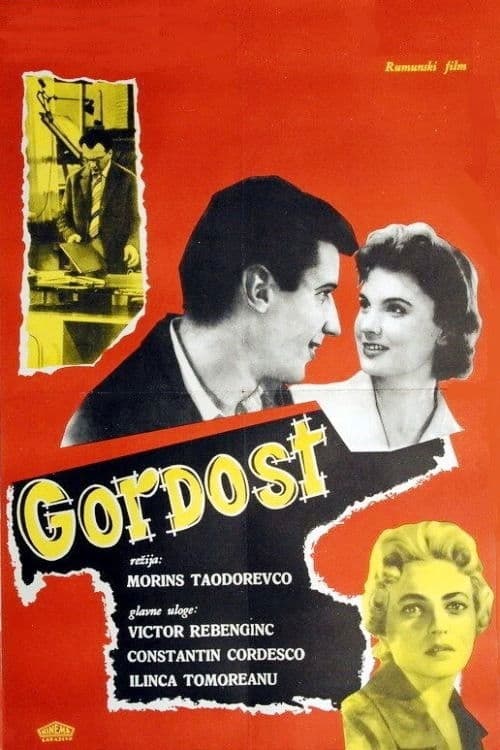
The film centers on the story of two young specialists Andrei and Liviu, their different attitudes to work, to their authority and to friendship.
Mar 1961
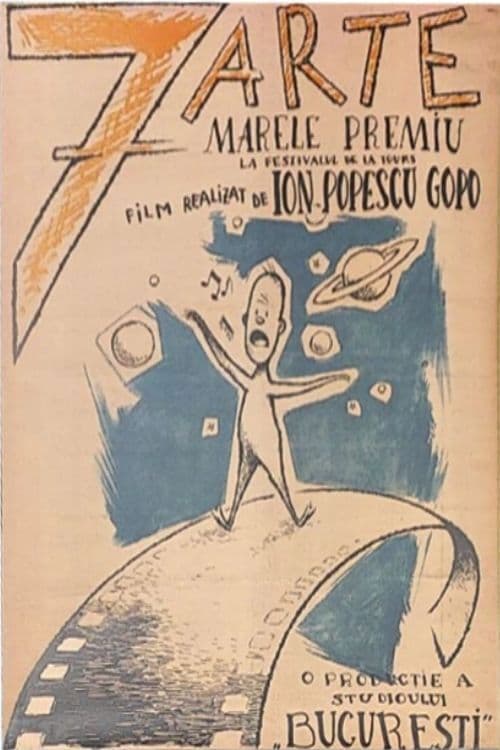
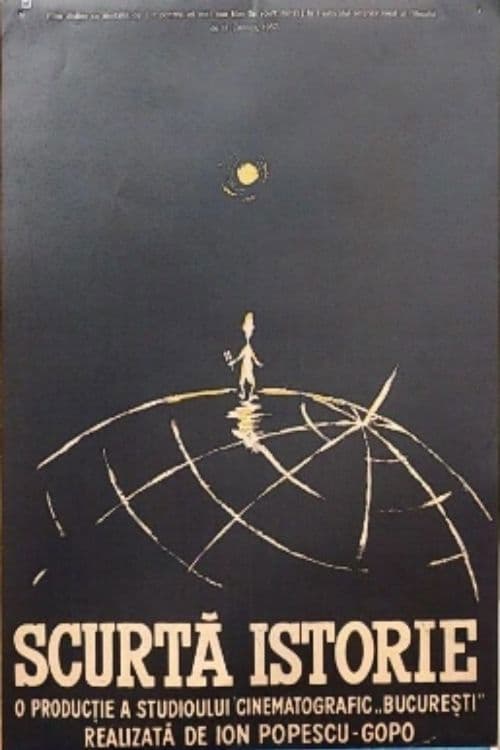
This 1957 Romanian short animation and Cannes Film Festival winner skilfully and with incredible artistic expression manages to condense the entire narrative of human evolutionary theory into a ten minute short film. Not only that, he eerily anticipates the communist triumph of the USSR launching the first man into space by a few years.
Jan 1956
Jan 1960
Jan 1953
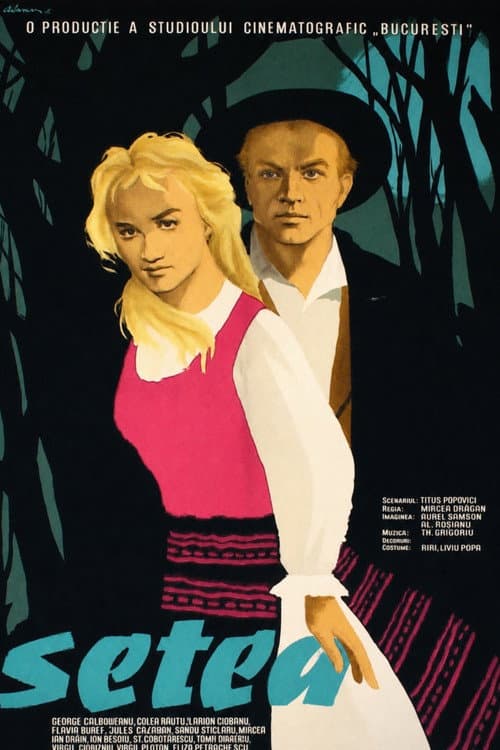
The communists are taking over the boyar land and do the agrarian reform.
Oct 1960
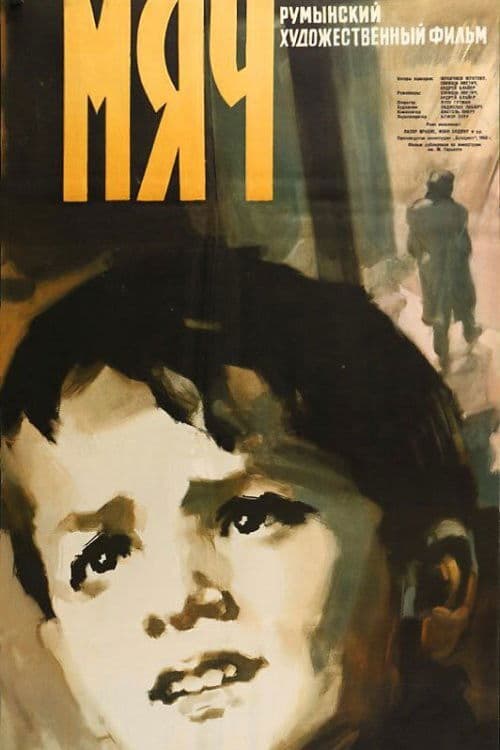
With his nose pressed against the glass, four-year-old Ionel watches the kids playing ball in the street with great interest. His father, a schoolteacher, has lost his job. Now he goes to various institutions in vain, because in bourgeois Romania it is not easy to find a job. Ionel waits for his father every night and while waiting for him he dreams of getting a real yellow ball for his birthday. His father realizes that it is necessary to get the money and buy the ball. After all, the boy is crippled, and the ball is the only hope for him to get well...
Dec 1958
Jan 1961
Jan 1955
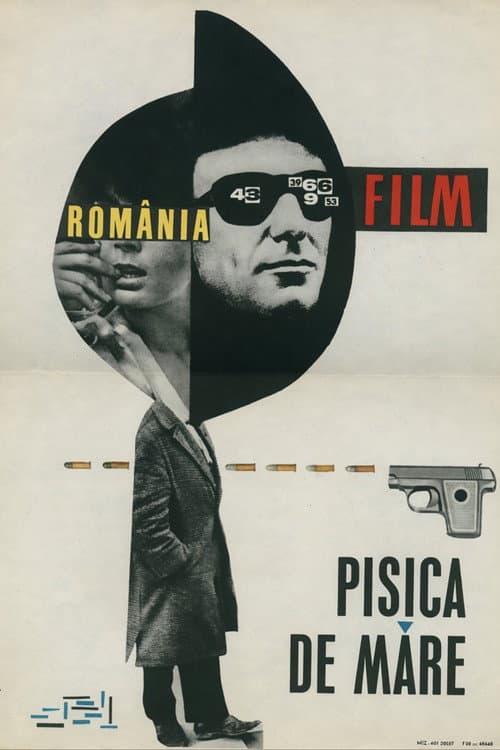
The Romanian Ministry of State Security has learned that foreign intelligence is hunting for plans for blue mines, where strategic raw materials are mined. This task is carried out by a gang led by a spy named Sea Cat.
Jan 1964