Menu
© 2026 The Couch Critic
Browse 5 movies from PRV - Production Réalisation Vidéo
Oct 1996
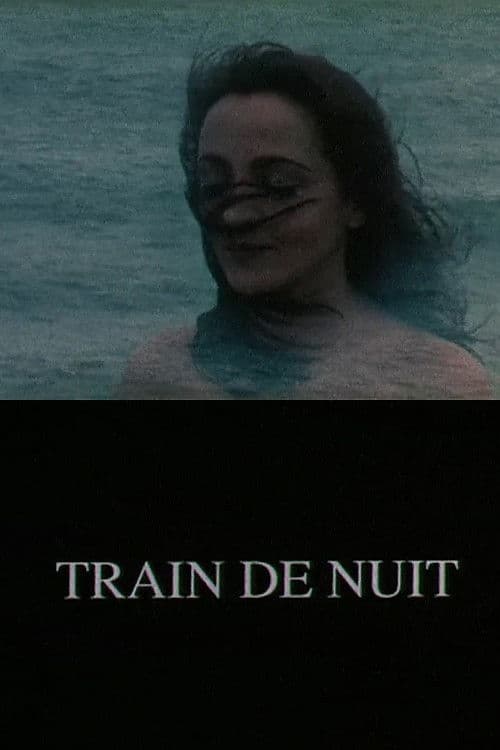
The man is seated in the compartment. Alone, he speaks to Lise through his memory. He goes towards the sea. It’s the goal of the travel. There in this big house with a view on the waves, despite Lise not being there, despite her death, he sees her, he is with her.
Aug 1994
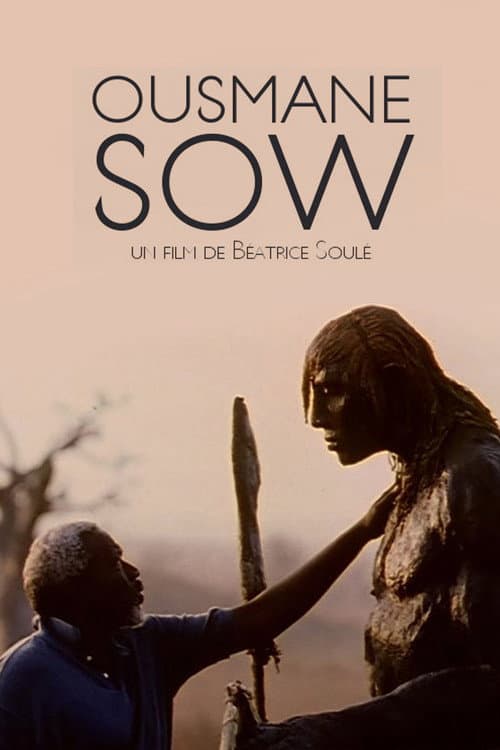
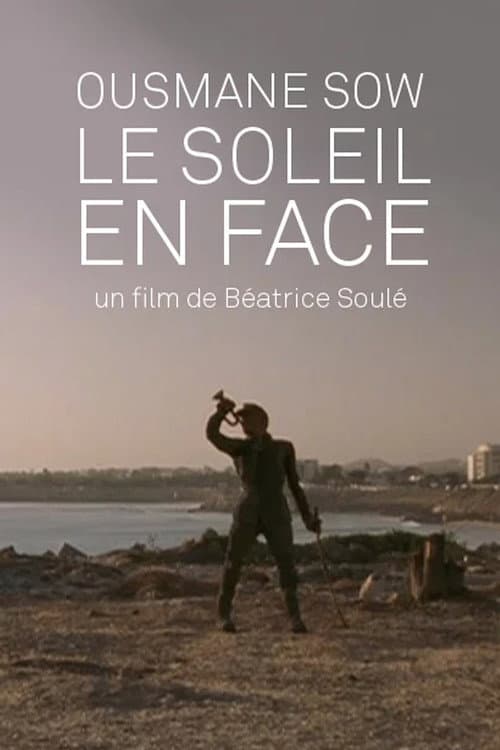
This is the story of time passing, at the slow pace of Ousmane Sow, and of time rushing by, from the birth of a work to its unveiling one spring day in Paris on the Pont des Arts. For a year, while preparing the exhibitions in Dakar and Paris, Béatrice Soulé witnessed the creation of Two Moon, Sitting Bull, Chief Gall, and Crazy Horse by Ousmane Sow—Sioux and Cheyenne chiefs who, gathered along the Little Bighorn River, won the most important Native American victory against the American army in 1868, a victory that led to the death of General Custer. In the intimacy of the sculptor's home in Dakar, a home itself a place of creation, she shares with us her emotion at seeing works emerge from the sand, works that seem to journey from death to life.
Oct 1999
This film is the result of a passion shared between Béatrice Soulé and Eric Serra, music composer of The Big Blue, for the exceptional talent of Doudou N'Diaye Rose, percussionist and rhythm teacher at the National Art Institute of Dakar. It was crucial for them to keep a track of the rhythm of the major drum leader of Senegal and they organized in the Island of Gnor a concert that this film restores us. Under the small amphitheater made of stone, the great virtuoso give us to see and listen to a great moment of joy because Doudou N'Diaye Rose dances as much as he drums. And for the fifty percussionists and one hundred members of the Julien Jouge's church choir, this is also the celebration of the bodies.
Jan 1992
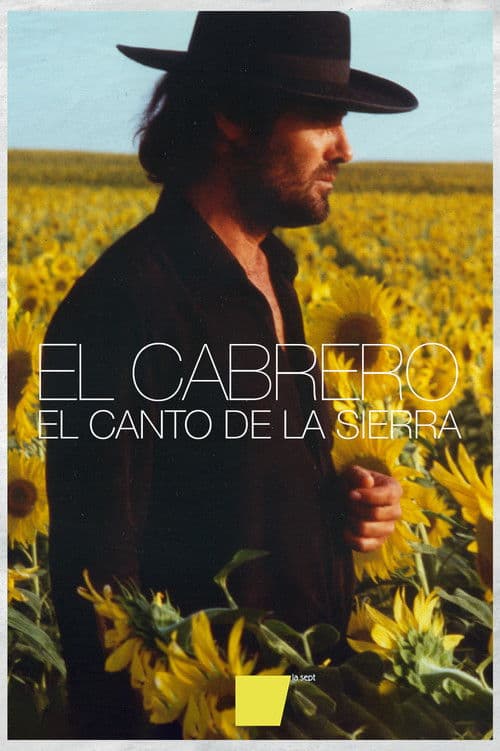
Documentary portrait of José Domínguez Muñoz, better known as "El Cabrero" (French for "the goatherd"), Spanish libertarian flamenco singer born in Aznalcóllar, province of Seville, in 1944 and filmed over two weeks in 1988 in Seville, Aznalcóllar, La Carbonería de Sevilla and Marinaleda, and in concert at a recital in Bayonne. Politically committed, El Cabrero defines himself as a libertarian. Since the 1970s, he has been close to the anarchist movement. For many years, he was a member of the anarcho-syndicalist Confédération Nationale du Travail.
Jan 1988