Menu
© 2026 The Couch Critic
Browse 39 movies from Third World Newsreel
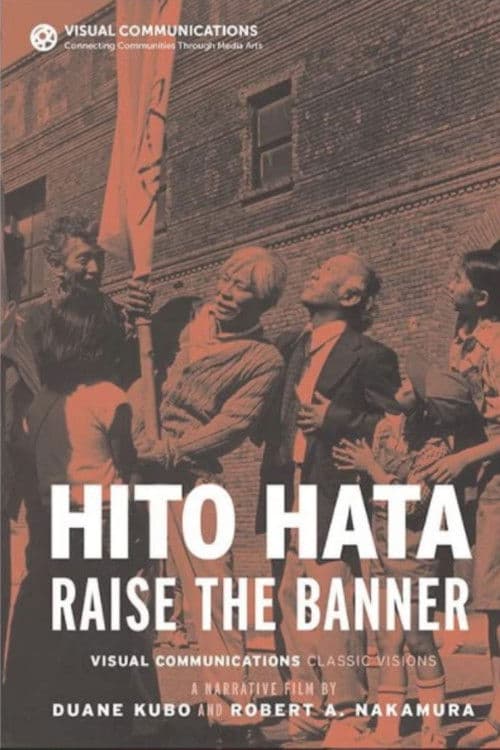
The film looks back at the life of a man named Oda and other Japanese Americans through the decades as they face great challenges and joys living in the United States.
Dec 1980
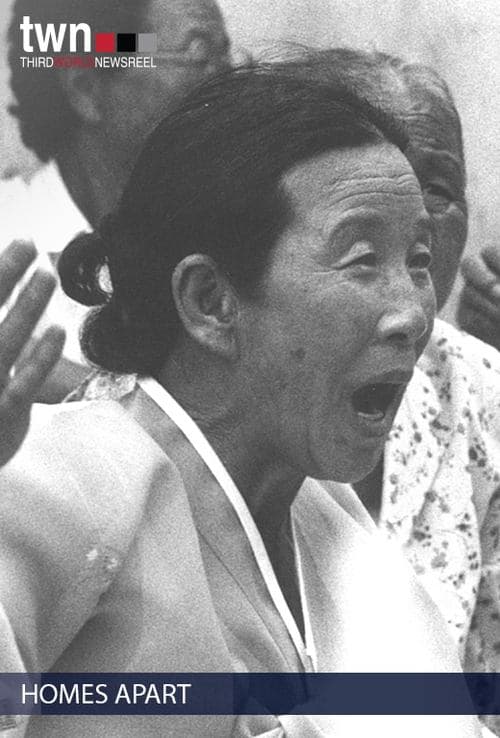
They speak the same language, share a similar culture and once belonged to a single nation. When the Korean War ended in 1953, ten million families were torn apart. By the early 90s, as the rest of the world celebrated the end of the Cold War, Koreans remain separated between North and South, fearing the threat of mutual destruction. Beginning with one man's journey to reunite with his sister in North Korea, filmmakers Takagi and Choy reveal the personal, social and political dimensions of one of the last divided nations on earth. The film was also the first US project to get permission to film in both South & North Korea.
Jan 1991
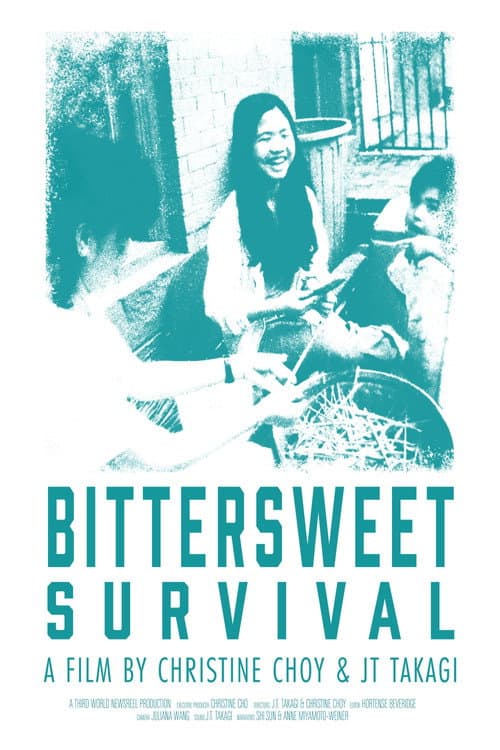
This documentary examines the re-settlement of South-East Asian refugees in the United States in the aftermath of the Vietnam War. The film begins with a montage of riveting footage depicting the devastating effects of the war. It then unveils the mixed reception given Vietnamese refugees in the United States, from battles with local fishermen in Monterey, California, to conflicts in Philadelphia where their arrival in the city's poorest neighborhoods kindled resentment in the Black community. The film also explores their struggle to cope with life in the U.S. and maintain their identity.
May 1982
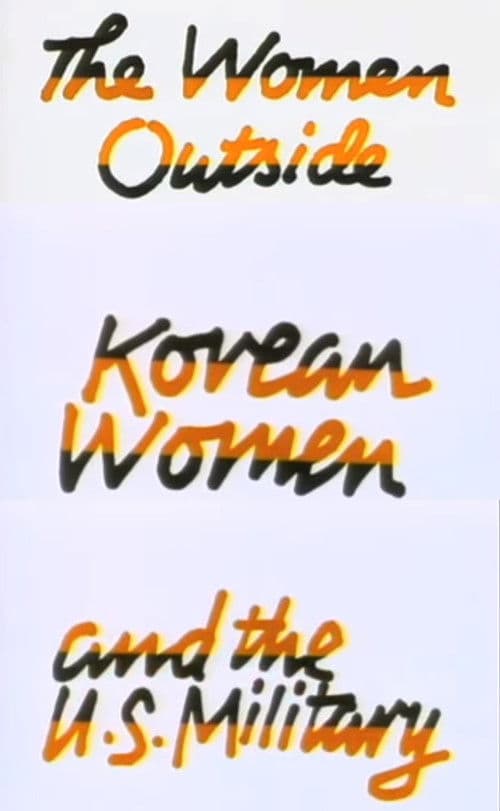
They're called bar women, hostesses, or sex workers and "western princesses." They come from poor families, struggling to earn a decent wage, only to be forced into the world's oldest profession. They're the women who work in the camptowns that surround U.S. military bases in South Korea. In 40 years, over a million women have worked in Korea's military sex industry, but their existence has never been officially acknowledged by either government. In The Women Outside, a film by J.T. Orinne Takagi and Hye Jung Park, some of these women bravely speak out about their lives for the first time. The film raises provocative questions about military policy, economic survival, and the role of women in global geopolitics
Jul 1996
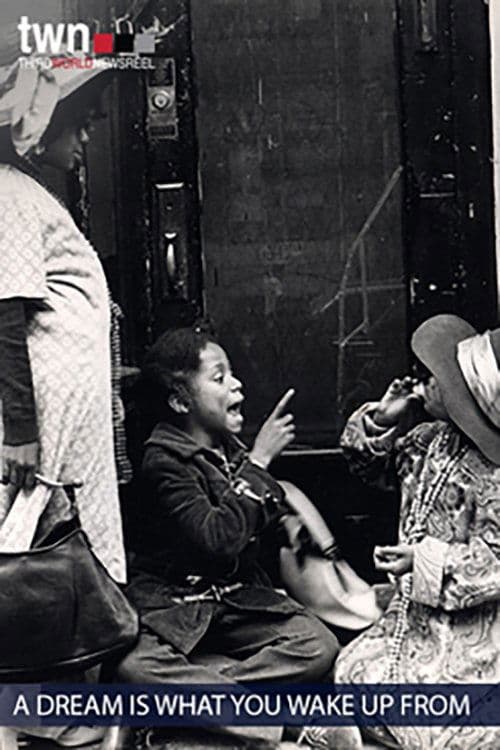
Three black families, observed in their daily lives, their thoughts, values, and aspirations expressed on the soundtrack, and their different approaches to the struggle for survival in contemporary society and their methods of coping with the contradictory stresses placed on the individual in the family environment.
Jan 1978
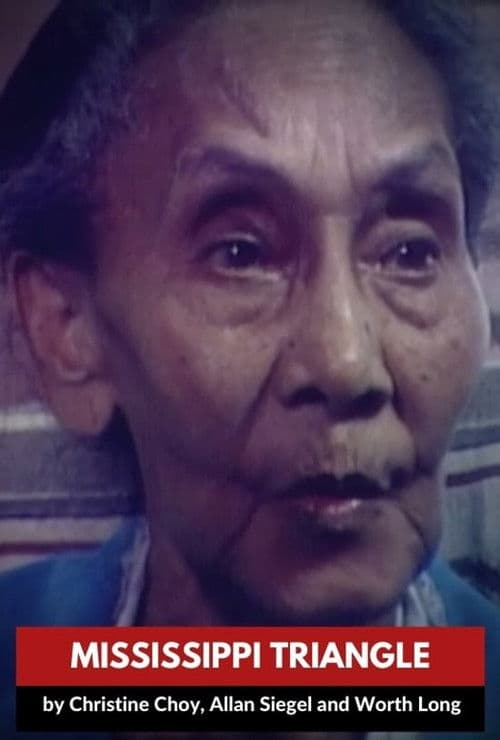
This is an intimate portrait of life in the Mississippi Delta, where Chinese, African Americans and Whites live in a complex world of cotton, work, and racial conflict. The history of the Chinese community is framed against the harsh realities of civil , religion, politics, and class in the South. Rare historical footage and interviews of Delta residents are combined to create this unprecedented document of inter-ethnic relations in the American South.
Jan 1984
Ragusa utilizes the female form as the terrain to examine recollections of a rape. The filmmaker emphasizes the manner by which identity and exoticism are played out on the level of the female body.
Jan 1992
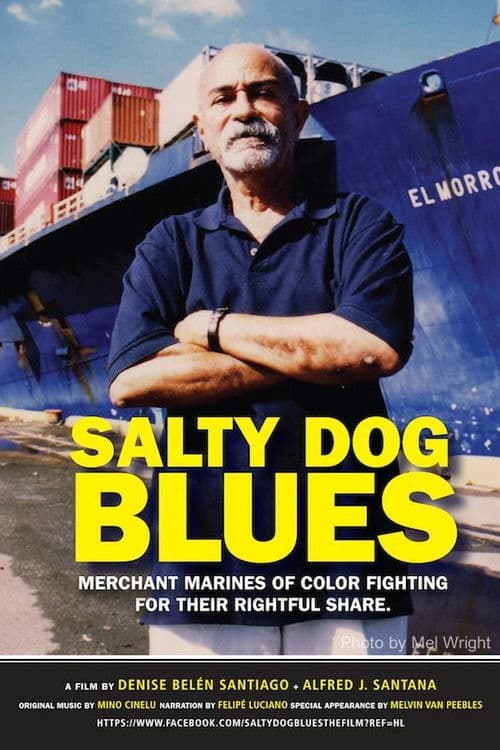
The film looks at men and women of color in the U.S. Merchant Marine from 1938-1975. Through chronicling the lives of these men and women who, with a median age of 82, are beset with a host of life-threatening illnesses, the movie tells how they navigated issues of racism, disparities in the workplace, gender and familial relations.
Jan 2012
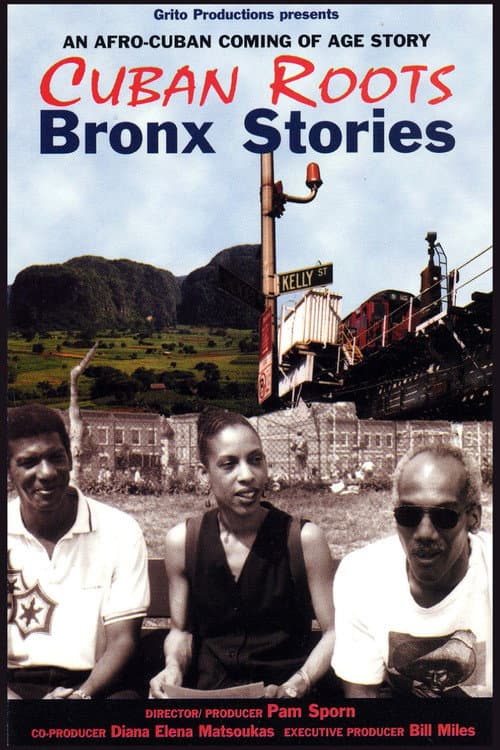
This documentary traces the tangled paths and multifaceted identity of a black Cuban family in the Bronx. The subjects of this film experienced firsthand some of the great historical events of the 20th century – they saw Castro’s arrival in Havana and had their neighborhood bombed in the Bay of Pigs invasion; one son fought in Vietnam and a daughter marched against it. Both working-class and professional, black and Latino, foreign and native, Spanish-speaking and English-speaking, the family is shown in the constant process of negotiating its identity. On their arrival in Miami, the family immediately encountered racial segregation, and as children in a mixed Puerto Rican/African-American neighborhood in the Bronx, they were forced by their playmates to choose their identity: “Are you black or Spanish?” Even the family’s roots in Cuba are complex - the grandfather was the son of Jamaican immigrants to Cuba – and their relation to the Cuban Revolution is ambiguous.
Jan 2000
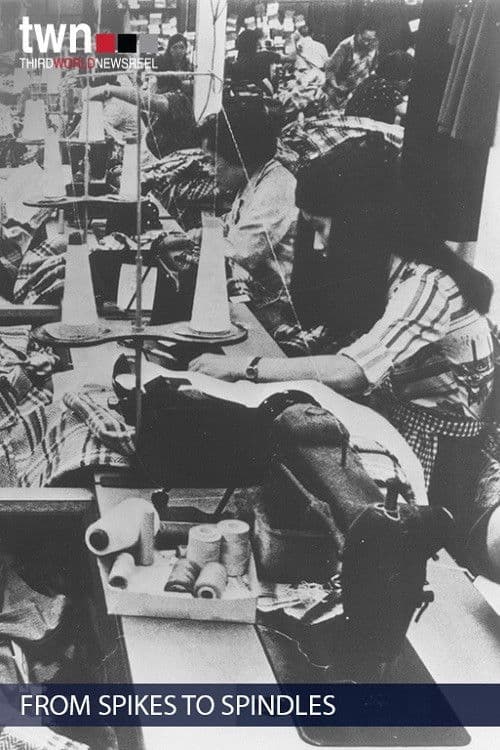
This raw, gutsy portrait of New York's Chinatown captures the early days of an emerging consciousness in the community. We see a Chinatown rarely depicted, a vibrant community whose young and old join forces to protest police brutality and hostile real estate developers. With bold strokes, it paints an overview of the community and its history, from the early laborers driving spikes into the transcontinental railroad to the garment workers of today.
Jan 1976
A critical look at the proliferation of the mail-order bride industry in Asia and its representations of Asian women in the West.
Jan 2002
Martin Luther King Jr.'s iconic speech captured by Third World Newreel
Jun 1963
In May 1974 a group of Mohawk activists reoccupied a part of their ancestral land and proclaimed it Ganienkeh. This abandoned territory was reclaimed by the Mohawks on the basis of a treaty with the State of New York enacted in the late 18th century.
May 1978
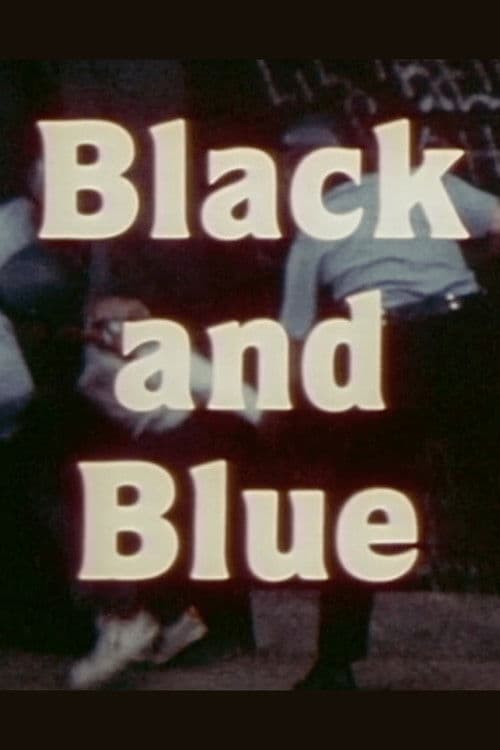
A film by Hugh King and Lamar Williams - a powerful mix of archival material, news clips and documentary footage chronicles impassioned community response to decades of deadly force against people of color by members of the Philadelphia police force. Community leaders, politicians, police officers, survivors of police brutality and sympathizers unravel a pattern of biased violent police behavior from the tenure of Police Commissioner Frank Rizzo to the bombing of Osage Avenue. This documentary is a testimony to long-standing tensions between police and people of color in communities throughout the United States.
Apr 1987
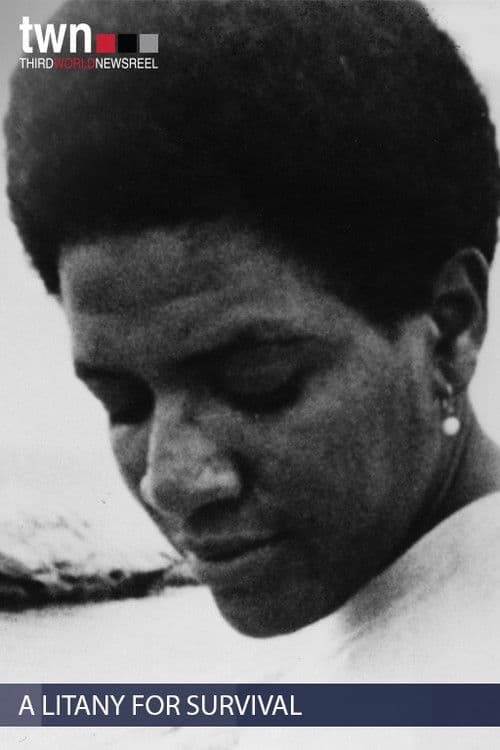
The career of iconic and influential poet and writer Audre Lorde is seen up until death.
Jan 1995
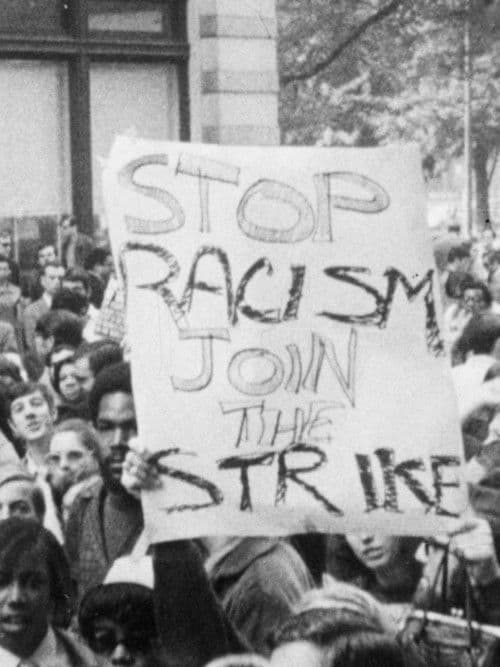
As students take to the streets in New York and Berkeley, the state violence that follows illustrates Chicago Mayor Daley's thesis that the police are there "to preserve disorder".
Jan 1968
THE LOWER 9: A STORY OF HOME showcases four determined Lower Ninth Ward residents who share their most intimate stories of home, as they resume their lives years after Hurricane Katrina ravaged their neighborhood. Each story finds a voice in a narrative that intersperses contemporary interviews, abstract cinematography of destruction, and powerful scenes of present, everyday lives.
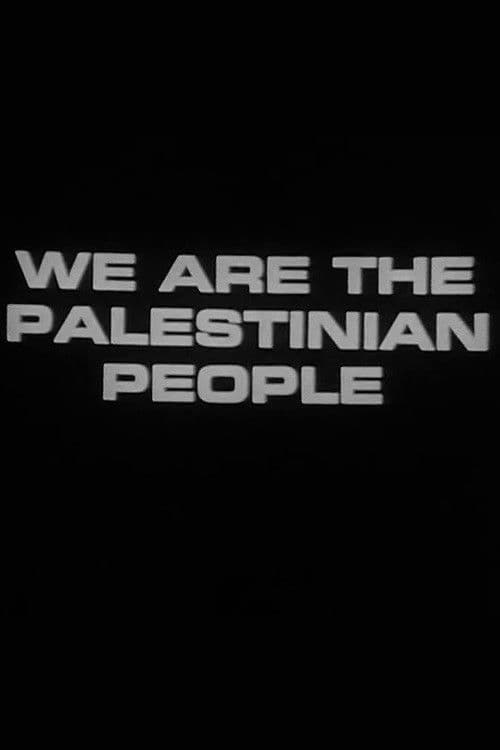
Filmed in Palestine by Newsreel, WE ARE THE PALESTINIAN PEOPLE shows the refugee camps of the Middle East, the rise of the Palestinian Liberation Movement and Israel's relation ship to the Western imperialism. There is footage of the guerrillas in training, and interviews with Palestinian leaders and militants who work in many programs of the liberation struggle of the time.
Jan 1973
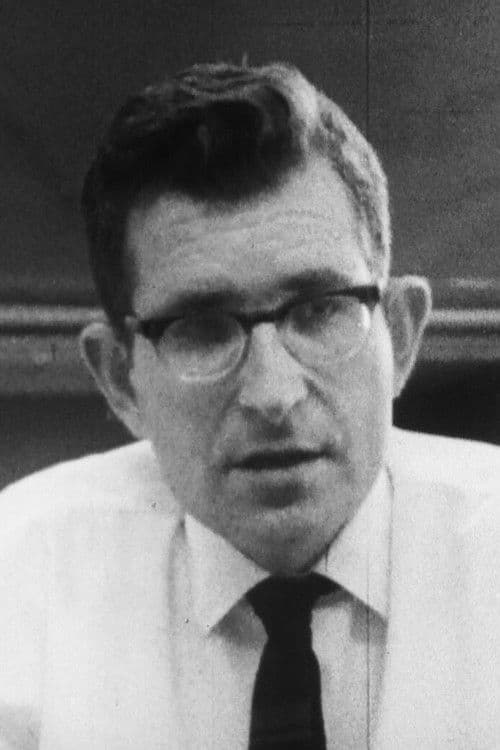
This short film offers a rare look at Noam Chomsky in the late 1960s as he speaks candidly about the war in Vietnam and articulates critiques that have an eerie resonance in the present day. Includes a draft-refusal demonstration, and material about the indictments against Benjamin Spock, William S. Coffin Jr and others.
A film exploring the intersections of race and gender with regard to fatphobia.