Menu
© 2026 The Couch Critic
Browse 13 movies from Kinopoezd Soiuzkinokhroniki
A film report produced on Aleksandr Medvedkin's Kino-train, addressing the problems of living conditions in the October Mine in the Krivoi Rog region - a mine that, according to Medvedkin, was so improved by the experience of the kino-train that it subsequently became the most successful mine in the region.
Dec 1932
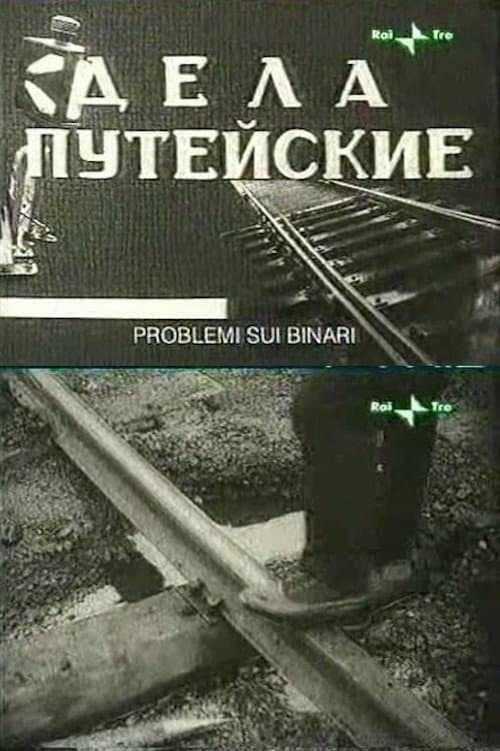
Cine-train short about railway work and corruption.
Oct 1933
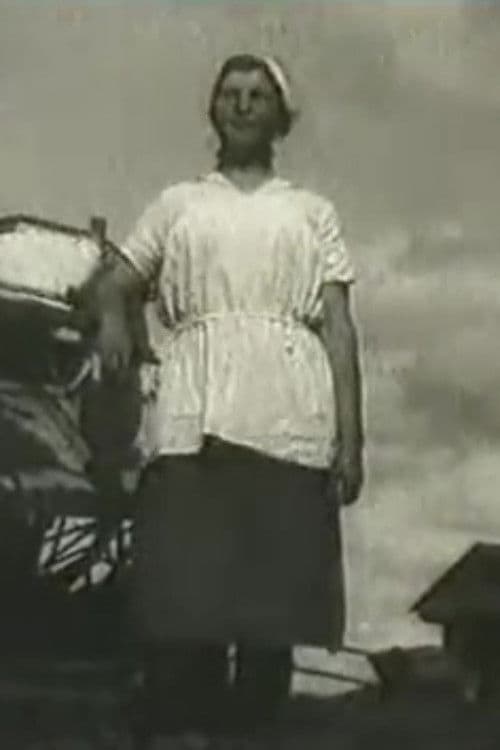
A lazy farmer Tit takes the only job he can do: being a scarecrow in a field. Original movie is lost but in 2000 it was reconstructed by Nikolay Izvolov based on Medvedkin's script and drawings.
Jan 1933
Armavir District. Sovetskaya Stanitsa. Views of buildings, streets, houses. Harvesting grain, haymaking. Collective farm workers at work in the fields and on the pig farm; during rest: they produce a wall newspaper, listen to the radio, phonograph, and dance.
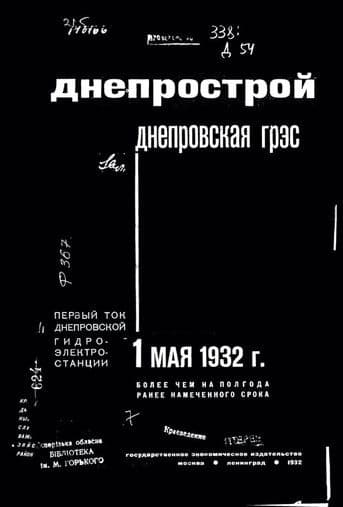
A celebration of the signal industrial project of the first Five-Year Plan, featuring everyone from old man Kalinin to French author Henri Barbusse. A Kinopoezd – Cinetrain production.
Oct 1932
Abkhazia. Work at the coal mine.
Jun 1935
The only surviving film from the first trip of Aleksandr Medvedkin's Kinopoezd (film train). A 'film-newspaper' demonstrating one key aspect of the train's work: the desire to encourage shame. In it, poor workers are named and shamed outright and local leaders are filmed at a lengthy and ill-focused meeting, ignoring the urgent demands of the work that surround them.
On the cultivation of Georgian tea.
Oct 1935
On the work of the veteran railway workers of Ukraine.
A female correspondent of the newspaper Pravda Vostoka in the family of locomotive engineer G. Ya. Lukov; viewing family photos of the Lukov family. G. Ya. Lukov's son, who works at a factory in another city, writes a letter to his father. A group of men repairing the locomotive. A poster: 'Lukovets is a locomotive engineer who mastered the highest wisdom of locomotive work.' Young locomotive engineers, Komsomol members, competing in labor with G. Ya. Lukov.
A farmer challenges his comrades to raise production and fight the kulaks who resist the new order. A Kinopoezd - Cinetrain production.