Menu
© 2026 The Couch Critic
Browse 242 movies from Mafilm
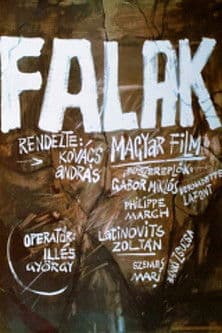
The engineer Ambrus has been suspended in his job because he publicly called the attention of the customers to a construction mistake of some goods designed to be exported. His immediate boss learns the news on a business trip to Paris. He meets his old friend Lendvay, an emigrant from Hungary, and his French wife in a cellar bar. After their talk Benkő starts seeing things in a different perspective. When he returns home, he decides to take a stand for Ambrus against Ferenczi, the general director, despite his wife's and the old director's advice.
Feb 1968
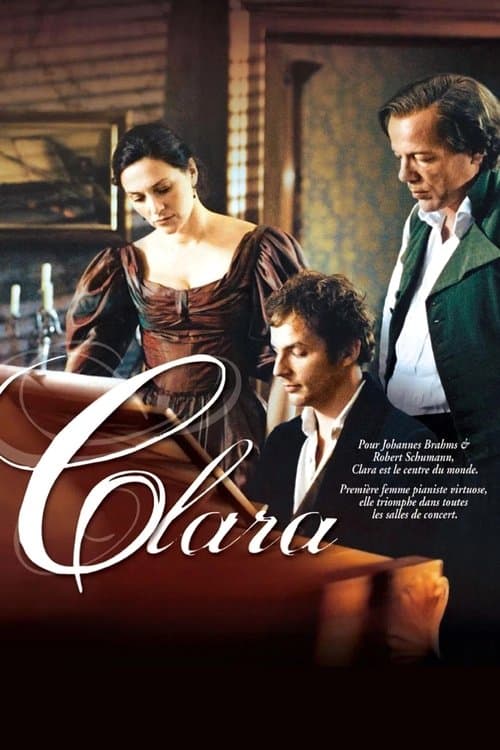
A look at the lives of 19th-century composers Clara and Robert Schumann.
Nov 2008
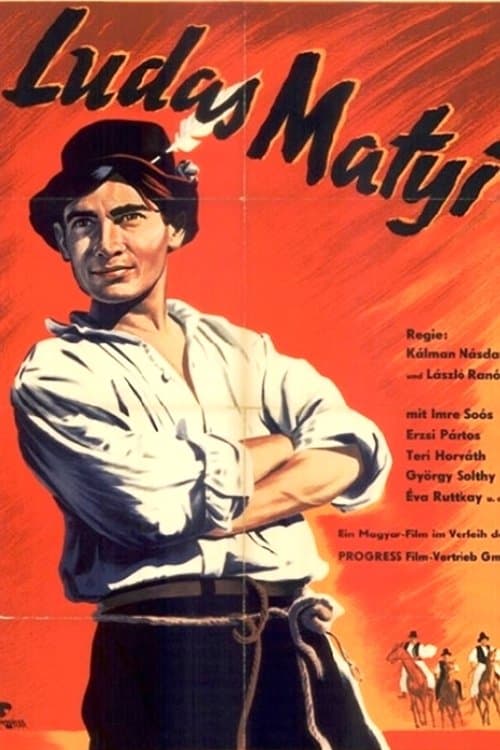
A young peasant boy stands up to tyranny, aided by his trusting friend- a goose.
Feb 1950
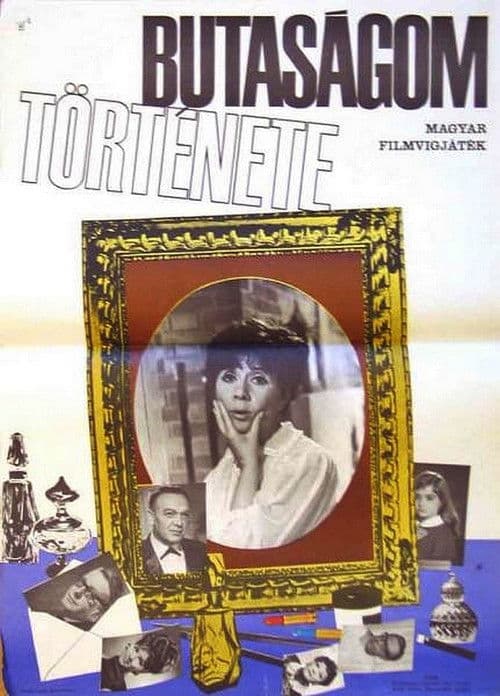
The celebrated actor considers his wife a nitwits actress of a mediocre talent. But an influential playwright, a friend of theirs, has written a play with the main role designed for her, Kati, particularly. Its title is "The Most Intelligent Woman in the World". On the day of the first night performance Kati recalls their past, the times she had together with her husband.
Jan 1966
The scene is Ukraine. In 1943, after the Hungarian' defeat at the river Don, soldier Balogh decides to visit his family.
Aug 1974
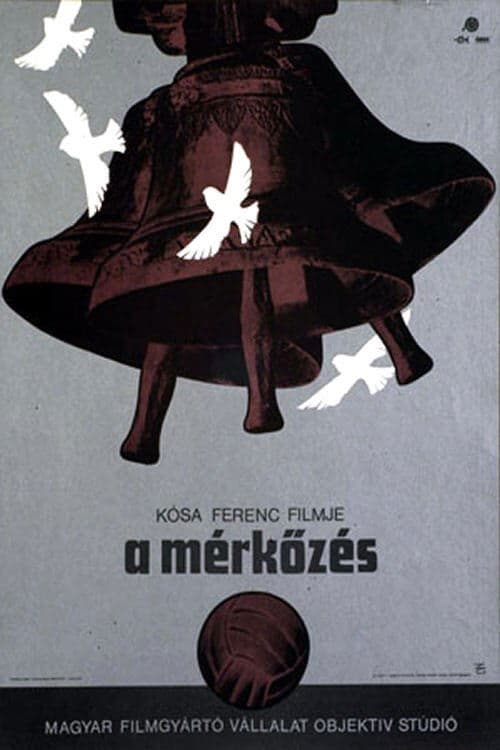
Summer of 1956. In the small town in the Hungarian country-side, during the time the chief of police spends in a course in Budapest, Rigó Dezső is the boss with full powers. He is fighting tooth and nail to help the local football-team stay in the second national selection. During one of the matches, he beats the referee to death.
Aug 1981
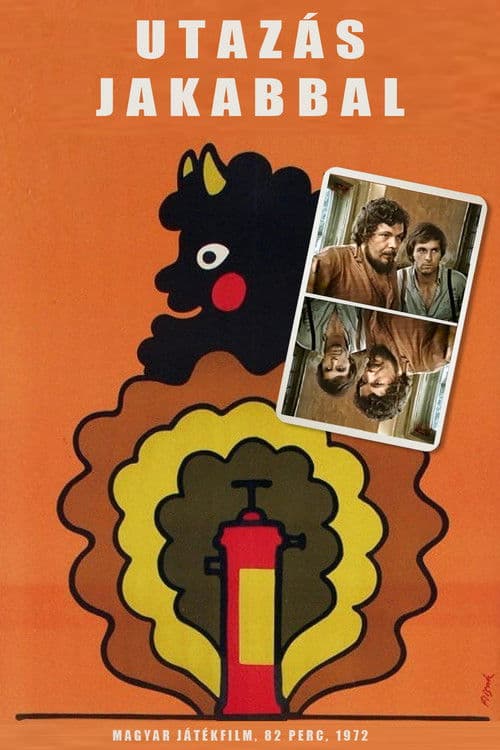
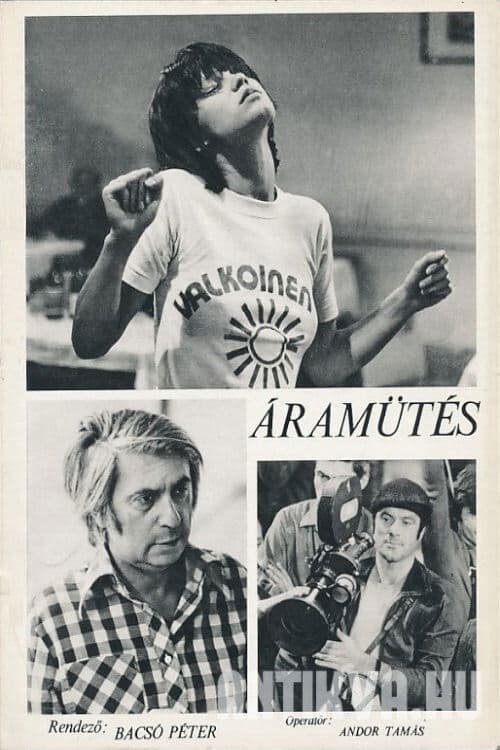
István and Jakab are fire-extinguisher experts. They travel the country to check fire-extinguishers at country factories. During their tours of inspection they chase women, drink in dirty pubs and live in clover.
Aug 1972
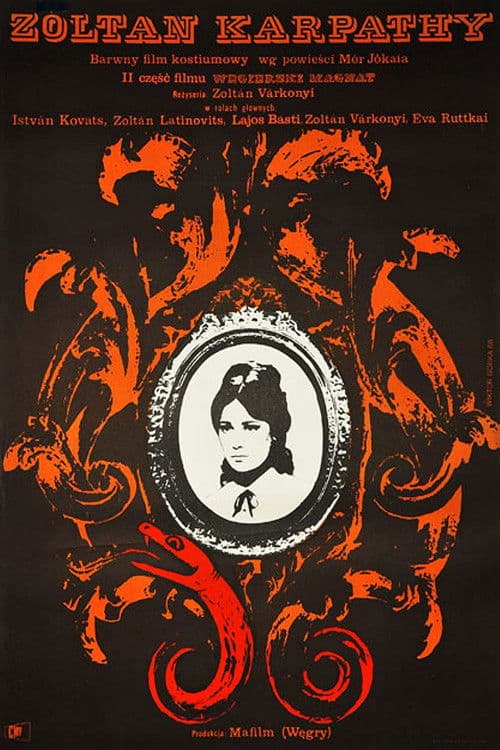
On the novel by Mór Jókai. The first half of the XVIII century. Several decades of life of a noble family Karpati.
Dec 1966
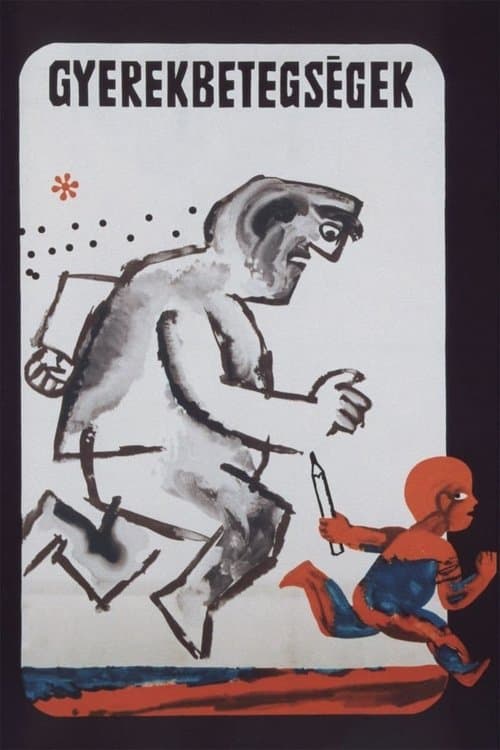
An action packed, brightly colored film depicting the adventures of a six-year-old boy attending school for the first time. He befriends a little girl, Zizi, who becomes his constant companion in a child's world of discovery.
Dec 1965
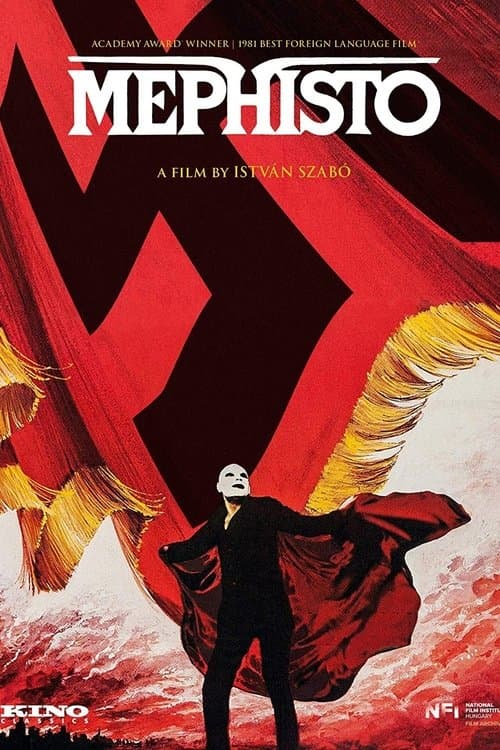
A German stage actor finds unexpected success and mixed blessings in the popularity of his performance in a Faustian play as the Nazis take power in pre-WWII Germany. As his associates and friends flee or are ground under by the Nazi terror, the popularity of his character supercedes his own existence until he finds that his best performance is keeping up appearances for his Nazi patrons.
Feb 1981
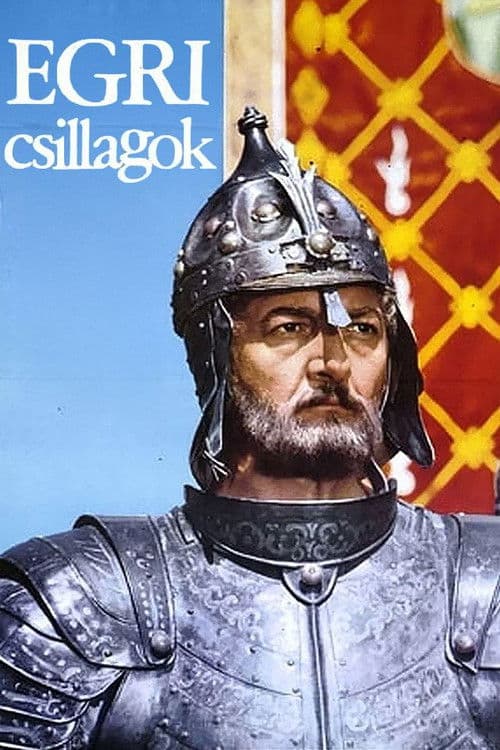
This romantic and grandiose historical film depicts the era of the constant incursions and heroic battles fought by the defenders of the castle of Eger, led by captain István Dobó, against the heavy odds of superior numbers through the lives and love of Bornemissza Gergely and Cecey Éva. Gergely is inaugurated as a fighter already at the age of 7, when he escapes the captivity of the half-eyed Turk, Jumurdzsak, with Vica and the war-booty. In thirty years' time he becomes the first assistant of captain Dobó and the brain of the castle in the defence of Eger.
Aug 1968
Set during the fading glory of the Austro-Hungarian empire, the film tells of the rise and fall of Alfred Redl, an ambitious young officer who proceeds up the ladder to become head of the Secret Police only to become ensnared in political deception.
Feb 1985
This double-threaded story depicts the lives of a sister and a brother in a critical phase of their lives. Virág participates in a tour of the collage choir to Finland. Upon her return home she refuses the assistance offered by Vince, leaves the collage and aborts her child by a young Finn.
Aug 1979
This Hungarian film chronicles the slow deterioration in the life of Juli, a farmer's wife. As the countryside grows ever more deserted because people are moving to towns or large collective farms, she spends more and more time alone. Despite her best efforts to appreciate her situation, her despair grows. The loneliness is briefly interrupted when she and her husband take in an old woman and care for her, but the woman dies. Shortly after her son visits, she is killed in an accident which may have been a suicide. ~ Clarke Fountain, Rovi
Apr 1972
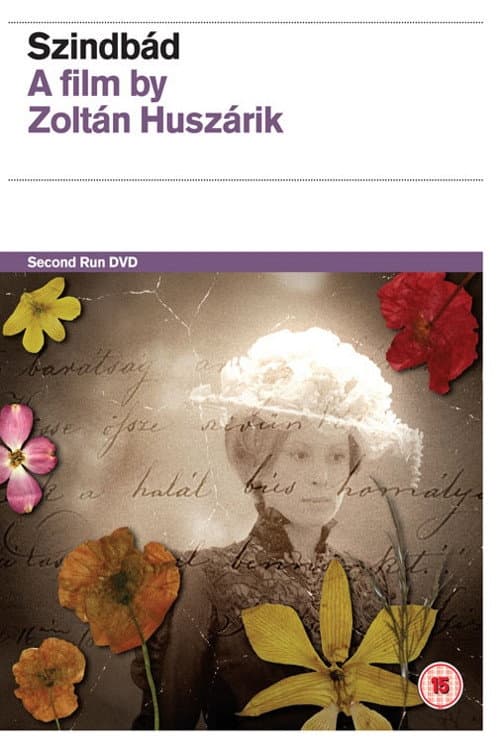
Based on the stories of Hungarian writer Gyula Krúdy, this film is a lush and sensuous depiction of the life, loves and memories of serial seducer Szindbád. As the protagonist looks back on his life, past and present, imagination and reality flow inseparably into one another.
Nov 1971
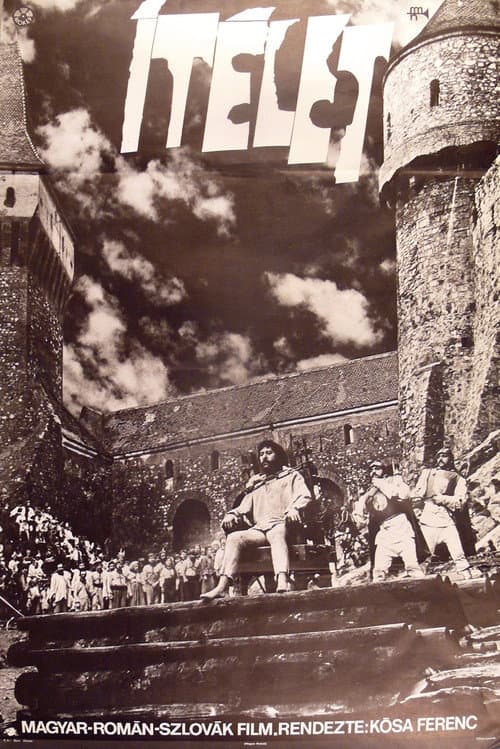
The film is a historic parable about the topicality of revolution. 1514. The peasants' uprising is over, Dózsa has been arrested. Werbőczy tries to get the imprisoned peasant leader deny the revolution and offers him the lives of his people in exchange.
Apr 1970
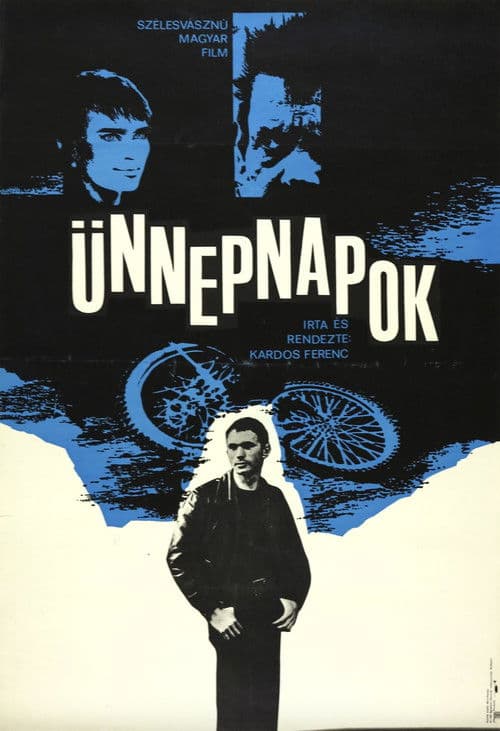
Mihály, a retired foundryman has brought up his sons in a very disciplined and strict way, and as a result they have become a doctor, an engineer, and a teacher. However, his half orphan grandson, Misi, has been spoilt, and become skilled in nothing else really but riding his motorbike and going to parties. He has been involved in shady businesses a number of times already. Having experienced so many difficulties, privation and hardship in his own life and now seeing Misi's irresponsible lifestyle, the old man's bitterness is growing day by day.
Jun 1967
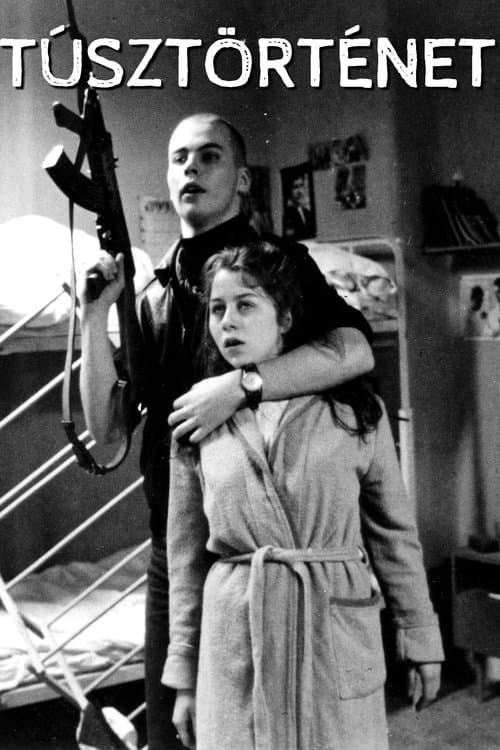
In a border town two sons of the local commander using stolen arms take hostages of eighteen girls in a dormitory, because they want to go West by plane.
Apr 1989
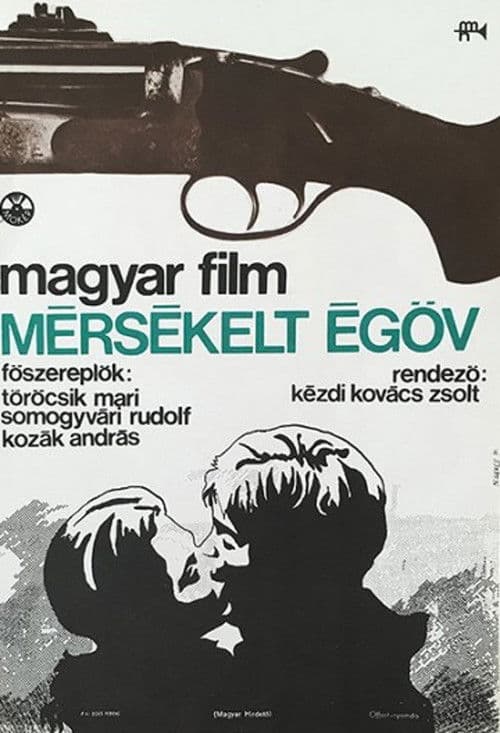
Kalán Imre, the district doctor lives in a small village surrounded by mountains. One day he is visited by two young relatives of his and their friend, a doctor at the beginning of his career. The name of the doctor is Király András, and he happens to be the great love of Kalán's young wife from her unmarried years. The orthodox Stalinist Kalán's entire life is filled with his great passion, hunting. The suffocating, narrow lives of the prominent people in the area are slowly revealed to András.
Aug 1970
The tragic medieval tale of a man of inhuman strength, fierce temper and a desire for noble knighthood. While on the run as a murderer, he finds new life as a knight, only to face disillusionment, the horrors of war and ugly human vices.
Aug 1984