Menu
© 2026 The Couch Critic
Browse 48 movies from Palette Productions
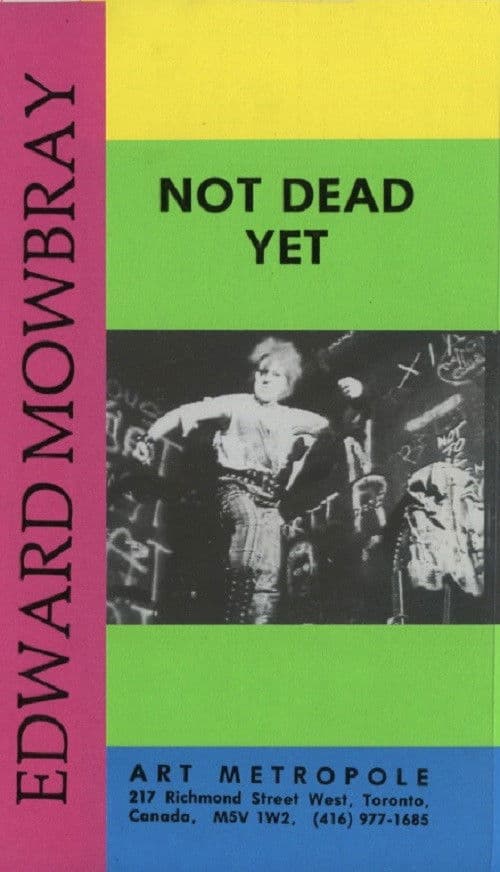
A fast-paced documentary about a second generation of punk rockers living in Toronto. It offers insight into this segment of culture by videotaping in the streets, bars, and homes of punks. Conversations are intercut with the music of the punk bands at the core of the scene.
Jan 1983
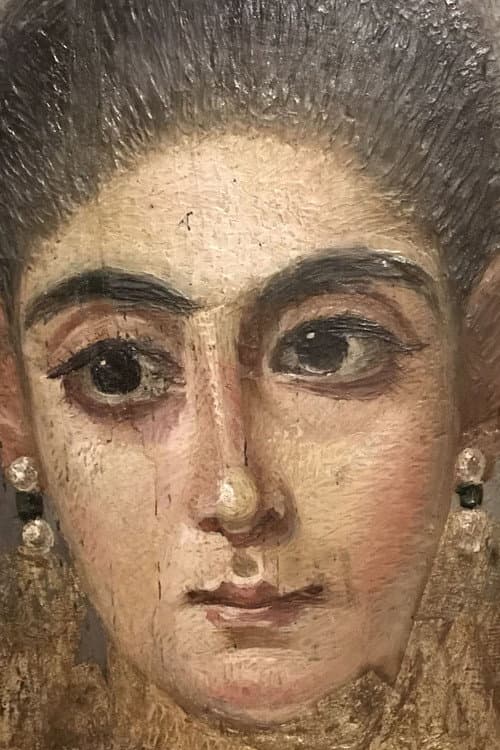
Using a funerary portrait from the Fayum preserved at the Louvre Museum, this documentary explores the art of portrait painting in Roman Egypt during the 2nd and 3rd centuries AD. These strikingly realistic faces, painted on wooden panels and placed on mummies, reveal a multicultural society shaped by Egyptian, Greek, and Roman traditions. Through this single portrait, the film reflects on identity, memory, and the human relationship to death.
Nov 1998
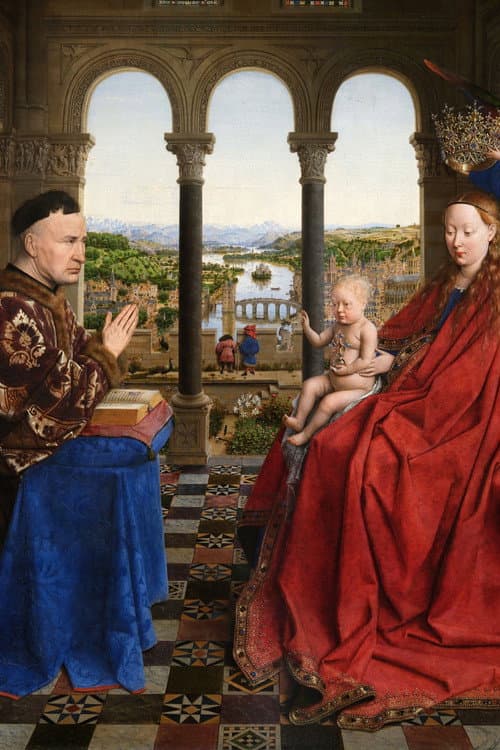
Let us travel back to the 15th century and imagine the interior of the workshop of the painter Jan van Eyck: a porter delivers a wooden panel, one assistant grinds pigments, another mixes them with linseed oil, and a third arranges them on palettes. It is in this environment that Jan van Eyck was able to paint The Virgin and Child with Chancellor Rolin, a small-scale work depicting the Virgin Mary seated on a blue cushion embroidered with gold, holding the Christ Child on her lap, facing a man in his sixties who clasps his hands in prayer.
Jan 1989
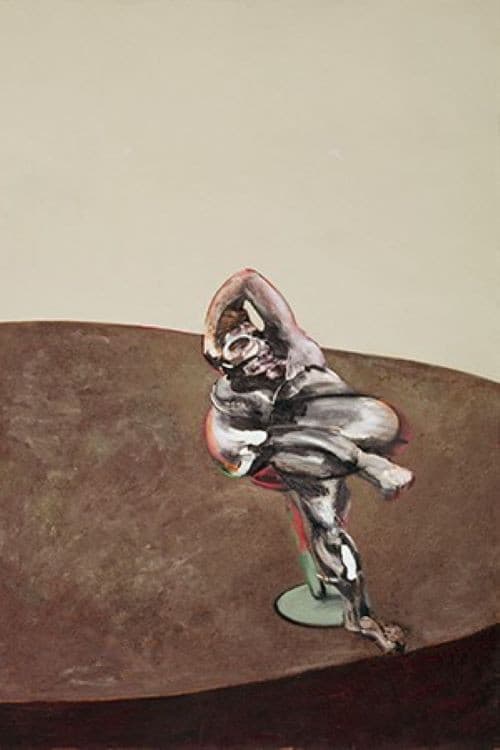
A plunge into the strange and fascinating world of Francis Bacon, whose painting struggles to exorcise violence and death. The anguished and very intimate universe of one of the greatest 20th century painters reveals multiple allusions to classical painting.
Jan 1995
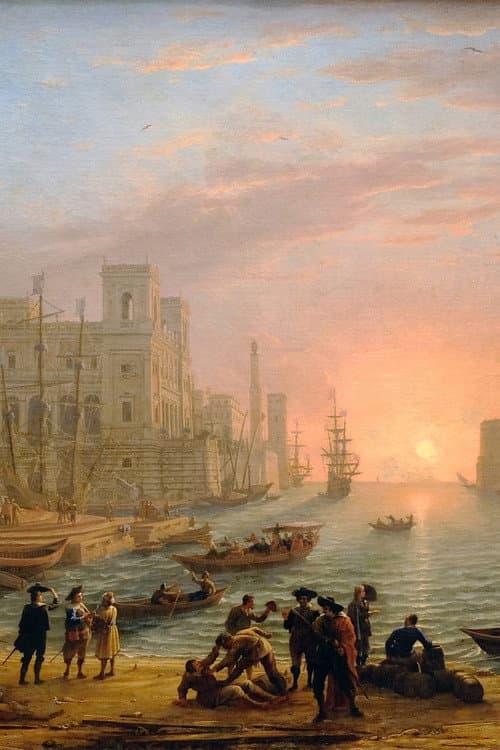
A harbor illuminated by the setting sun in a city of Italian style. On the left, a small temple topped with a clock. In the background, a large Renaissance villa with its four corner towers. On the right, sheltered by a small fort, a large basin reveals a row of tartanes. In the foreground, a shore where two ships are anchored. All around the port, figures stroll, gather, and converse. Positioned high, the viewpoint suggests a spectator looking down over the scene. A perspective effect is created by the convergence of lines toward an area near the center. Colors, the spacing of objects, grazing light, and the perspective of the architecture all combine to produce a powerful illusion of depth. The low sun generates numerous color combinations and transforms the relationships between the usual tones of objects.
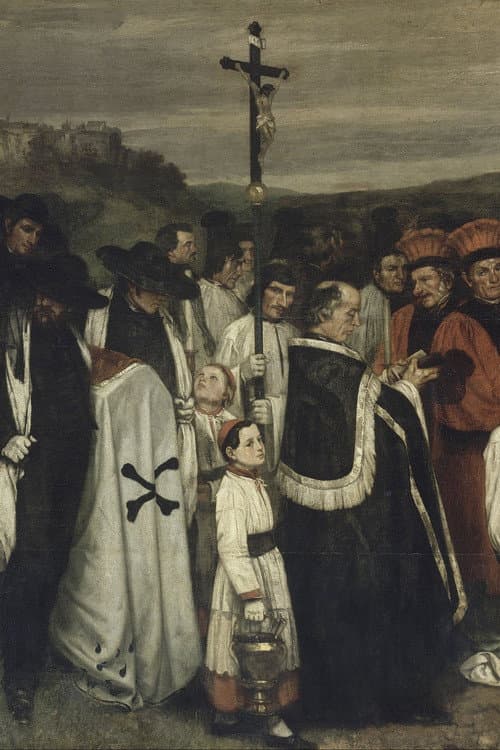
Who were they burying that day in Ornans ? A gathering of ordinary people, a priest, altor boys, all inhabitants of Courbet's native village. The secrets of a simple funeral ceremony which nevertheless created a scandal in the 1851 Salon.
Jan 1996
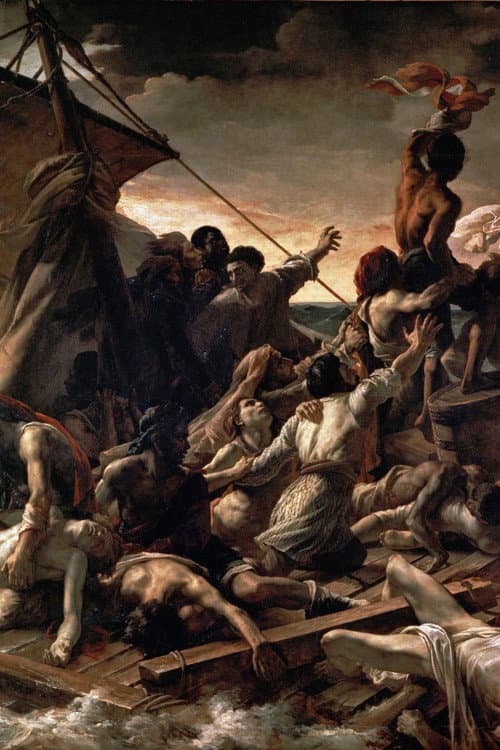
By painting his monumental work The Raft of the Medusa, completed in 1819, Théodore Géricault elevated a news event to the level of modern history painting. A denunciation of cowardice, an admission of human brutality, a fascination with disaster—this ambiguous and unclassifiable work that obsessed the painter echoes one of the greatest scandals of the Restoration and, at the time, creates a new aesthetic.
Jan 2002
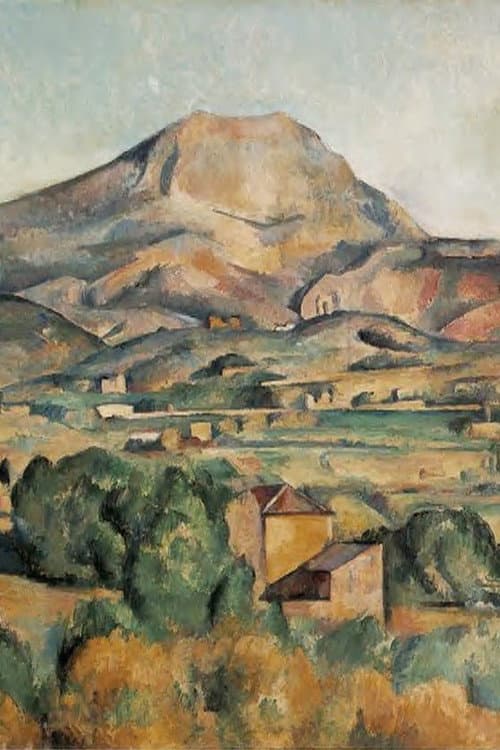
Born in Aix-en-Provence, Cézanne returns to settle there after some journeys elsewhere. He takes as his motif the Sainte-Victoire mountain close by and paints it more than sixty times in different ways and at every time of year. A strange kind of obstination which it was necessary to examine again.
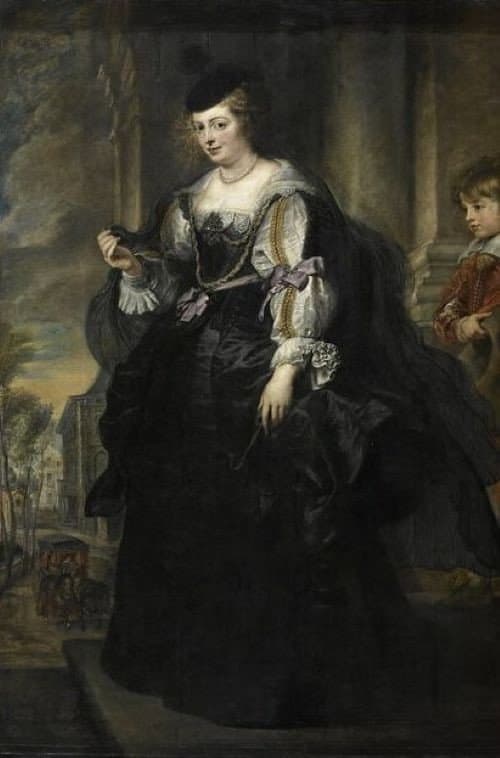
In 1630, Rubens who is settled in Anvers marries in a second marriage Hélène Fourment. In the huge studio he has had built, he paints several portraits of Hélène, in the garden, in furs, in a carriage, which are minutely analysed in this film. For he does not content himself with making a simple portrait but tries to portray she whom her admirers had compared to Homer's Helen and to transcribe in allegoried form, all the attributes of the femininity.
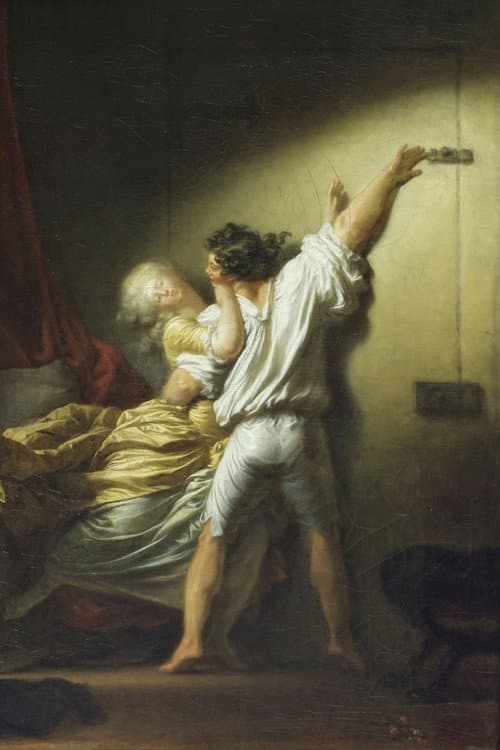
An image that appears ordinary, with a highly explicit subject, can carry troubling undertones. Is it not most strange that this painting may have been created during a religious scene? This final variation on the opposition between sacred love and profane love brings several centuries of religious painting to a close and opens a new era: eroticism is no longer the domain of ancient gods but is shared here and now, in the most everyday setting. With Fragonard, the bedroom and the bed become the most fantastical settings, where accessories—lingerie, cushions, drapery—reshape, on the margins of the action, the folds and recesses of a new, metaphorical geography of love.
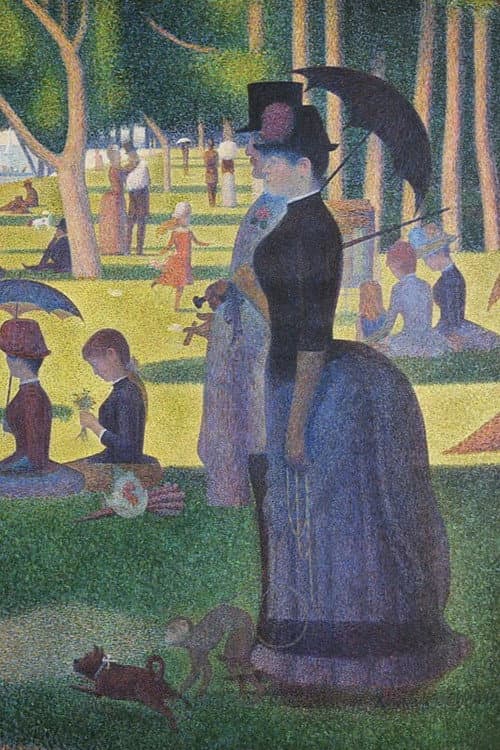
A century later, Alain Jaubert rediscovered the exact location where Seurat prepared his painting, as well as the studio where he completed it. In March 1886, the eighth and final Impressionist exhibition took place. A 26-year-old unknown artist, Georges Seurat, exhibited a very large canvas there, A Sunday Afternoon on the Island of La Grande Jatte. A striking light—born of a long reflection on the origins of color perception—a multitude of tiny dots, a landscape treated in a classical manner yet populated with caricature-like figures: the painting caused a scandal. It would give rise to the Neo-Impressionists, or more commonly, “pointillists.” Above all, it would leave a lasting mark on later generations—Fauves, Cubists, and Futurists. Van Gogh himself was deeply influenced by the discovery of Seurat.
Jan 1991
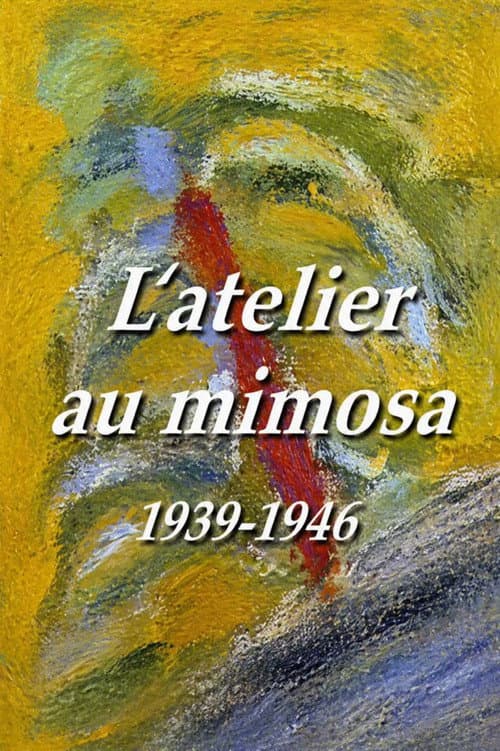
A square format market by the rhythms of its many obliques (the frame of the glass window, the guardrail in the foreground) and its brilliant colours (ultramarine, emerald, orange, pink and the bright yellow of the mimosa), L'Atelier is one of Bonnard's last great paintings. It is also one of his masterpieces, magnificient and enigmatic, meriting in itself a detailed analysis.
Jan 1998
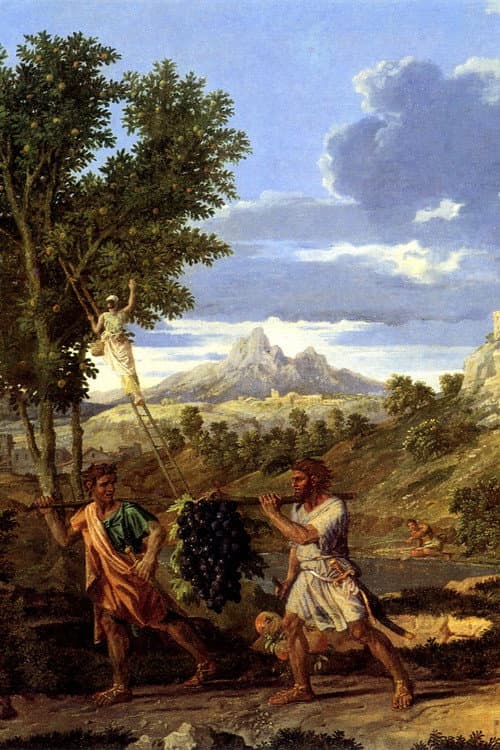
During his final years in Rome, Nicolas Poussin painted four works for the Duke of Richelieu evoking the seasons. Considered the painter’s pictorial testament, this series is the culmination of a technically mastered art, a true synthesis of all the elements of the artist’s late style, while also revealing signs of age and illness in its tiny, trembling brushwork. Faithful to Venetian chromaticism, Poussin creates surprising plays of color closely tied to the meaning of each painting. The Four Seasons also represents the four phases of Redemption, the four parts of the day, the four ages of human history, and above all, four biblical episodes: Spring, the Garden of Eden; Summer, the meeting of Ruth and Boaz; Autumn, the bunch of grapes brought back from the Promised Land; and Winter, the Flood.
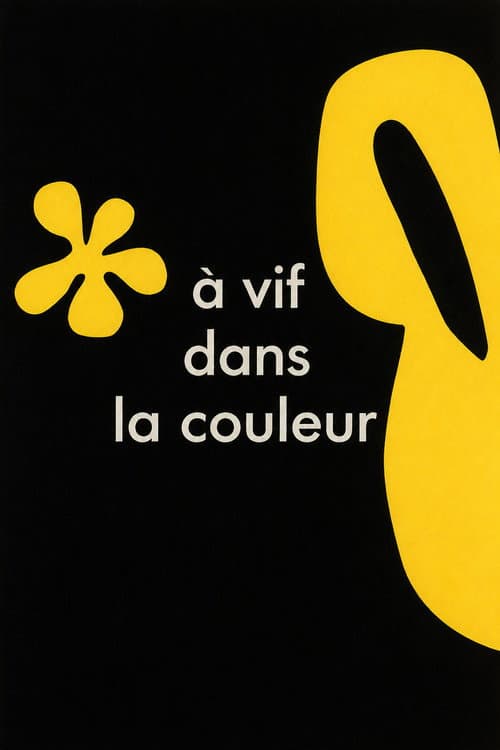
Composed in Nice, at the Hôtel Régina where the painter had been living since 1949, The Sadness of the King, a 1952 painting nearly four meters by three, is one of the last great works of Matisse. It was created using the cut-paper technique: the painter, immobilized by illness, cuts shapes from sheets of paper previously coated with gouache. He directs an assistant who pins them and moves them on the wall until the desired balance is achieved. Scissors, handled with dexterity, thus henceforth replace pencils and brushes. The pure tones used in the composition eliminate all shading and allow the painter to play solely on the relationships between colors and, above all, on contrasts: black and white (considered by Matisse as colors in their own right), red and blue, green and yellow...
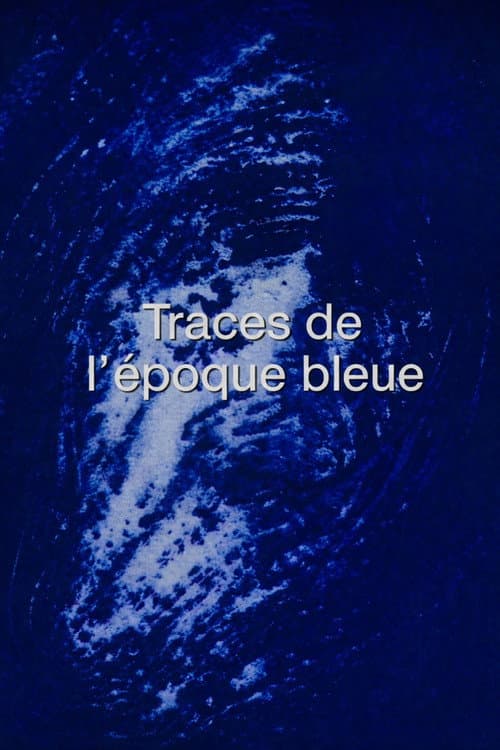
Blue period, blue traces, blue sponges... Yves Klein deserved his nickname of "Yves the monochrome". Even though he used many other colours, it is the colour of the sky that he chose above all, used over and over again and that he made into not just a mode of expression but a sort of spiritual energy. Klein had the idea of using directly the naked bodies of his models as "living paintbrushes", inventing by his strange sessions, between ritual and striptease, a whole catalogue of new forms. At the same time, intuitively, almost naively, he went through both the history of legendary pictures, the history of the peculiarities of nature and the noble history of nudes in painting. The Anthropométries are both a meditation on imprint, trace, disappearance and coloured variations on the theme of incarnation.
Jan 1997
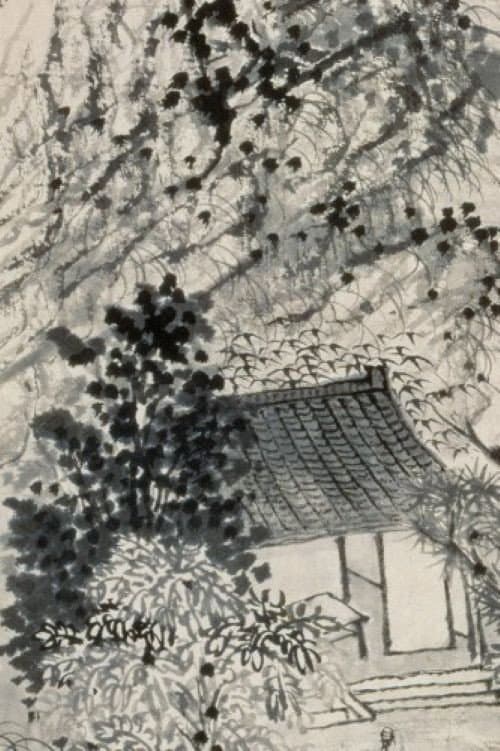
Shitao, one of the most skilled painters of his time, was deeply imbued with Buddhist spirituality, as he was forced to take refuge in monasteries from a very young age. His painting relies on the simplicity of line and the pure white of the paper. Here, a mountain landscape is rendered in ink on rice paper mounted on a silk scroll. Beneath the apparent simplicity of the subject unfolds a whole universe of hidden correspondences that one must learn to decipher.
Jan 1999
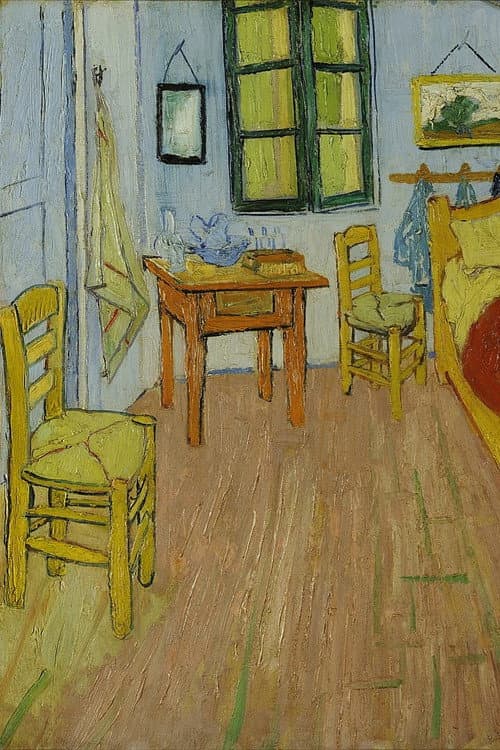
In october 1888 Vincent Van Gogh who has been living for eight months in Arles, paints his room. A year later, when he is at the Saint-Paul de Mausole Hospice near Saint-Rémy, he feels compelled to paint two copies of this picture which he is especially fond of. It is deliberately simple and yet seems very strange. Vincent wanted to see it as a symbol of rest but the objects in it seem to retreat and space seems to become deformed. Detailed researchs, as in the series "Palettes" has made it possible to reconstitute exactly the room in Arles. Vincent painted it in fact with the detail which fascinated him in the work of the old Dutch Masters. But he brought to it the extraordinary gift of his brush stroke and his new range of colours. That autumn, between the sunflowers, the harvest and the room in Arles Vincent reached the "higt note in yellow".
Jan 1994
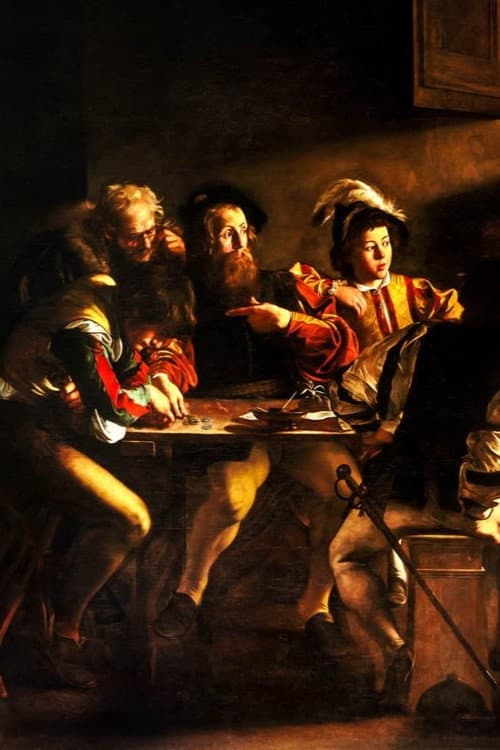
It was a French prelate who commissioned the decoration of the Contarelli Chapel in the Church of Saint Louis of the French in Rome, dedicated to his patron saint, Matthew. But he died long before he could know that the result would be three paintings, executed with astonishing speed around 1600 by a young Lombard painter known as Caravaggio, who was thereby creating his first religious cycle. The faithful enter between two large canvases facing one another: The Calling and The Martyrdom of Saint Matthew. On the high altar is a third, smaller work: Saint Matthew and the Angel. Three episodes intended to edify the Catholic conscience of the French pilgrim and to inspire emulation through the power of the image, in accordance with the principles of the Counter-Reformation during this era of religious wars.
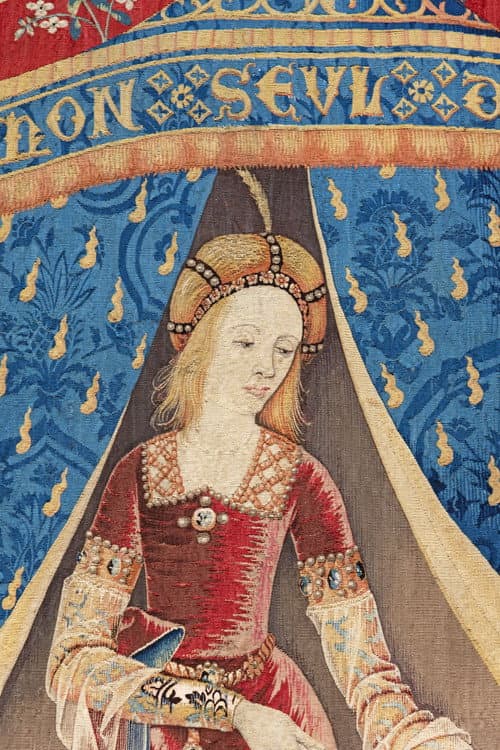
A hanging composed of the six most famous tapestries in the world. These pictures, reproduced everywhere and in all possible forms, have become the emblems of a certain form of romantic art of the late Middle Ages. Beautiful ladies, fabulous animals, abundant flowers, sparkling colours, everything in these tapestries brings pleasure to the eyes. But once the first marvelling is past, the visitor asks questions. What are these blasons that are so obstinately repeated ? What scenes exactly are these hieratic ladies playing ? Why is there each time a lion and a unicorn ? What do these trees, flowers, various animals scattered all over the surface mean ? And who had these splendours woven ? And for what use? Which artist designed the models ? Questions burst out everywhere. Several of them have surprising answers.
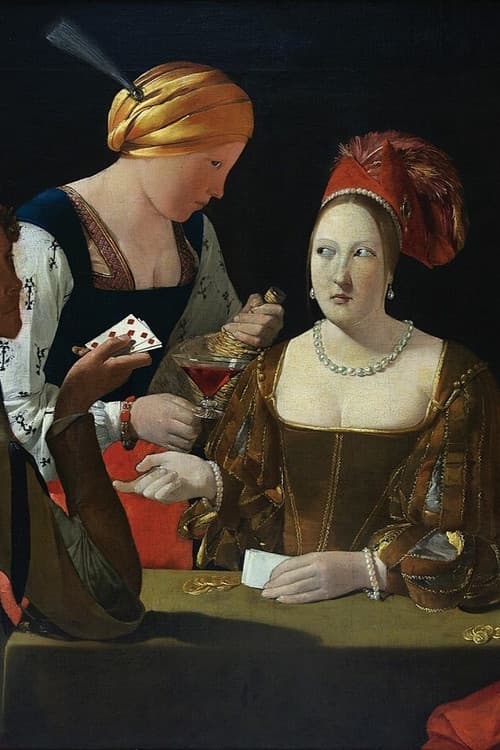
Three cards in hand, gold on the table—we are in the middle of a game of prime, a precursor to poker. Eight gold coins lie before the female player, about a dozen before the young man: the stakes are very high. This painting depicts three card players and a servant; their mouths are closed, their gestures and gazes suspended. The cheat looks directly at the viewer, an ace of diamonds hidden in his belt—his face alone is fully illuminated. His diamond cards suggest money and sexual commerce, while those of his opponent, spades, evoke misfortune and a struggle against fate. In La Tour’s time, several edicts were issued against dice cheats and swindlers. This painting, like The Fortune Teller, illustrates a saying common at the time: “Love, wine, and gambling have ruined more than one man.”