Menu
© 2026 The Couch Critic
Browse 38 movies from Grand Angle Productions
Since the year 2000, there have been several waves of suicides among the indigenous population of the Colombian Amazon. I discovered that the men commit suicide because of love sorrow. Their wives leave them for white men. The latter think that the Indian feels nothing because they do not express themselves in the same way and, in their language, there are no words to describe feelings. Is it possible that a whole people, the Cácuas Indians, do not feel anything?
Mar 2023
Mehdi, Alma, Alpha, and Calypso have been rapping in Bordeaux for several years. In 2024, these four artists will all release a new album. At 25-30 years old, it's now or never to break through and finally put Bordeaux on the map of the French rap game. This film will give them the opportunity to perform their first major concert together. It's an opportunity that could accelerate their already promising careers.
May 2025
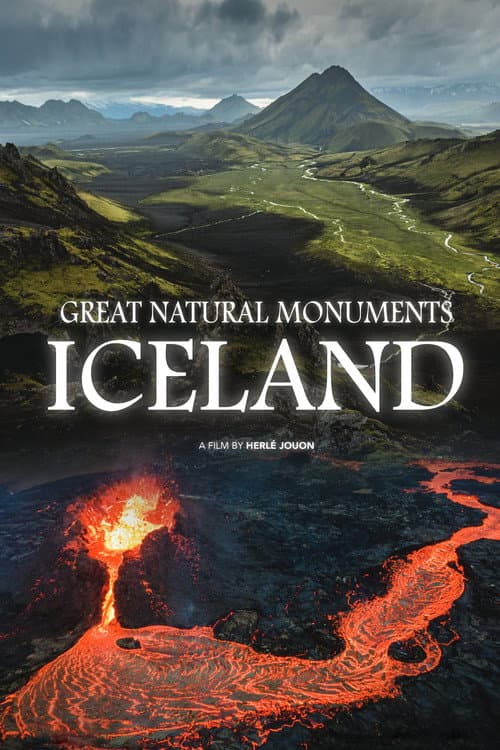
The fascinating landscape formations of Iceland in the North Atlantic bear witness to the beauty and primal power of nature. They were created through the interaction of powerful volcanic, geological and biological processes that have been changing the face of the earth for billions of years. This is what the Earth might have looked like four billion years ago. Iceland is the realm of ice and fire. Nowhere else is there such a high density of volcanoes. The landscapes, which are continually reshaped by eruptions, make the island a natural laboratory full of clues about the formation and development of the earth. The documentary follows a group of scientists through the most active areas of Iceland, along a mountain range that has emerged from the ocean. On the slopes of the volcanoes, in the fog of the fumaroles and on streams and rivers, the three researchers explore how the first forms of life populated the earth's surface and in what evolutionary steps they took over the earth.
Nov 2023
Jul 2019
Jun 2014
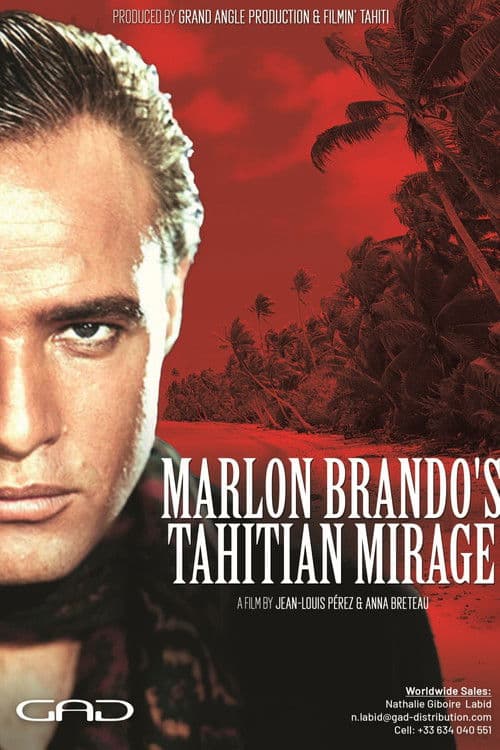
Marlon Brando is best known for his successful films and two Oscars. But his link with French Polynesia, where the actor lived for nearly thirty years, remains largely unexplored. For Brando, a complex and tortured character, known for being unmanageable on film sets and even sometimes obnoxious, escaped throughout his life to a small hidden island at the end of the world. By settling in Tahiti, Brando thought he could rid himself of his anguish and turpitude. But Polynesia, with its paradise-like landscapes, gentle way of life and distinctive culture, was in reality nothing more than a mirage of an idealised, peaceful existence that the star never managed to achieve.
Feb 2023
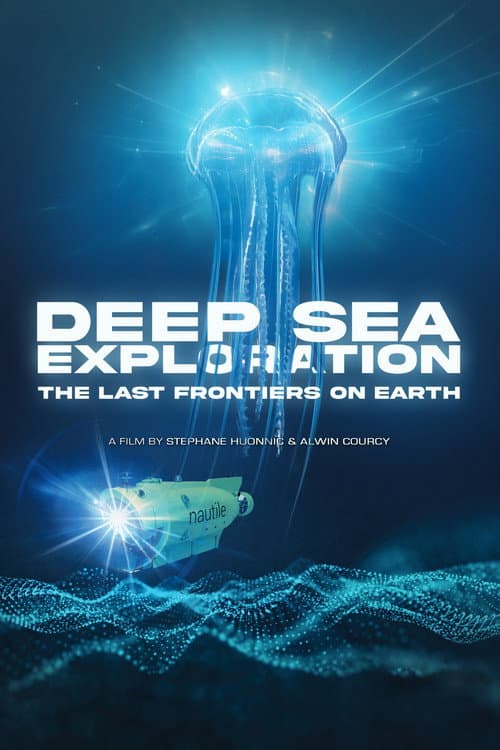
In the deep ocean, where darkness reigns, scientists uncover a hidden world that sustains life on Earth. From extraordinary creatures to invisible microbial processes, the abysses play a crucial role in regulating the climate and ocean balance. But as the race for deep-sea minerals intensifies, this fragile ecosystem is under threat. A breathtaking journey into the largest, and least known, environment on our planet.
Jun 2026
A look at the scandal ridden history of football's governing body.
Feb 2016
“Beurette” or “veiled woman”? A sexual fantasy or a victim in need of saving? Maghrebi women continue to speak out against the racism and sexism that confine them to stereotypes: either as vulgar, opportunistic women, or as submissive and invisible ones.
0
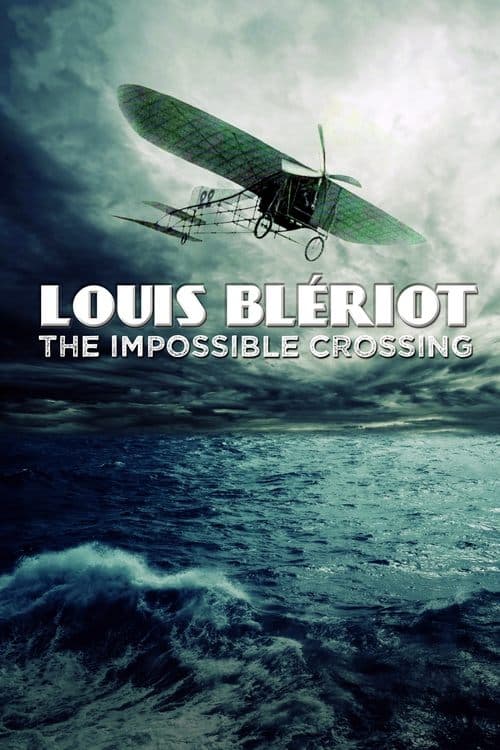
A look back at an incredible challenge that combines human adventure and historic exploit. In 1909, Louis Blériot made the first flight across the English Channel, propelling aviation into the modern era. 110 years on, a team of enthusiasts attempt a mad-cap gamble, to fly a replica Blériot XI.
Sep 2021
May 2022
Jun 2023
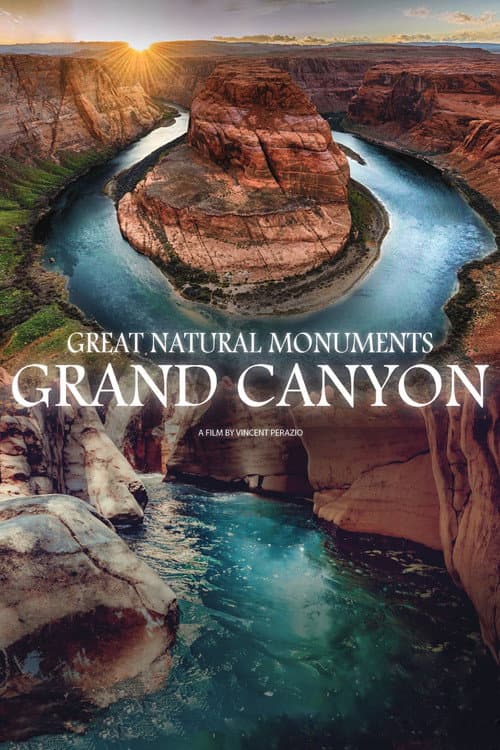
The Grand Canyon is a breathtaking natural monument. It's one of the planet’s best-known landscapes, yet we often forget that it tells two billion years of the Earth's history. Geologists Karl Karlström and Laurie Crossey are the leading experts on this. Over the course of 8 days, they descend the Colorado river and tackle hundreds of rapids to unveil the mysteries held in the Grand Canyon, and the place that humans occupy within it.
Jan 2025
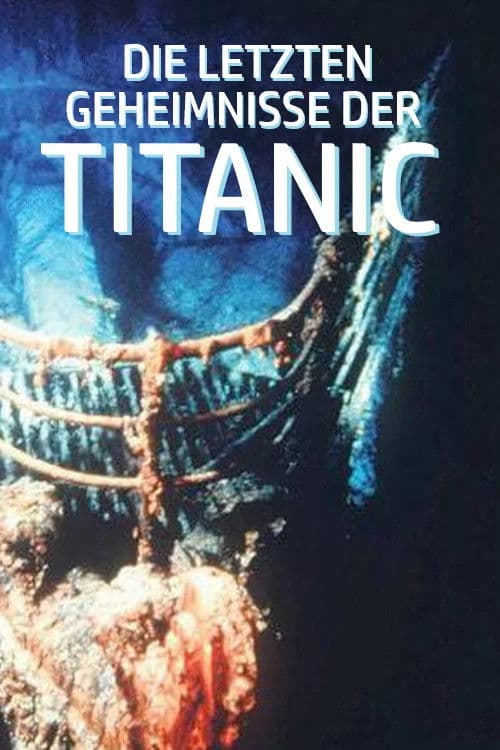
April 14, 2017 marked the 105th anniversary of the most famous shipwreck in the world. It is still not finally clear why the White Star Line luxury liner sank in the North Atlantic on its maiden voyage. The documentary accompanies an expedition to the wreck of what was the largest ship in the world at the time.
Mar 2012
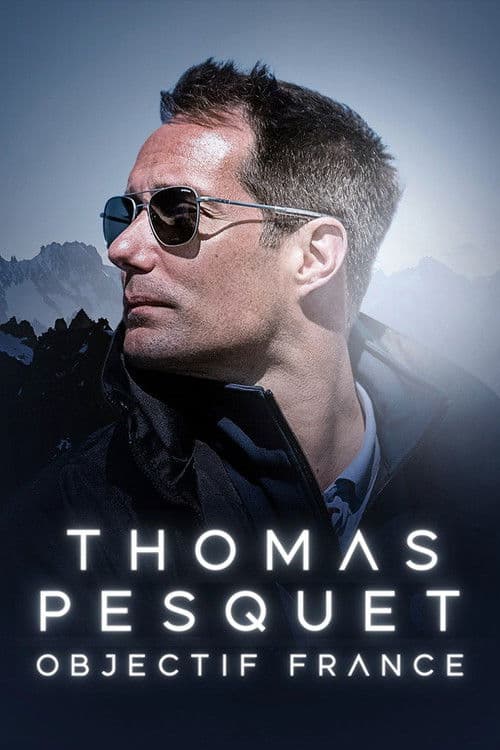
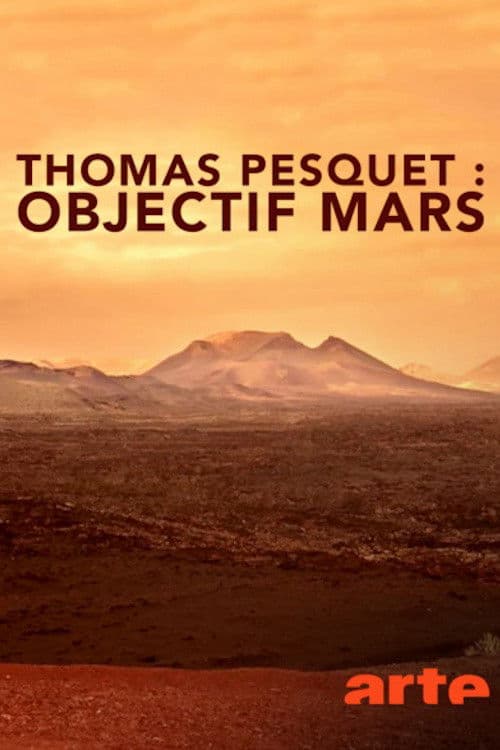
French astronaut Thomas Pesquet recently returned from his expedition to the ISS space station - a veritable laboratory of the future where researchers from all over the world work together. During scientific experiments in space, he investigated how long-term missions, such as to Mars, could become possible.
Aug 2018
Nov 2016
Apr 2022