Menu
© 2026 The Couch Critic
Browse 63 movies from Film Unit of the Division of Community Education, Puerto Rico
Documentary on Puerto Rican pianist Elisa Tavárez.
Jan 1956
One of the DivEdCo's films that best depicts the history and evolution of another genre of popular music from the coasts and of African origin: the plena. It presents sequences of interpreters of those rhythms in Ponce, in the dances of the coastal areas, and the fusion of popular and refined genres in presentations by Ballets de San Juan of the ballet-plena by Amaury Veray, "Cuando las mujeres" ("When the Women").
Jan 1966
Aimed to educate the people, and especially those who lived in the most vulnerable areas, about important safety measures to be taken before, during, and after a storm. The film takes a decidedly modern, scientific approach in its discussion of hurricanes, and it goes to great lengths to dispel popular lore that many of the island’s under-educated inhabitants still relied on for weather predictions.
Jan 1958
Zoilo Cajigas y Sotomayor is a carver of wooden models of saints. Don Zoilo is one of Puerto Rico's best-known artisans and was 96 years old at the time of the filming. The film shows the elaborate process behind his craftsmanship.
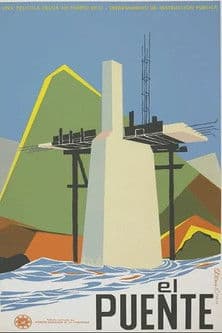
Dec 1956
The efforts of a community to build a bridge which would allow their children to go school during the rainy season.
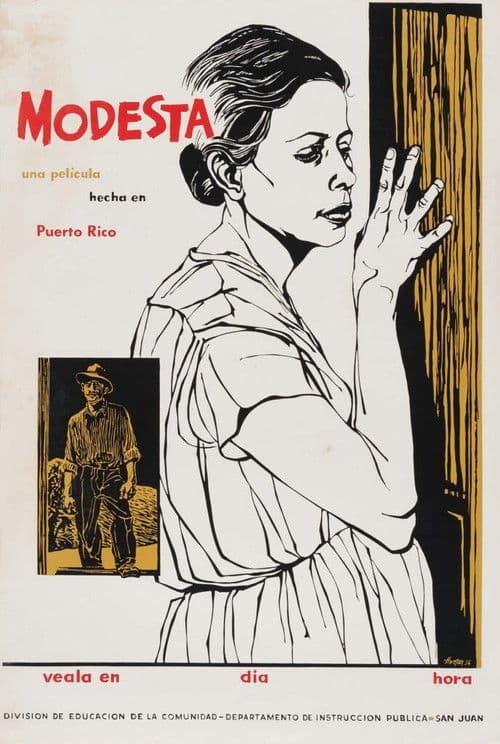
Jan 1951
The DivEdCo’s most important attempt to depict women’s rights in the context of modernization processes in Puerto Rico. Modesta leads a group of women in Barrio Sonadora, Guaynabo, in a strike against their husbands to demand their rights in a domestic context.
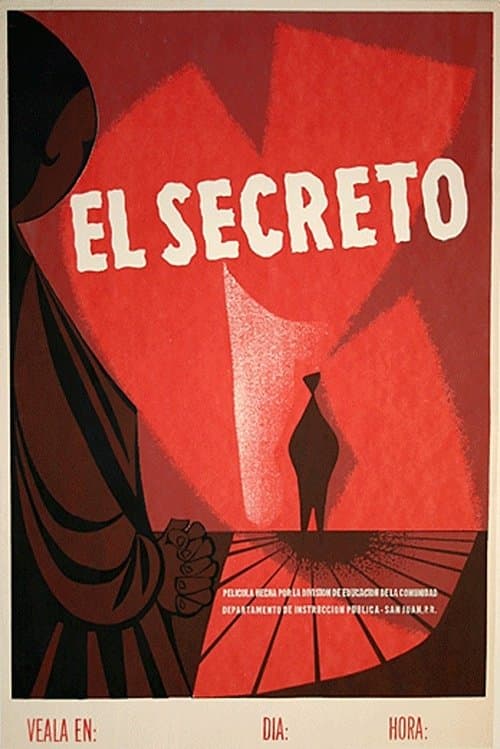
Aug 1956
The story revolves around the sickness of Dona Julia’s daughter Maria. After a bad experience at the local hospital, she seeks cures through non-traditional medical care. When the potions that she administers fail to cure her daughter, she is persuaded to return the girl to the hospital where she is properly diagnosed and cured.
Jan 1955
Illustrates the dilemma of a sugarcane worker who has a child out of wedlock without his wife’s knowledge.
It presents the problem of physically disability through a young crippled and the attitudes of the community towards them.
Jan 1965
Geña, Blas' wife, is dedicated solely to housework by her husband's disposition. When Blas suffers an accident and is hospitalized, Geña takes over the coffee harvest. Blas believes her unable to carry out the tasks because he considers them exclusive to men.
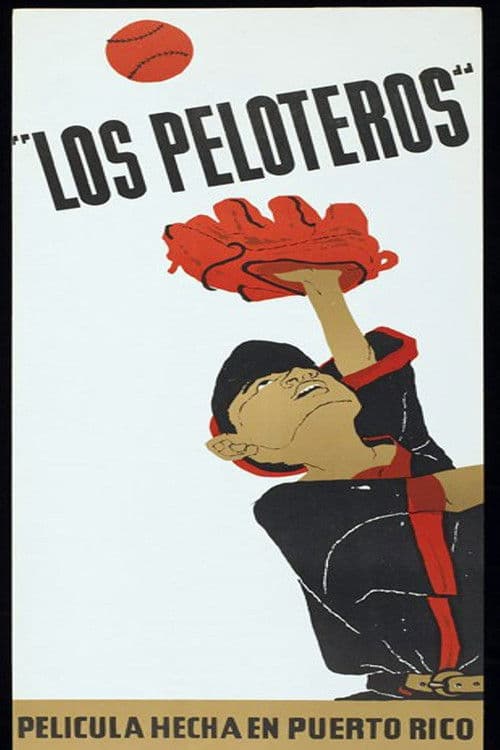
Jan 1964
A group of kids in a poverty-stricken Puerto Rican rural town need money to purchase baseball uniforms for little league.
May 1951
The film recreates the miracle of the birth of Jesus in a Puerto Rican field. It begins with the pilgrimage of Mary and Joseph, the birth of Jesus, and the arrival of the Three Kings.
Jan 1961
The Cordillera de Puerto Rico is presented while Gala Hernández and his group, together with Juaniquillo, perform melodies as part of a traditional Puerto Rican Christmas party.
The effects of emotional neglect on an only child.
Jan 1970
One of the most characteristic elements in DivEdCo's films was the resolution of conflict through dialogue. This is the case in Belén, where the protagonist must deal with her father's patriarchal objections to her desire to become a nurse.
Educates communities about tuberculosis prevention and treatment.
A couple in love listens to Roque Navarro and his group interpret several romantic melodies.
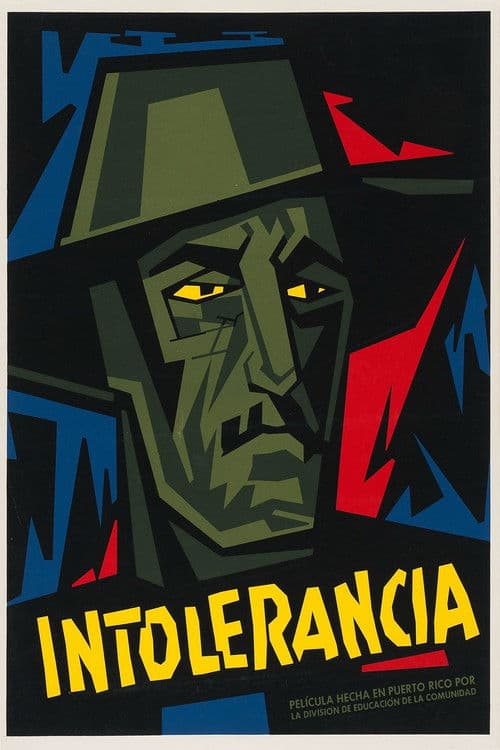
A dramatization of the way a group of rural people resolve their issues with an authoritarian town leader.
Jan 1959
A melodramatic romance that tells the story of a community that shuns the arrival of a new neighbor.
José Raúl Ramírez explains the way an electrical organ works and – more than forty years before he recorded his work – plays a selection of "danzas" on the organ, including "Felices días" by Morel Campos and "Tus caricias" by José Enrique Pedreira.