Menu
© 2026 The Couch Critic
Browse 184 movies from Hunnia Filmstúdió
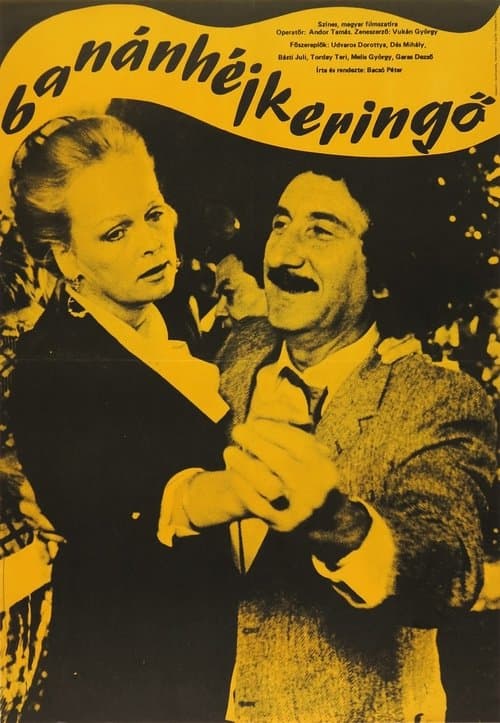
A pretty mixed society get together in a camping area. They enjoy their vacation and do not know that two of the vacationists are demolition experts, who are looking for a huge bomb which may explode in any minute. Written by Tamas Patrovics
Mar 1992
Gráci has been recently released from a reformatory school. His old gang would like to involve him in a new action, but he hesitates. His past record is bad enough already, and he would not like to get into new trouble.
Aug 1961
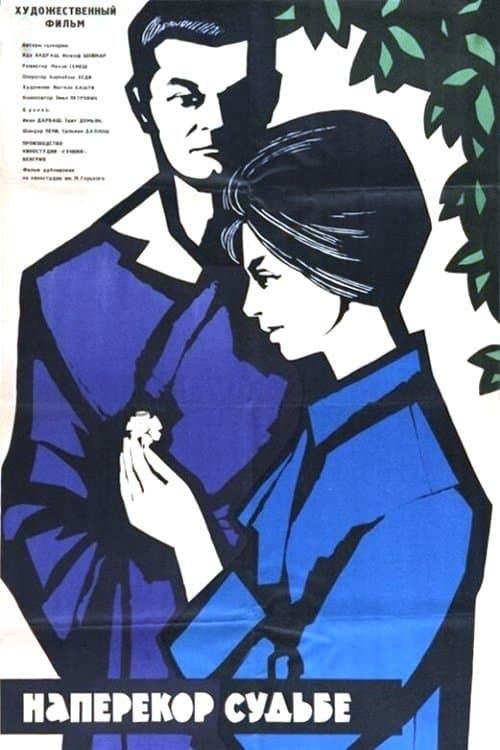
A new teacher arrives at the secondary grammar school. The girls are all crazy for the handsome, blonde young man, except for the most excellent pupil, Balázs Ági. Yet Pali starts paying his attentions to no one else but her.
Nov 1962
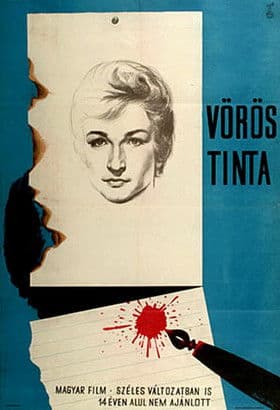
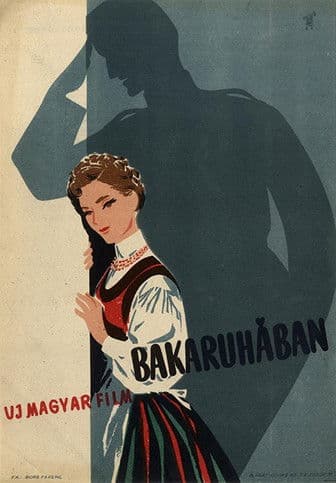
Most of her colleagues take Mária, the new teacher to be a communist party-worker, only Irma and the drawing teacher Zoli treat her kindly. Mária starts working with great enthusiasm, and her class learns to love her in a short time.
Jan 1960
The story recalling the spirit of Gilgamesh, the Sumerian king quarrelling with his approaching death, takes place in a cancer hospital in Budapest. Dávid, the young ethnography scientist resigned to his lot and is indifferent to his approaching death. His specialist reckons, however, that such a searching and stubborn mind with thorough knowledge of the nature of his own illness, will be able to fight death.
Mar 1963
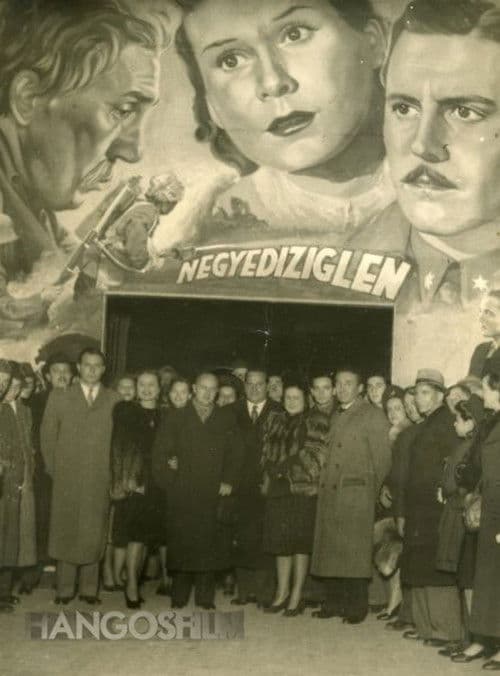
1941, Vinyica. Hungarian troops seize the city. Local people are fleeing, but a lonely man waits for Hungarian soldiers and gets hired. Venice Film Festival 1942
Nov 1942
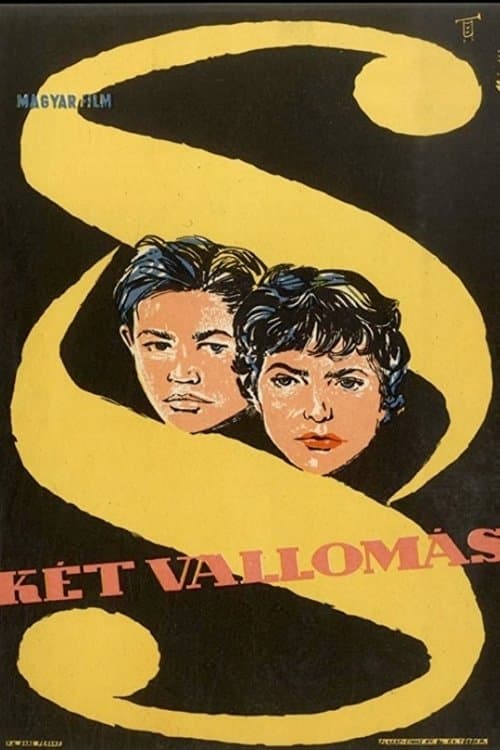
This easy-to-take Hungarian drama is also known as Two Wishes. The prinicipal characters are a pair of juvenile delinquents, who may still be redeemable. The sullen duo is befriended by a kindly police inspector, who takes it upon himself to straighten out the boys. What follows cannot be termed surprsingly or innovative, though it is immensely satisfying. Of interest is the fact that a Communist-bloc film would admit to a delinquency problem in the so-called Worker's Paradise. Ket Vallomas was the Hungarian entry in the 1957 Cannes Film Festival.
Mar 1957
In 1963 in Tihany, somebody addresses the writer Gábor Náday. He is reminded of a night drive in 1944 that saved his life. Painful memories start coming to Náday.
Nov 1963
The film is an interpretation of everyday life and privacy as well as the first love-triangle story after 1945. Benkő Lajos, the country librarian, is stationed in the capital. In lack of a suitable apartment, his wife and children have to stay in the country.
Oct 1957
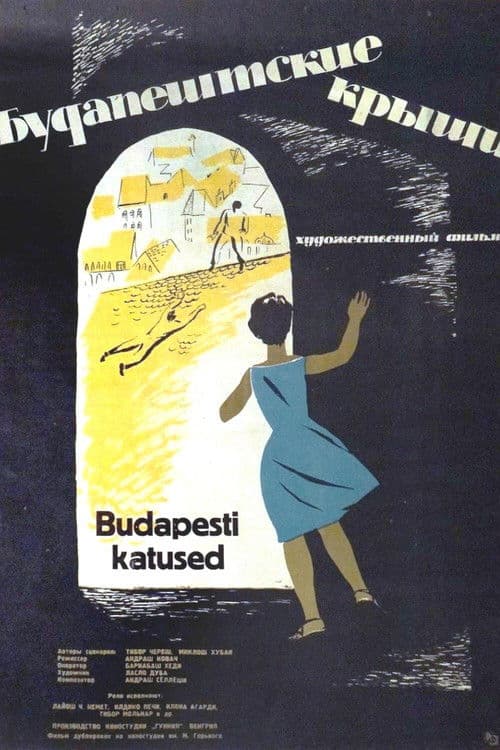
The film is a ballad about the dwellers of a block-of-flats in Angyalföld.
Jan 1962
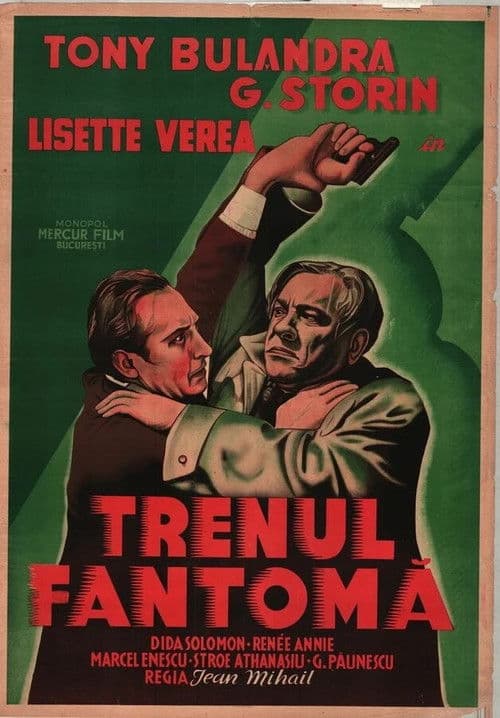
This earliest surviving Romanian horror-thriller is distinctly un-Romanian in several ways: an adaptation of Arnold Ridley’s play of the same name (best known through its 1941 film version starring Arthur Askey), TRENUL FANTOMĂ was shot in Hungary as an alternate-language version of KÍSÉRTETEK VONATA (1933), with both films using footage taken from the 1931 British movie adaptation.
Jan 1933
A priest who has been set free from prison recently joins a spy organization.
Oct 1963
A typist girl who is under the influence of nervous breakdown walks out to the street stark naked from the office she works in. A young physician goes by accidentally and tries to help her, spreading his coat over her nude body. From this moment his life changes completely.
Feb 1987
During the worldwide Depression of the 1930s, a young shopgirl is in love with a man of her own financial class, but succumbs to the seductive machinations of her wealthy boss.
May 1958
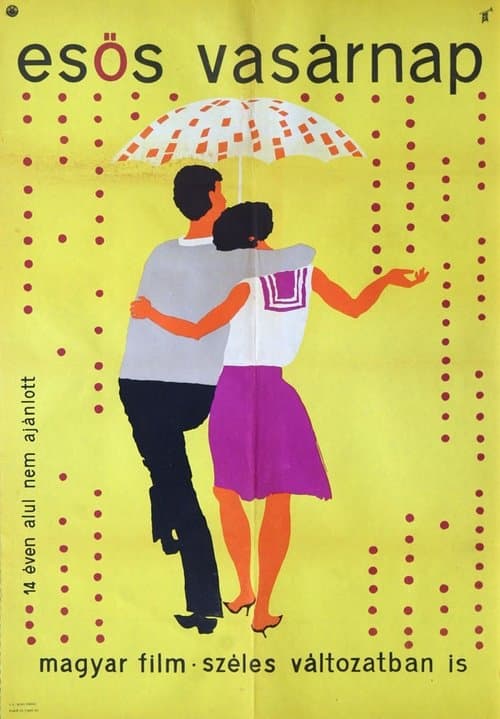
The poetic love story depicting everyday life from a micro-psychological aspect takes place in the 1910s. Sándor, editor of the local paper, serves as a foot soldier on Sundays, but spends weekdays playing billiard and courting women. One Sunday afternoon - in soldier's uniform - he meets Vilma, the beautiful maid, whose honesty and chastity turns the adventure to love.
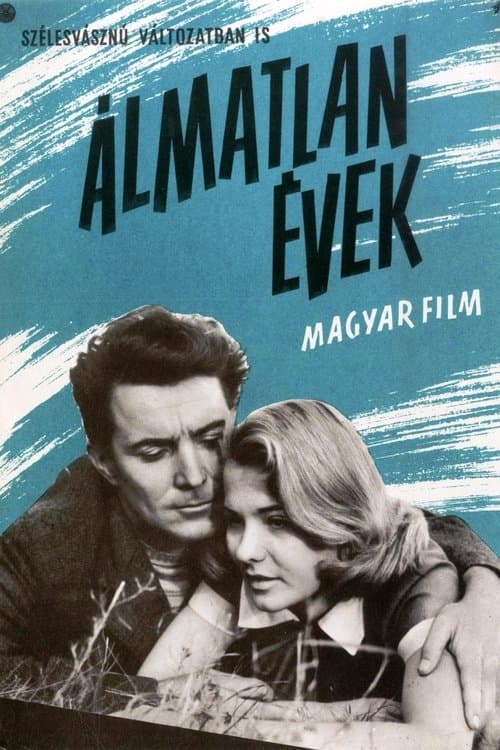
The "sleepless years" in this propaganda piece by director Felix Marlassy occur on Csepel Island, an island south of Budapest that is home to an armaments factory. The factory workers are shown being exploited by imperialists, capitalists gone berserk, and fascists, more or less in that exact chronological sequence. The heavy-handed approach does much to undercut the belief that when socialism finally takes over, the lives of the workers are brought up to a human level. In this instance, audiences might prefer a more nuanced and subtle statement, no matter what the message.
Jan 1959
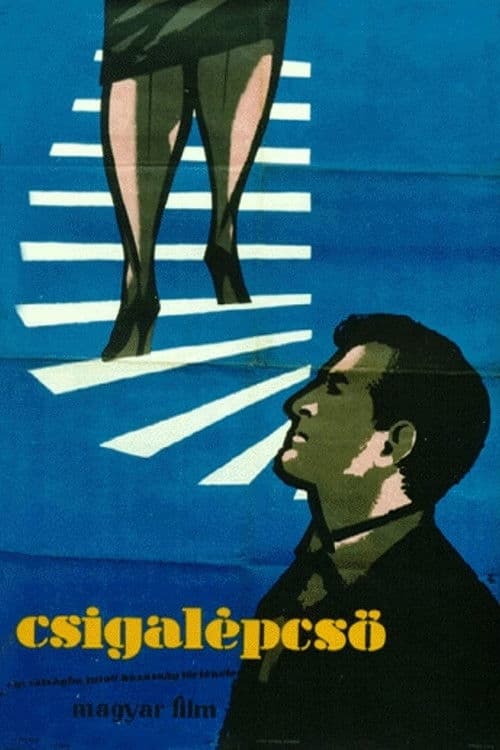
The sad tale of a proletarian malcontent ensconced in a monstrously depressing housing project who—even less effectually than the heroes of Bald-Dog Rock—attempts to change his life. Purchasing a power drill and slinging it across his shoulder like the anti-hero of a spaghetti western, he turns entrepreneur, boring holes in his neighbors’ walls so that they can hang mirrors or pictures.
Feb 1986
On New Year's Eve in 1956 the artist couple, the actor János and the dancer Viki are hastily packing. While they are waiting for the car, which is to take them across the border, their entire life is replayed in front of their eyes.
Dec 1957
The film is a lyrical series of associations compiled from documentaries. Márkus, the actor is shut in his own flat by his wife by accident. While learning his part, on the wings of poetic intuition his imagination tours the great landscapes of the soul, the mystery of human existence.
Feb 1977
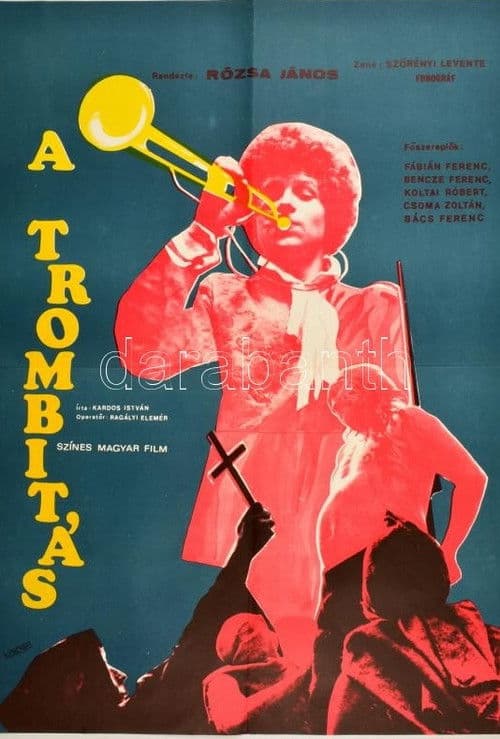
In the late 17th century, Hungary moved from Turkish to Austrian domination, becoming a key part of the Austro-Hungarian Empire. In this story, which takes place shortly after that time, three outlaws murder a group of people on their way to a wedding. One young man was a slave travelling with the group to entertain them with his skills as a trumpeter. The outlaws spare him for the same reason. He allows himself to believe that they are really an unattached group of independence-fighters, but after seeing their brutal and callous ways, he cannot believe that they are good men, and he turns them in to the authorities. At that point, he is unnerved to discover how nobly they bear the rigors of captivity. ~
Apr 1979