Menu
© 2026 The Couch Critic
Browse 9 movies from Centre Bruxellois de l'Audio-Visuel
Jan 2013
The filmmaker goes back to her childhood, to the roots of the tragedy, to her desperate efforts to be accepted by her mother, to her permanent feeling of failure. Du verbe aimer A remarkable autobiographical account, constructed like a very inventively written essay. (Belgian Cinematek)
Jan 1984
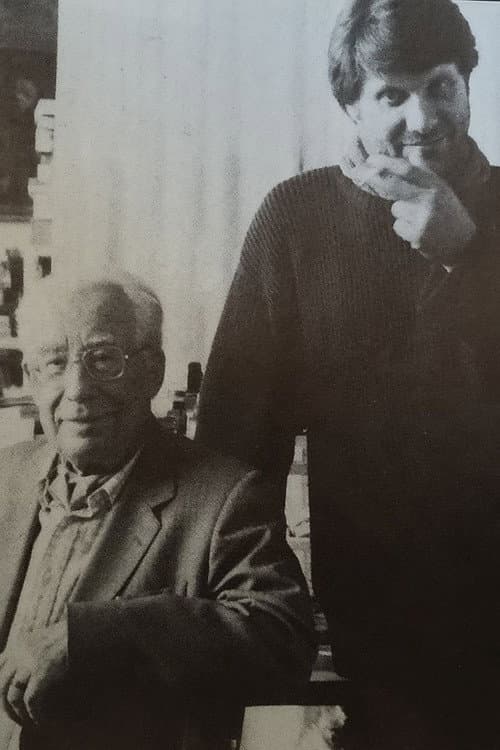
Robbe de Hert’s Henri Storck, ooggetuige (1986) is a brilliant cinematic homage to the founding father of Belgian documentary cinema. Filmed around Storck’s 80th birthday, the film eschews standard biographical formulas. Instead, De Hert crafts an intelligent, vibrant collage that synthesizes rare archival footage with intimate anecdotes told by Storck himself.The documentary excels at tracing Storck’s evolution from an Ostend avant-garde poet to a fierce social activist. De Hert’s signature rebellious tone shines through in bold creative choices, such as overlaying John Lennon's "Working Class Hero" onto the silent, gritty footage of Misère au Borinage (1933). This creates a powerful bridge between 1930s labor struggles and modern social critique
Jan 1986
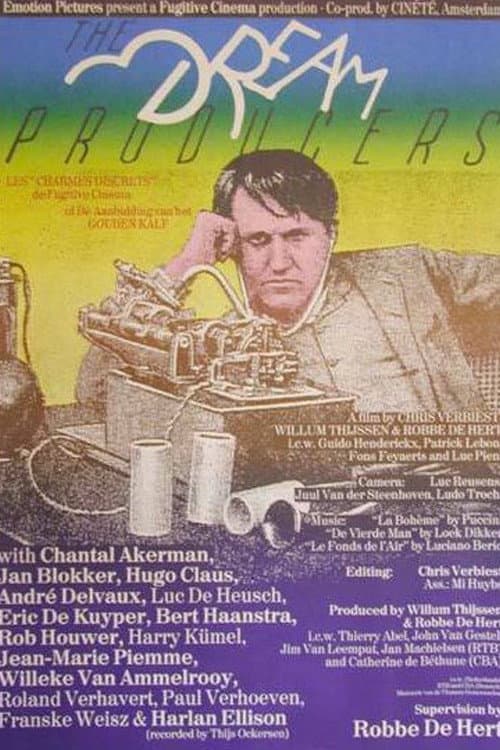
Documentary exploring why Belgian television doesn't invest more money in Belgian cinema as is the case in e.g. the netherlands.
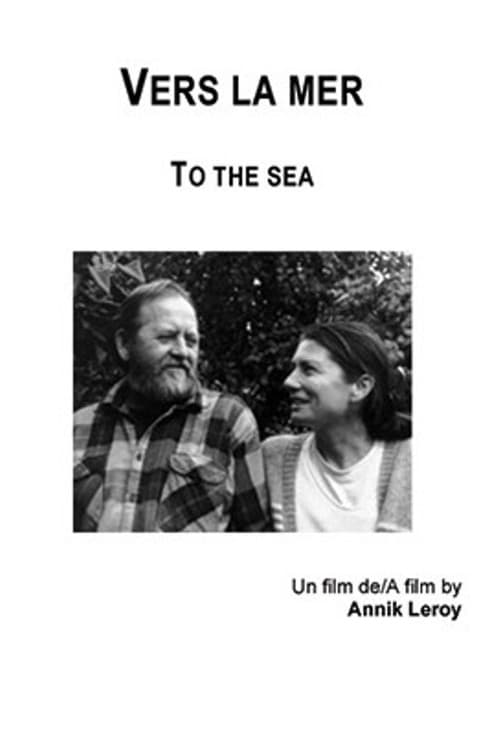
Starting in Germany before crossing into Austria, Slovakia, Hungary, Bulgaria and Romania, Vers la mer (To the Sea) is a documentary-voyage filmed in black-and-white by Annik Leroy, as she traces the River Danube from its source to the estuary of the Black Sea.
Feb 1999
A documentary about Luxembourg's Grand Duchess Charlotte Bridge —AKA the red bridge, notorious for its suicides— in which a couple of families who lived underneath the bridge were followed and interviewed throughout a period of time, telling about their macabre experiences.
Aug 1992
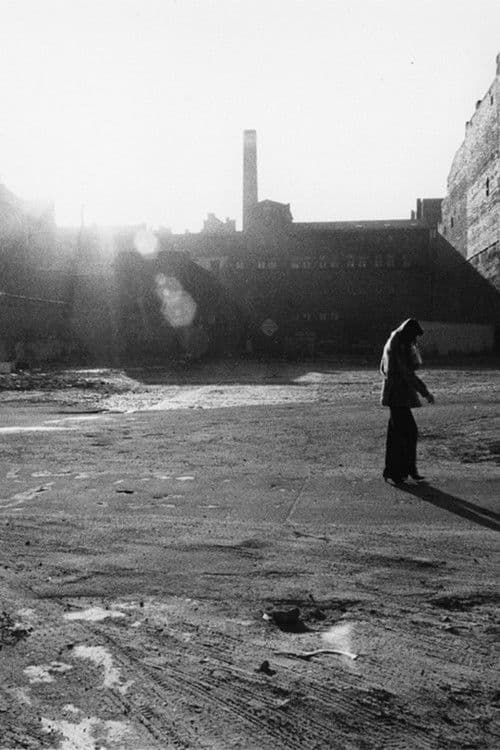
“With this film I try to retrace my journey, my story through the ruins, neighbourhoods, and streets of Berlin. I filmed the dialogue that took place between the city and myself, the wanderings in the old neighbourhoods (Moabit, Kreuzberg, Wedding), places where you can still find most of the traces of the past, or rather what’s left of them.” (AL)
Feb 1981
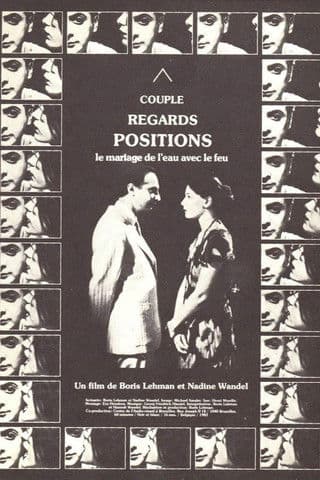
A two-way mirror. Water and fire. Water extinguishes fire, and fire boils away water. There are many difficulties preventing them from understanding one another.
Feb 1983
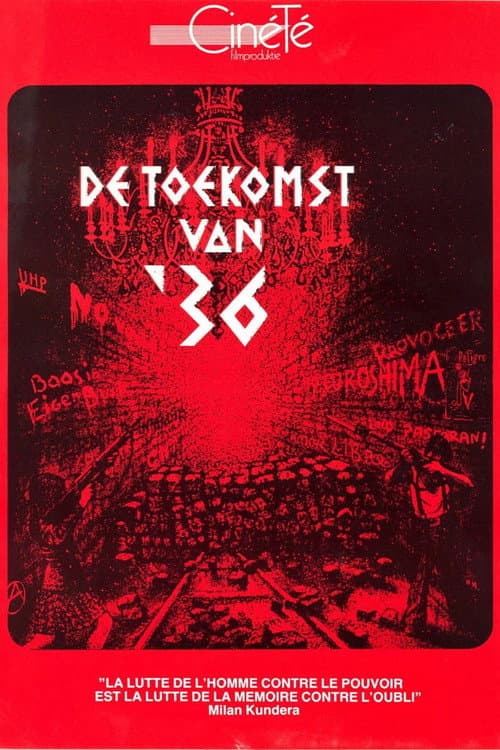
This film offers a deeply personal and emotional exploration of history through the eyes of a young Belgian woman traveling in Spain. By contrasting the 1936 anarcho-syndicalist revolution in Catalonia with mid-century European movements like May ’68, the narrative weaves together her personal heritage and political ideals. It acts as a subjective homage to freedom and utopia, questioning whether the optimistic spirit of 1936 and 1976 can ultimately survive the relentless, demoralizing weight of state power.
Jan 1983