Browse 22 movies from US National Park Services
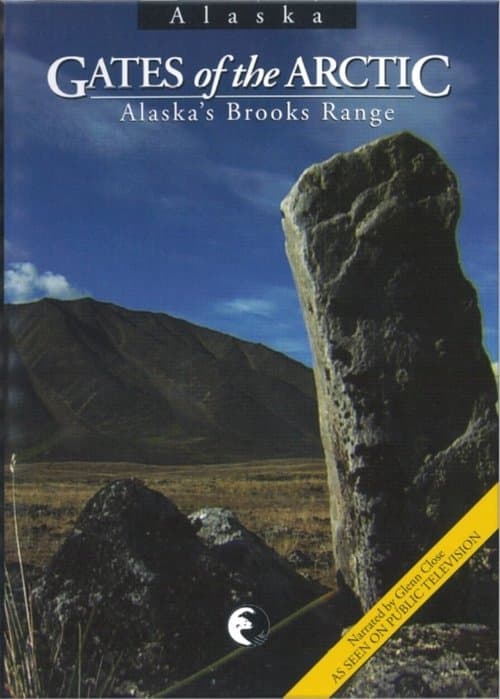
Glenn Close narrates this National Park Service movie about the many varied aspects of Gates of the Arctic National Park & Preserve. Shown at Morris Thompson Cultural & Visitors Center.
May 2008
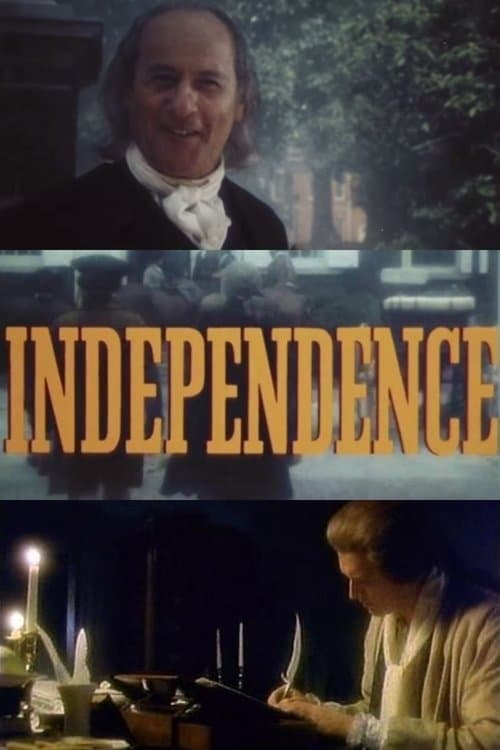
John Huston directs this film giving relevance and life to the hallowed buildings and ground making up Independence National Historical Park. Through vignettes, the people and events are re-created for the present-day visitor. Featuring Eli Wallach as Benjamin Franklin.
Jul 1976
This director's cut of the William Greaves' documentary short film dramatizes the life and deeds of the noted abolitionist Frederick Douglass.
Jan 1985
The transcript discusses the prevalent drug culture, particularly marijuana use, among youth in national parks. It highlights the perception that marijuana is less harmful than harder drugs and reflects on the challenges park rangers face in enforcing drug laws. While acknowledging the existence of drug trafficking, the narrative emphasizes that marijuana use is often seen as a minor issue compared to alcohol consumption or harder narcotics. The conversation also touches on the need for a more nuanced understanding of drug use, suggesting that current laws may be overly stringent and not reflective of societal attitudes.
Jan 1970
In December 1816, seven-year-old Abraham Lincoln crossed the Ohio River with his family and began a life in the wilderness in the newly created state of Indiana. It was here, on his father's farm in Indiana, that Lincoln's journey to adulthood began. He spent 14 years here. In 1830 at the age of 21, Lincoln moved with his family to Illinois. But it was on his father's farm in Indiana that the journey which would eventually lead to the Presidency of the United States began. The young boy who learned to overcome the adversities of life on the frontier became he man who led the country through the crisis of the Civil War. The road from Indiana to Washington marked the course of a remarkable lifetime.
Jan 2000
This film tells the story of the life, leadership, and service of Ulysses S. Grant: Civil War hero, 18th President of the United States, champion of Reconstruction, and proponent of civil rights.
Oct 2023
This is the story of George Rogers Clark and his courageous frontiersmen who fought on the Kentucky and Illinois frontier during the American Revolution. To help end British-inspired Indian attacks on Kentucky settlements, these brave men defied tremendous odds to capture Ford Sackville from the British in 1779. This was the park film at George Rogers Clark National Historical Park in Vincennes, Indiana.
Jan 1978
National Park Service Museum film made for the Ford Mansion which was General George Washington's Headquarters during the winter of 1779 - 1780 and is now part of the Morristown National Historical Park in New Jersey.
Jan 1979
Garfield provides viewers with an in-depth look at the life and accomplishments of the nation's 20th President.
Jun 1998
Produced in 1974 to screen at the Minuteman National Historical Park in Concord, MA. Telling the story - through the eyes of one Patriot - the events of 1763 to 1775. An older National Park Service Museum film, and one of the most ambitious produced for the NPS at the time.
Jan 1976
This is a very well-done, classic older National Park Service Museum film, and featuring the excellent mounted artillery crew at Petersburg National Battlefield. Looks to be late 1970s.
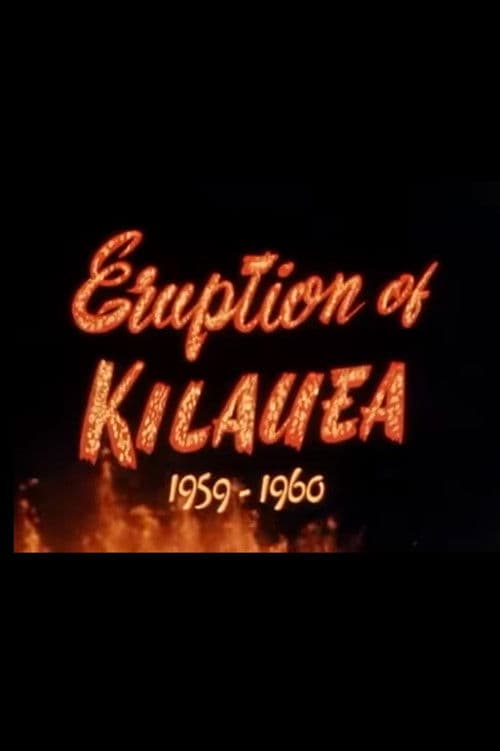
Produced by the United States Geological Survey and the National Park Service during the 1959-1960 eruption of Kilauea. Narrated footage includes lava fountains and the creation of the Kilauea Iki lava lake.
Dec 1960
Produced in 1975 by the National Park Service for Guilford Courthouse National Military Park. The script and letters were written by Phillip Young and the watercolor artwork was provided by famed military history artist Don Troiani. It tells the story of the March 14, 1781 North Carolina Battle in a unique way.
Jan 1975
This National Park Service orientation film tells the story of Ninety Six. From its forming at the crossroads along trade routes linking the Cherokee territory to Charleston, SC. Ninety Six in the 1700s was a land of hope and opportunity, of conflict and revenge, and a land of frontier justice. Ninety Six played a significant role in the struggle for American independence from British rule. It was the site of the first southern land battle of the Revolutionary War in 1775, and the scene of the longest field siege in 1781.
Jan 1995
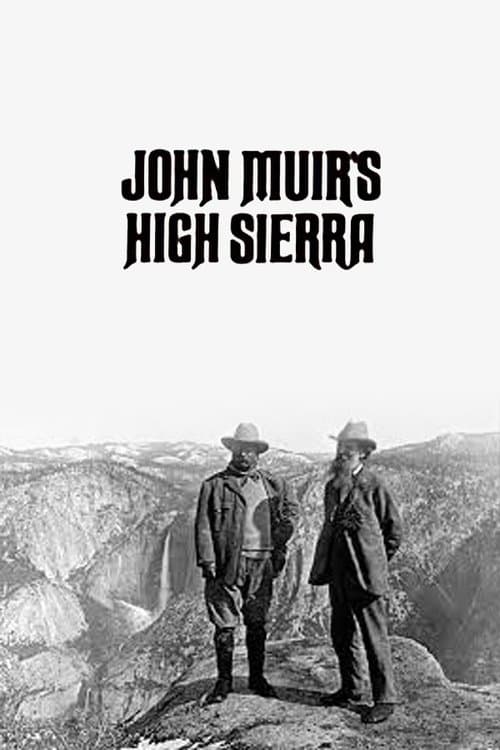
John Muir's High Sierra is a 1974 American short documentary film directed by Dewitt Jones produced by Dewitt Jones and Lesley Foster. This film provides a brief geologic explanation of the development of the Sierras. It visualizes selected passages from John Muir's journal of his first trip into the Sierras in 1869 and discusses his role in conserving national parks. Muir was a Scottish-American naturalist, author, and early advocate of preservation of wilderness in the United States. It was nominated for an Oscar for Best Documentary Short Subject.
Oct 1974
Sequoia National Park preserves and protects some of the oldest and largest trees on the planet, as well as Sierra Nevada ecosystems ranging from over 200 caves to the highest peak in North America. Much of the park is habitat for the American black bear (which can also be brown, red, or blonde). The park originally published a Bears of Sequoia film in the early 2000s. The film was popular and helpful in reducing negative bear-human interactions, but the style and quality of the film became outdated. The Fund for People in Parks provided a grant to the Sequoia Parks Conservancy for an updated version of the film to be made by the original filmmaker. The new and more compelling film better conveys messages about proper food storage that are important to the well-being of black bears and safety of visitors, as well as providing moments of awe and wonder that celebrate the species.
Jul 2025
Jan 1936
In this video, visit Yorktown, Virginia, scene of the culminating battle of the American Revolution. Relive the dramatic events leading to the capture of General Lord Cornwallis and the British defeat in the autumn of 1781. As the narrator relates the historical significance, strategy, and tactics of this intense siege, regiments in period costume re-enact scenes of the battle between the British Army, and the combined American and French forces led by General George Washington.
Jan 1984
The Battle of Chattanooga, Tennessee, was an important Union victory in the the Civil War. The city was a vital rail hub that, once taken, became the gateway for later campaigns in the Deep South, including the capture of Atlanta and Sherman’s March to the Sea. A Confederate soldier called the Battle of Chattanooga "the death knell of the Confederacy."
Oct 2012
The official National Park Service orientation film on the April 1862 Civil War Battle of Shiloh.
Apr 2012