Menu
© 2026 The Couch Critic
Browse 73 movies from Spiegel TV
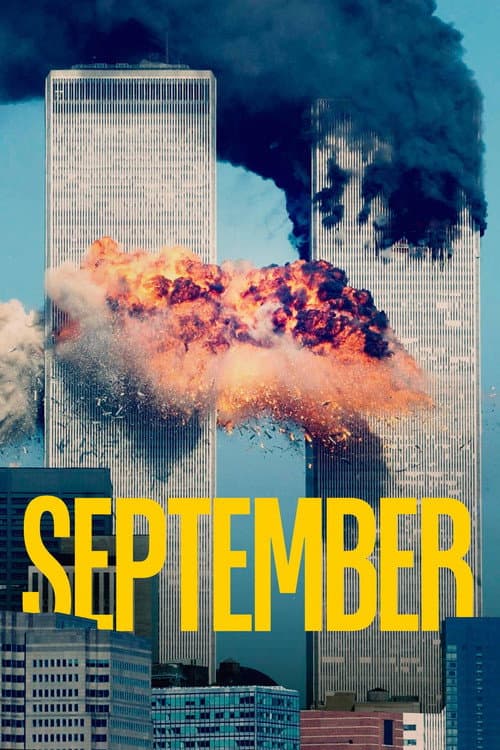
September 11, 2001, changed the world. But how did a single day give rise to shockwaves that continue to be felt to this day? "SEPTEMBER" retells the story of the terrorist attacks condensed into the 30 days of a month that shaped the 21st century.
Sep 2026
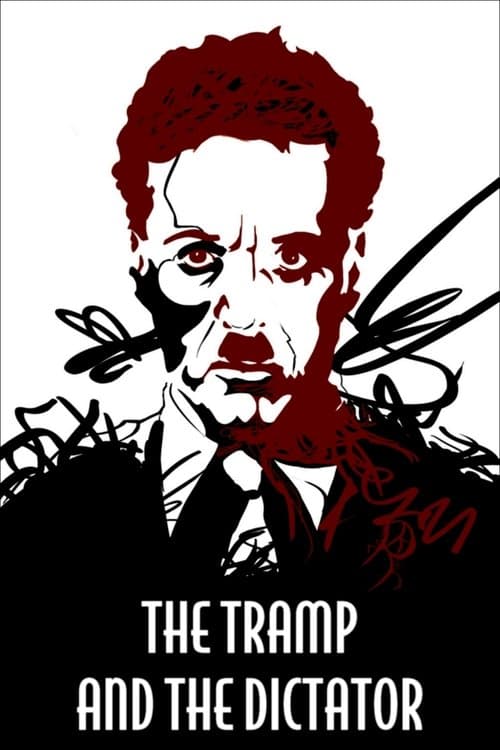
A look at the parallel lives of Charlie Chaplin and Adolf Hitler and how they crossed with the creation of the film “The Great Dictator,” released in 1940.
Feb 2002
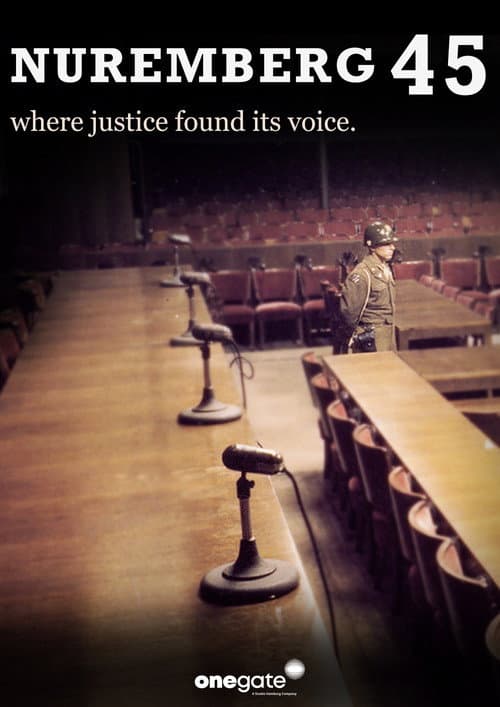
At the end of 1945, the Nuremberg trials against Göring, Hess, von Ribbentrop and other Nazi officials began. The young Jewish reporter Ernst Michel and the witness Seweryna Szmaglewska, both concentration camp survivors, struggle not only with their deep traumas, but also with some uncomfortable insights that the trial brought to light. Carsten Gutschmidt's thoughtful docudrama sensitively interweaves dramatised scenes, flashbacks, colourised original footage and new material in which witnesses and descendants visit the original locations and comment on the action.
Oct 2025
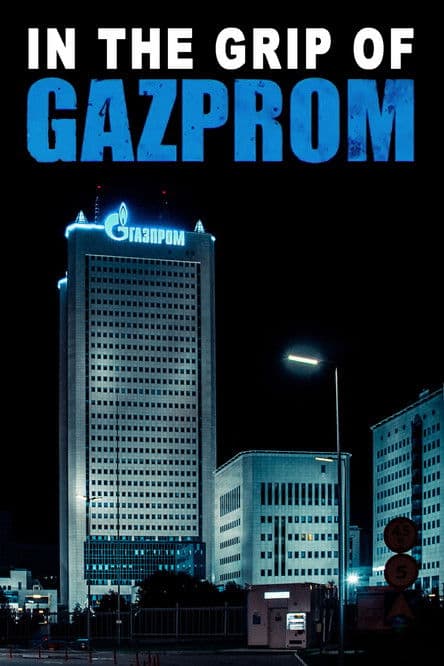
The war in the Ukraine has changed the way many European countries view Russian politics. Suddenly it became clear how dependent countries had become on Russian gas imports for decades and what Vladimir Putin was up to. However, no country needs more gas than Germany. It was only after Russia's invasion of the Ukraine that the German government realized that Russia had long used gas as a weapon to impose its will on states. The instrument created for this purpose is the natural gas production company GAZPROM. So how did Germany become so dependent on Russian gas? The documentary shows how, over several decades and several changes of government, a broad alliance of politicians and business representatives did everything possible to secure Germany's energy supply with cheap Russian gas, while the Kremlin's foreign policy became increasingly aggressive and the warnings of experts went unheeded.
Feb 2023
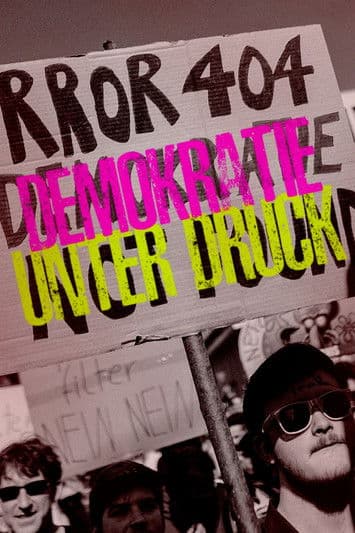
Thoughts of a diversity of public and private citizens on the virtues of democracy, its faults, its decadence, its fall and the rise of populism.
May 2019
Jun 2026
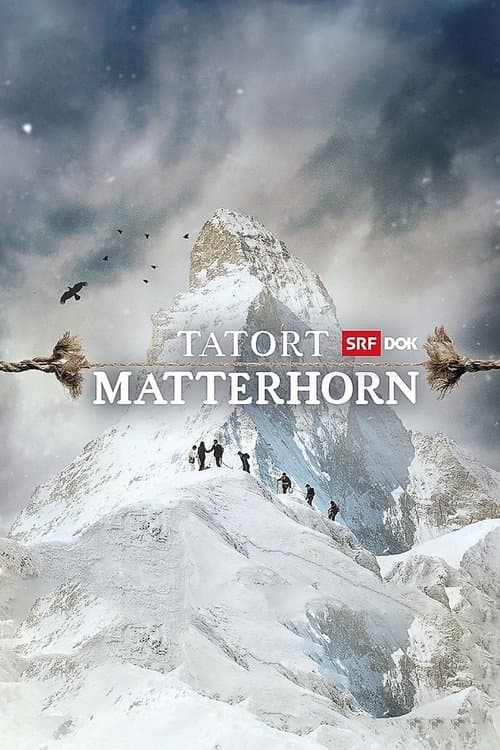
The first ascent of the Matterhorn was made on July 14, 1865 by Edward Whymper, Francis Douglas, Charles Hudson, Douglas Hadow, Michel Croz and two guides from Zermatt, Peter Taugwalder father and son. Douglas, Hudson, Hadow and Croz are killed on the descent after Hadow slips and drags the other three men down the north face. Whymper and the two Taugwalders, who survive, are later accused of having cut the rope that connected them to the rest of the group so as not to be dragged into the fall, but the ensuing investigation finds no evidence of their guilt and they are acquitted. The Matterhorn is the last great peak in the Alps to be conquered and its ascent marks the end of the golden age of mountaineering. One hundred and fifty years later, a team undertakes the same expedition in order to unravel the mystery.
Mar 2015
The sun is the miracle that makes everything possible - but also the greatest danger. For the first time, a feature-length documentary is dedicated to the search for the significance of our home star for mankind, science and nature. Thanks to the researchers from the American space agency NASA, who work at the Canary Islands observatories in the hottest and coldest places on the planet.
Feb 2024
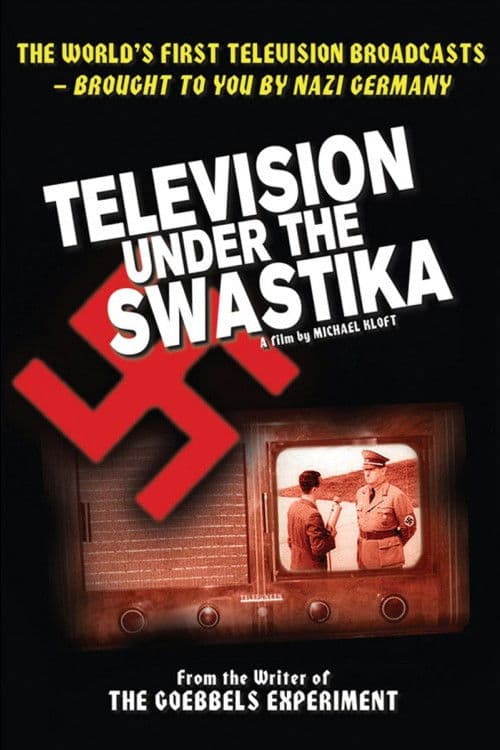
A history of Nazi television programming and technology, from 1935 to 1944.
Jun 1999
Jan 1998
The Stammheim trial against the leadership of the first generation of the RAF was one of the most elaborate in the Federal Republic of Germany. Through this trial, Stammheim also became a place of identity for the RAF. The docudrama uses the perspective of Horst Bubeck, who as a prison officer in the cell wing had the most intensive contact with the prisoners, to shed new light on the history.
Apr 2025
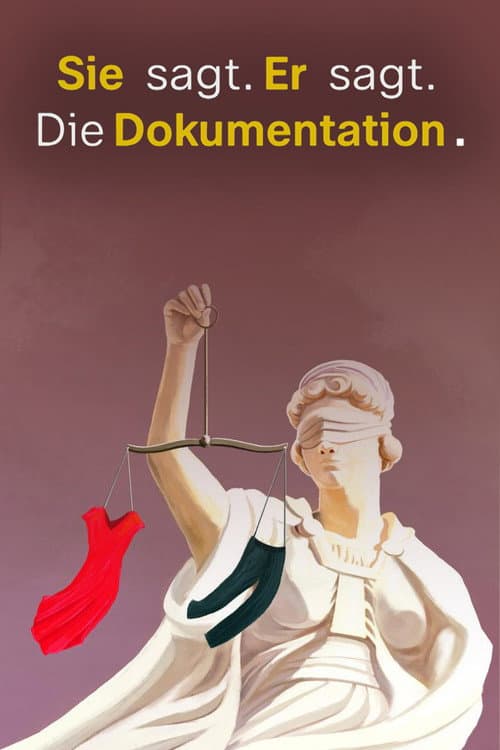
The Code of Criminal Procedure is actually intended to help judges get to the truth. To do this, they interview witnesses, listen to experts, and have evidence presented. But what if the evidence does not provide a clear picture when statement is against statement? The judge is free to assess the evidence. All that counts is the judicial conviction, which ideally also corresponds to the “objective truth”. But how often is this really the case? How easily do we believe our own prejudices when in doubt? How quickly can we be manipulated? And how do we know when someone is lying? Knowledge of these soft factors also makes it difficult for people at the head of a court to decide whether guilt or innocence. In the end, the judges also have to live with a verdict that has serious consequences for those involved. The accompanying documentary to the TV movie attempts to explore this dilemma with the help of various interview partners and cases.
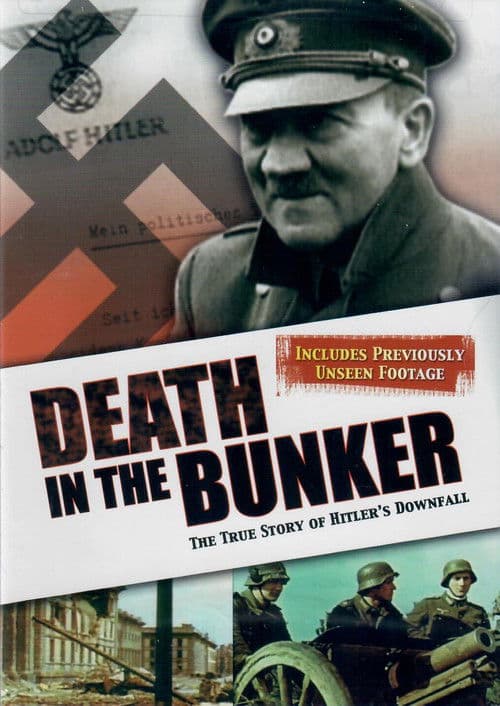
Adolf Hitler spent the last ten days of his life in a bunker underneath the Chancellery of the Reich. Unwilling to face the consequences of defeat, the dictator ended his own life on April 30, 1945 in this fortified underground complex. Featuring exclusive interviews with the last survivor’s of Hitler’s inner circle and extensive archival footage, Death in the Bunker is an illuminating look at the Führer’s final decisions in preparation for his suicide.
Oct 2004
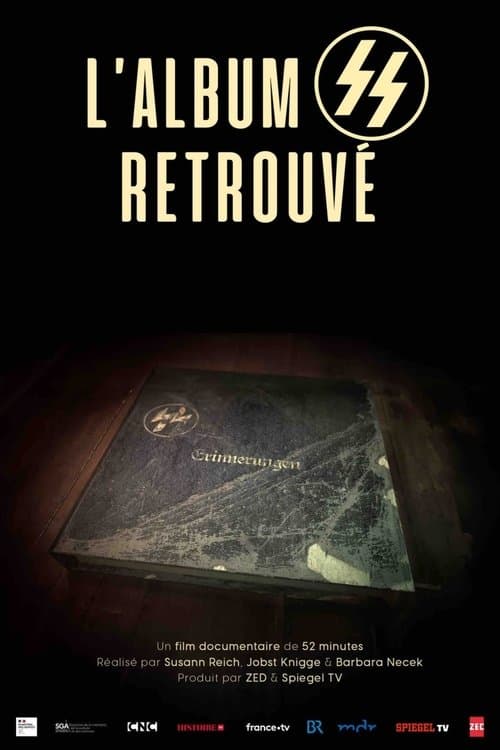
In 2016, an album containing 250 previously unseen photos of Nazi officials was discovered in the USA by Stephan Hördler, a prominent Holocaust historian, who immediately understood the album's inestimable value. The album brings together photographs of a "group of friends," all from the same region of Germany, all of whom became SS men. From 1928 to 1943, the photo album allows us to follow their journey. Hördler conducted the investigation, comparing the photos in the album with other, better-known ones, the faces of these men with those of concentration camp officials, and ultimately revealed that it was at Lichtencburg that these young men were trained, a "school" for future camp executioners, and the bonds of camaraderie and informal network that would allow them to help each other, even after the war.
Jan 2025
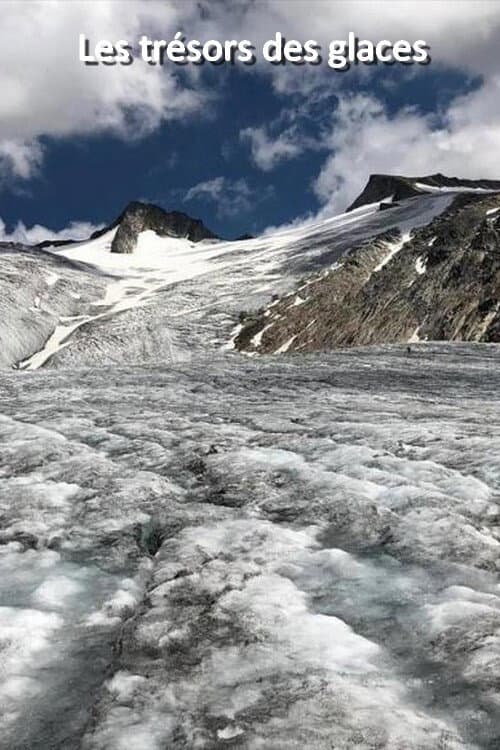
Ten percent of the earth's surface is covered by glaciers. While these frozen peaks are the planet's largest reservoirs of drinking water, they are also home to precious relics of the distant past. Like tree rings, each layer of ice provides information on past years, such as temperature and precipitation. With global warming - an environmental concern but a boon for glaciologists - these treasures are gradually being released. In 1991, for example, hikers in Italy discovered a corpse lying at an altitude of over 3,000 metres.
Nov 2019
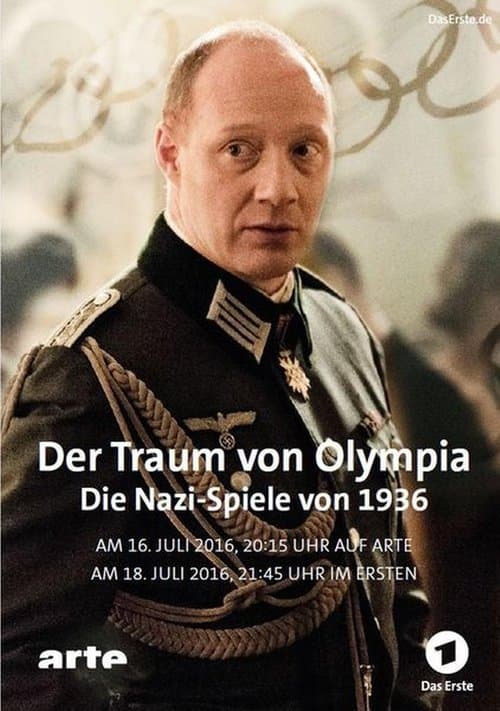
Leni Riefenstahl's flamboyant Nazi aesthetics shaped the public image of the 1936 Olympics. Never before had sports and politics been mixed. Through archive photos and reconstructions, we get a closer look into the historical propaganda show.
Jan 2016
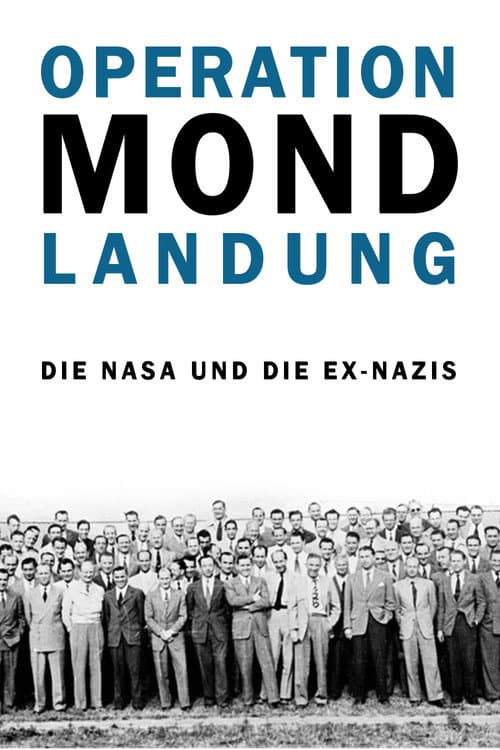
The spectacular moon landing in 1969 was also a success of more than 100 technicians and engineers from Germany, some of whom had already revolutionized weapons technology and built rockets in Hitler's service during World War II. The documentary analyzes the entanglements of German NASA employees with the Third Reich.
Jan 2019
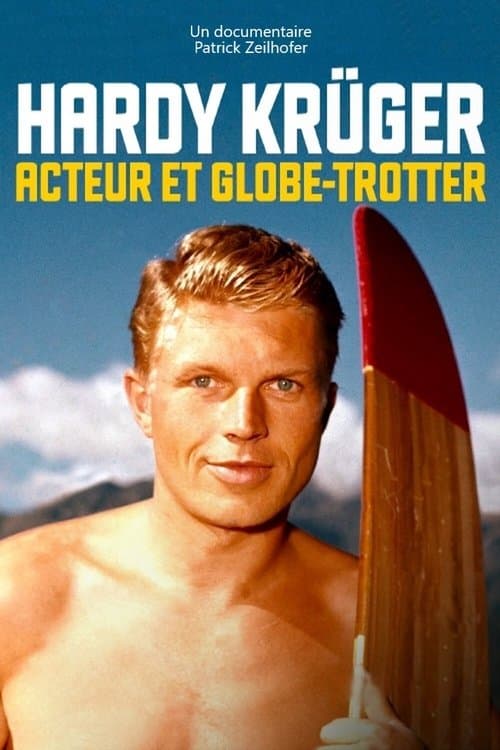
With his blue eyes, blond hair and boyish laugh, he conquered German cinema audiences in the 1950s and 60s: Berlin-born Hardy Krüger made it all the way to Hollywood as an actor. But he was just as passionate a writer, pilot and globetrotter.
Nov 2025
People have always been fascinated by the tropics. Explorers from Europe were among the first to travel to the equatorial region centuries ago. Modern scientists are continuing what began with these pioneers. The documentary traces the historical exploration of the paradise belt at latitude 0 and looks at modern research at the equator.
Apr 2020