Menu
© 2026 The Couch Critic
Browse 18 movies from Pasquali e C.
One of the most famous of the early Italian epics which brought about the change from short subjects to feature films in America. Massive crowd scenes, spectacular sets that rival the sets from Intolerance and an interesting story all add up to fine entertainment from the cinema's early beginnings.
Jan 1914
Jul 1914
A tour of the "ethno-geographical" and "zoological gardens" in Hamburg, Germany, which weaved the global ideas of the end of the century 19th century World's Fair.
Mar 1912
Feb 1914
A comedy short starring Polidor.
Feb 1913
Polidor wins the friendship of an elephant whom he liberates from a splinter in his foot
Oct 1913
Hard pressed for funds in his campaign for Mayor, Jim Creelman does not know where to turn, but Olga Bateman, an actress, who has fallen deeply in love with the handsome politician, offers to loan him twenty thousand dollars to insure his election, hoping that in the end he will marry her. He makes good use of the funds and his campaign is carried to a successful termination. A short time afterwards, however, he meets Miss Syble Chatfield, the fiancée of Estaban DeBussy, the editor in chief of the leading daily paper, and falls desperately in love with her.
Nov 1914
Polidor hides his savings in a pair of specially made boots.
Sep 1913
In a scheme that is all the more convincing on silent film, Polydor attempts to fool a high-society mob with a no-talent singer who lip-synchs recordings from a hidden Gramophone. (MoMA)
Sep 1912
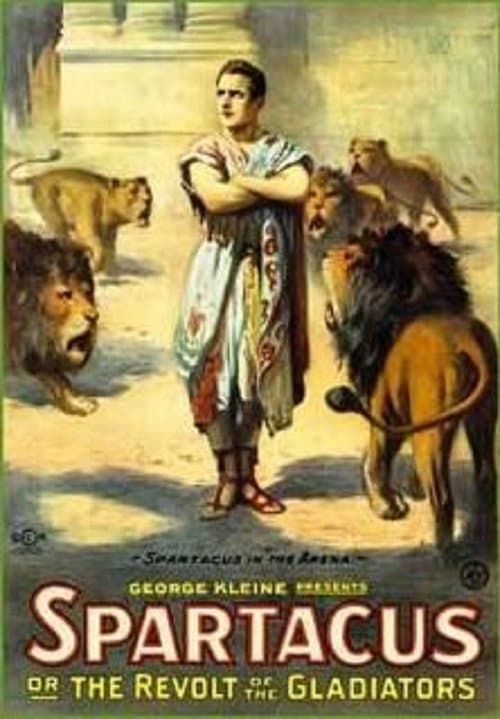
The second adaptation of Raffaello Giovagnoli's novel comes at a time when Italy really started pumping out their epic films with the longer running times, expensive sets and lavish production values. This film really doesn't stray too far from the source as we have our hero Spartacus being sold as a slave only to rise up and battle the evil Crassus.
May 1913
A wife is upon the point of breaking her honor, a bunch of primroses being placed as the signal to a huntsman who will pass through the grounds. Her husband's nobility is suddenly revealed to her, and she scatters the flowers to the wind.
Tonino Giolino is the cute little grandson of the prison warden. He loves helping grandfather his his duties, and is especially fond of hangings and the rack..... no. Basically, he goes into the cells with buckets of water for the prisoners. One of them is jailed for stealing a doll for his sick daughter. Tonino feels sorry, so he brings the girl all his toys and helps the prisoner escape.
Dec 1913
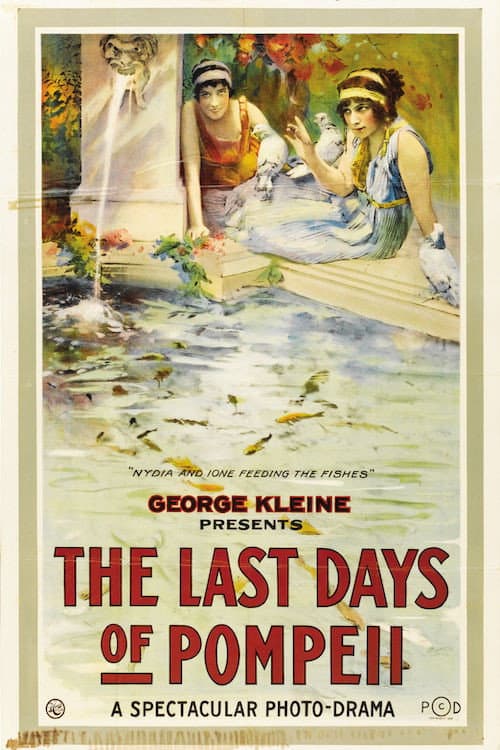
79 AD. In the city of Pompeii the young Glaucus loves beautiful Jone, although he's courted by Giulia and secretly loved by his blind slave Nidia. One day Glaucus is wrongly accused of murder by a priest of Isis, Arbace, who wants to marry Jone and please Giulia. Glauco is condemned to be devoured by lions in the arena of the city, on that very day the erupting Vesuvius. Jone ovvero gli ultimi giorni di Pompei (1913) was one of two major Italian productions of The Last Days of Pompeii done in 1913, and not to be confused by the more famous Gli ultimi giorni di Pompei (1913).
Aug 1913
Polidor finds out that his uncle, who made a fortune in America, is about to come back home. Polidor has never seen him, but he knows that his uncle has a bump on his head...
Compilation film.
Apr 1912
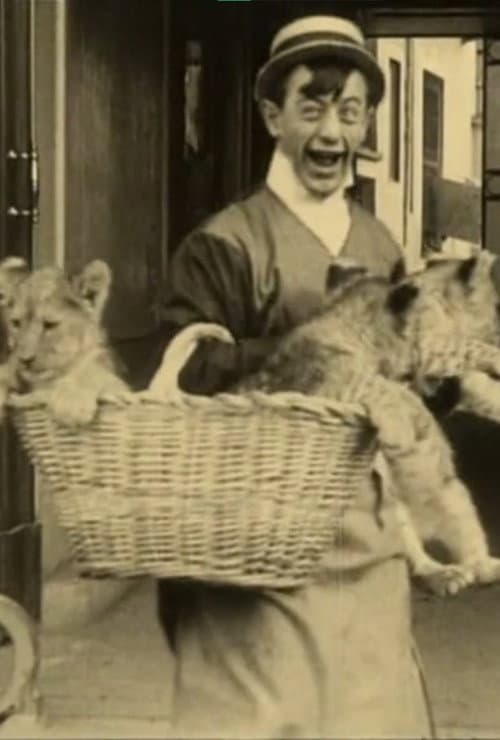
Polidor goes looking for lost kittens and brings home some lion cubs. He doesn't notice the difference until his employer points it out three months later, after they have eaten all the parlor furniture.
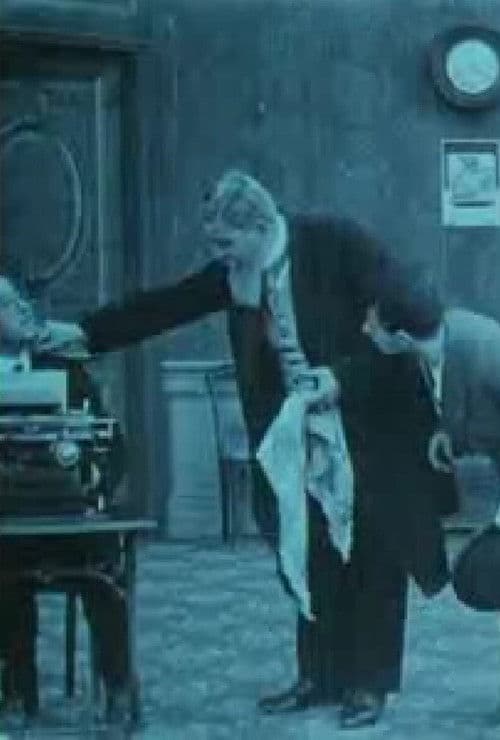
Polidor applies for a job that requires a collar.
Dec 1912
Using movement, colors and light – in a story that develops from dawn to dusk – the director confronts the splendor of the city and forces all the rules and technologies available to him to give us back not so much reality as impressions of pure beauty that only Venice can give.
Jan 1910