Menu
© 2026 The Couch Critic
Browse 26 movies from Deutsche Mutoskop und Biograph
Prison break. A murderer seeks refuge inside a barn.
Sep 1913
At the age of 50, the surgeon Privy Councillor Professor Imhoff marries the young, beautiful but poor orphan Annie von Arenberg. On the wedding day, the professor's students put on a ceremonial procession. Annie falls in love with the student speaker Baron Bernfeld. After a few months, she leaves her husband for him. Although the professor can hardly bear the defeat, he does not take revenge, but saves her new young lover's life during a complicated surgical operation.
Jan 1916
Mar 1915
Aug 1914
A woman's inattention results in her daughter's being run over and killed. Grief and guilt drive her mad.
Apr 1910
A dancer obtains the pardon of a conspirator.
Jan 1920
What Belongs to Darkness (German: Die Finsternis und ihr Eigentum) is a 1922 German silent drama film directed by Martin Hartwig and starring Karl Etlinger, Erra Bognar, and Fritz Kortner. The film's sets were designed by the art director Alfred Columbus.
Dec 1922
A traumatized man returning home from war discovers that his wife has slipped into the underclass.
Aug 1923
Jul 1918
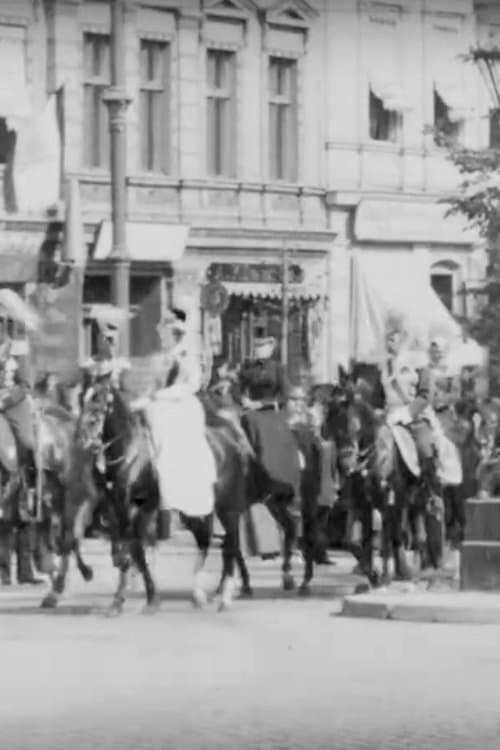
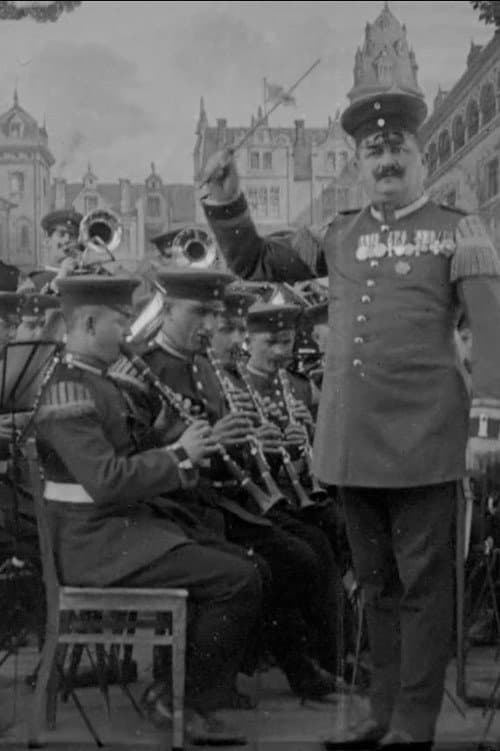
A military parade through Berlin.
Jan 1899
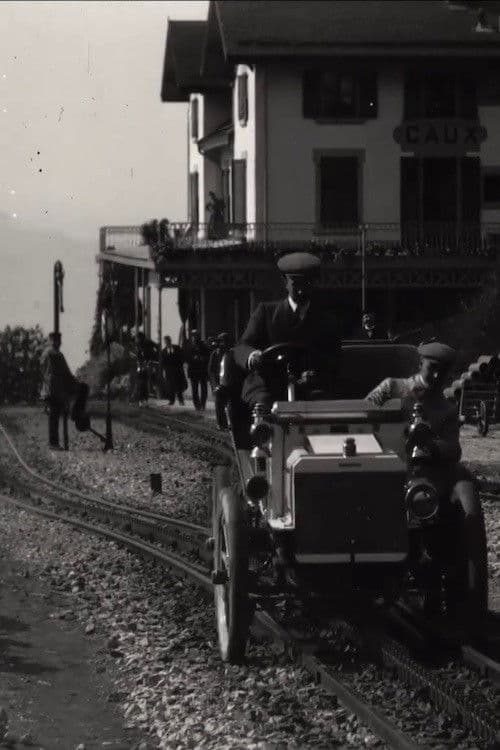
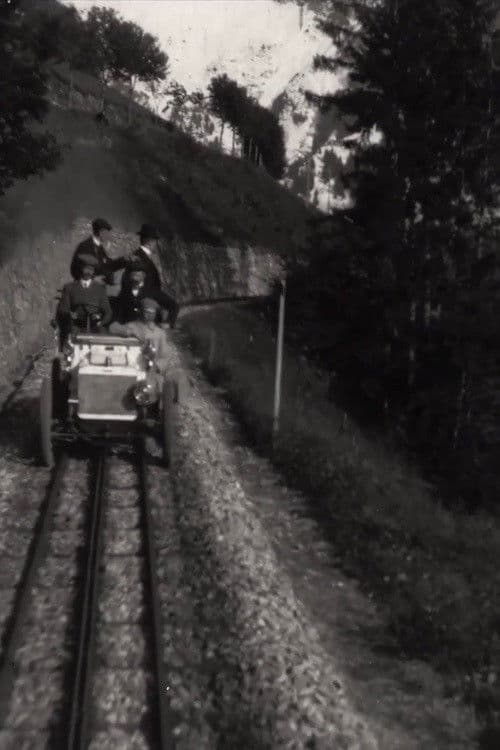
Filmed on a mountain railway from Caux to Rochers de Naye, Switzerland. Originally filmed in 68mm. The film was advertised as being available in 'standard Edison gauge' (35mm) at a total length of 620ft, which included both ascent and descent. The surviving combined 35mm footage (from 68mm originals) equals 519ft.
Jan 1903
Jan 1912
Women bathing in a german bath.
German Tonbild.
Jan 1908
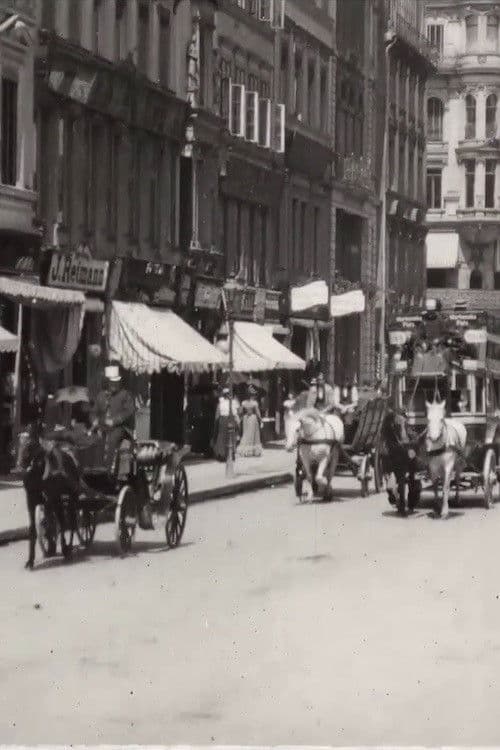
The busy Frederick Street in Berlin.
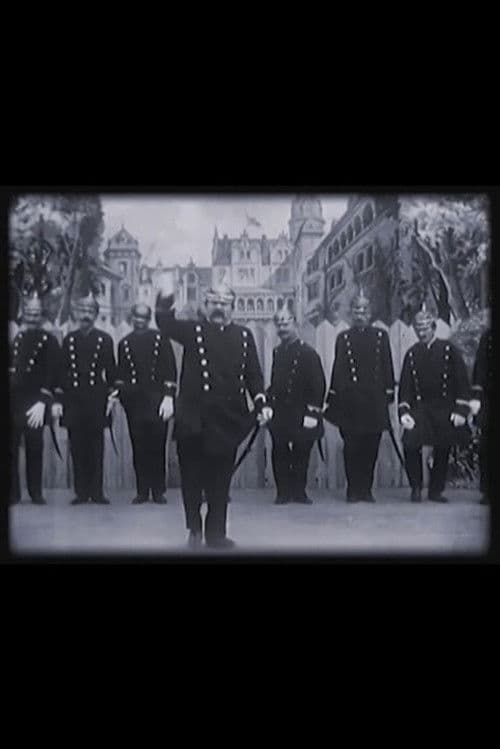
Policemen singing a song.
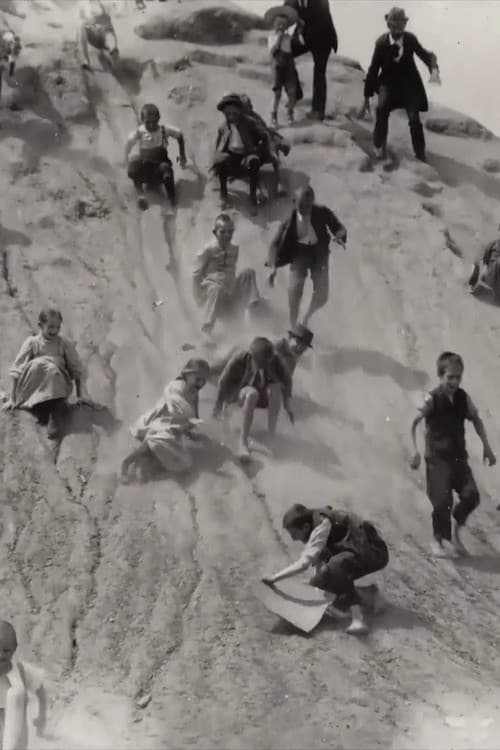
A very amusing picture, showing a crowd of children and old folks disporting on a sand hill in one of the big public parks of Berlin. This picture is one of the "hits" of the Biograph.
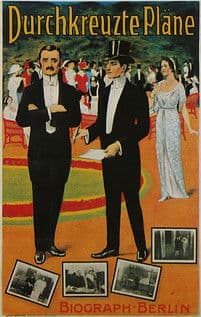
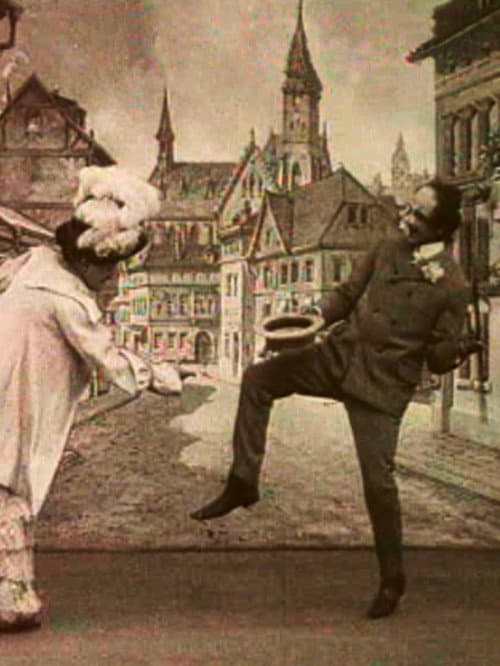
In the first scene, a gentleman invites a lady to a ball, in the second they are dancing after the ball in a restaurant - slightly drunk - with the resulting consequences for the restaurant.
Jan 1907
In a twist on the “Baby Incubator” phenomenon of the age, a fall into a slop pit gives a heavyweight farmer the power to incubate chicken eggs on his belly, much to the delight and advantage of his neighbors.
Jan 1913