Menu
© 2026 The Couch Critic
Browse 30 movies from Hargla Company
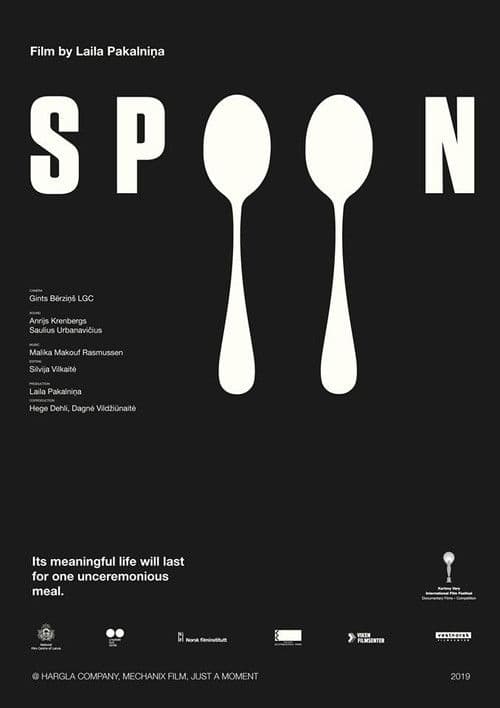
A film about a plastic spoon and a society that has reached a high level of development – oil is being retrieved from subterranean depths, transported to processing plants, turned into plastic, transported to another plant, where it acquires the shape of a spoon, transported to convenience stores, where we buy it, and is then soon tossed into the trash. In other words, this is a film about the efforts put into making a spoon that can be thrown away so effortlessly.
Jun 2019
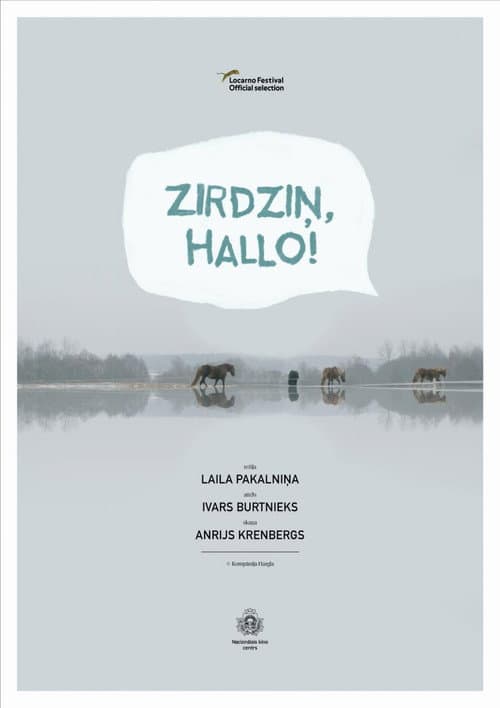
A film about everything changing while remaining the same. Or rather – everything remaining the same while changing. We observed this (and wanted to share) while standing (standing regularly and for a long time) on a road rather close to the Eastern border of Latvia, because we followed the suggestion of the locals who asked to shoot “that horrible road”.
Aug 2017
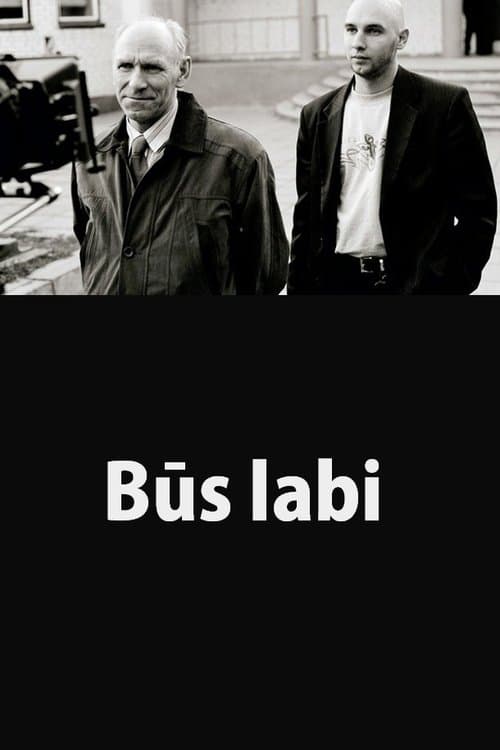
It is what it is. One needs a reason to get a passer-by to stop in their tracks and stand in front of the camera for a while. In this case the reason was - Mozart.
Jun 2001
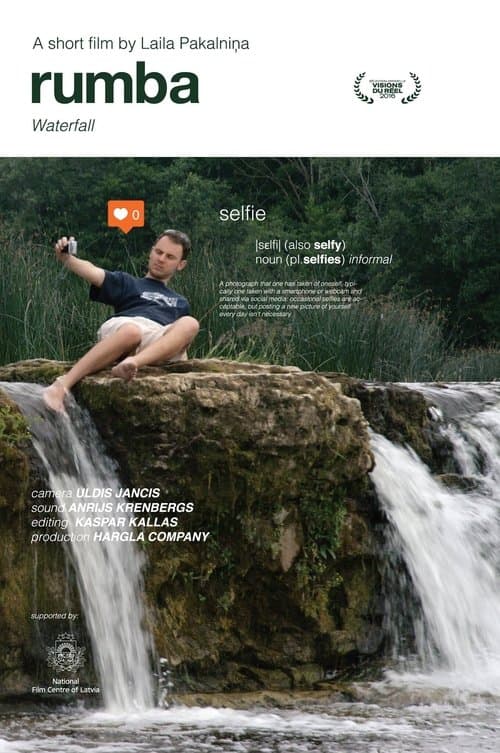
Waterfall and I, and – no, the other way around! This film is, of course, about nature – human nature. Or – what a human can do with the widest waterfall in Europe.
Apr 2016
As soon as I finished my first marathon, I wanted to become a tripod in order to make a film about it. That is because words are certainly not the right instruments to tell us what it’s like to run a marathon. I think we can try to show it through the characters, noises, texts, lights, the absolute physical understanding of shadows and of the sun, the water, the motions and the serenity. For those who do not practice running in marathons because they don’t want to or because they can’t, I wish to bring something from inside the marathon, out; for example, for my Mum, whose legs ache. I am acting like a spy sent into the marathon.
Jan 2013
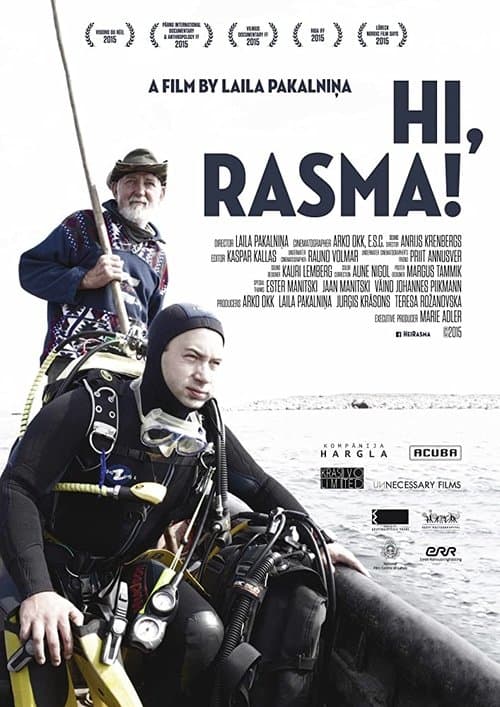
Just like ordinary people, whole nations often wonder why their neighbors are living better than they are. For example, where did the Estonians living on Mohni Island suddenly get bicycles and sewing machines? Could the answer have some connection with the Latvian cargo ship "Rasma", which sank near Mohni in 1941?
Mar 2015
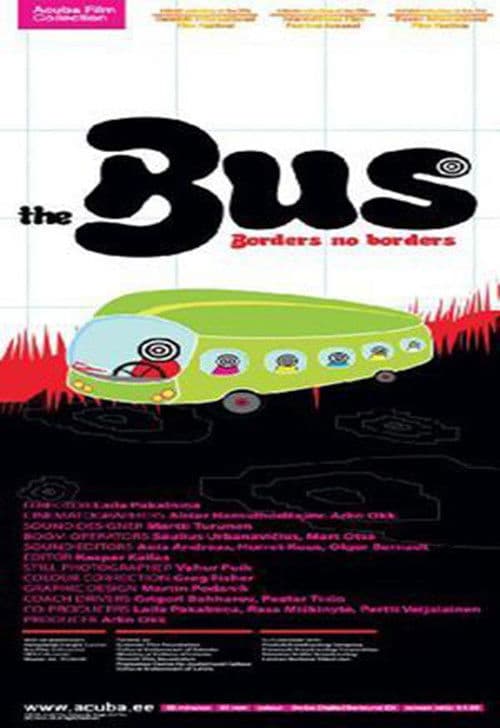
This documentary follows a bustrip from Tallinn to Kaliningrad. A route that was so common in the Soviet times now passes through 4 different countries and crosses 3 different borders.
Sep 2004
The intimacy of passing by. Heading home, to work, to see a friend, to buy dinner, or perhaps to the cinema. As the seasons change, we encounter fellow passengers along the way. They commute, sit, wait, get bored, maybe sometimes stare at their small screens more than through the windows – but they always reach their destination. Alongside them are kiosk vendors, vegetable and flower sellers, janitors, and drivers, whose daily routines complement the journeys of the travellers. Public transport stops become intimate crossroads, offering us an unexpected, moving visual symphony of Riga neighbourhoods.
Oct 2024
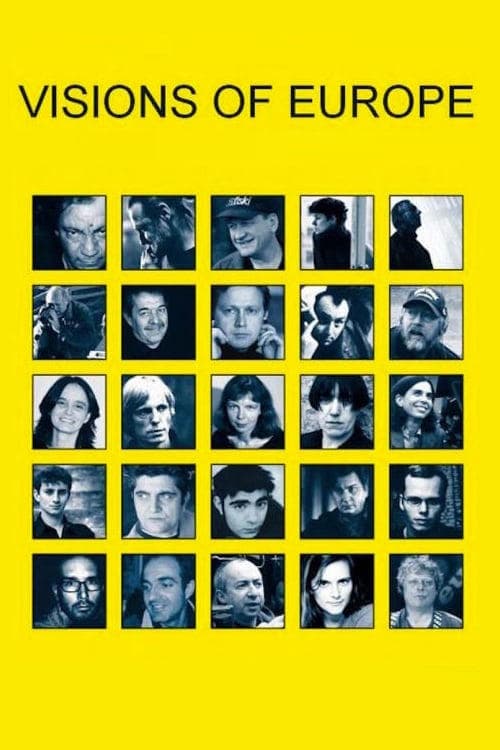
Twenty-five films from twenty-five European countries by twenty-five European directors.
May 2004
Various people on the street stand stock still in front of the movie camera as though their photograph were about to be taken. This lasts just a few instants, then they nod as they look into the camera and move on. A family, a group of friends, men. In the background, city noises.
Jan 2004
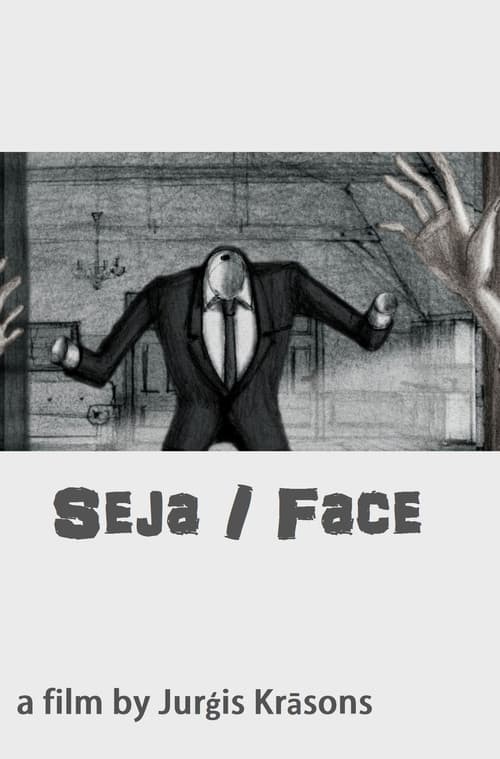
His own image in the mirror was so important that one day he didn’t find himself there.
Dec 2014
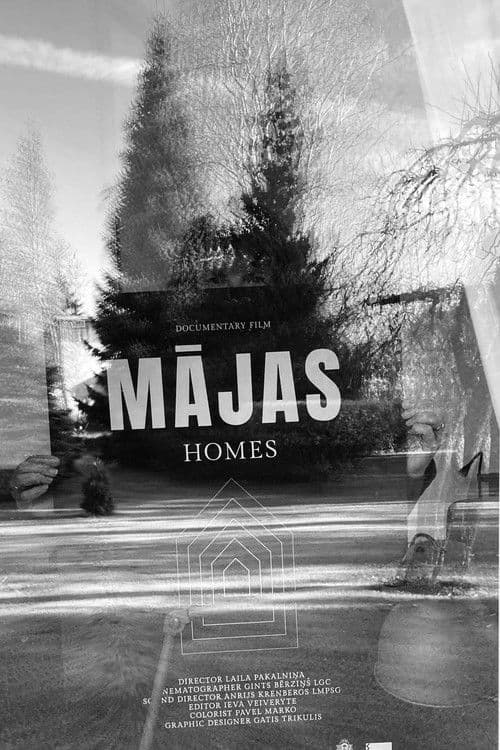
The camera stands in a house, the lens pointing through the window, outdoors, where the occupants of the home are standing. They respond patiently to the camera operator’s directions: a small step to the left, a little bit forward, no, back just a bit, yes, that’s perfect. Dozens of people pose in this way for a full minute. There’s a man who lives alone, a large family, an older woman on a trampoline. Some are entirely at ease, others more self-conscious. Rabbits, dogs, and cats are allowed to join these portraits, too. All of them are captured within the natural frame of the windows, along with the lace or floral curtains.
Nov 2021
Once upon a time there was a chimney. By the chimney - there were three houses. In the houses there were seven girls. All of them - blondes.
May 2013
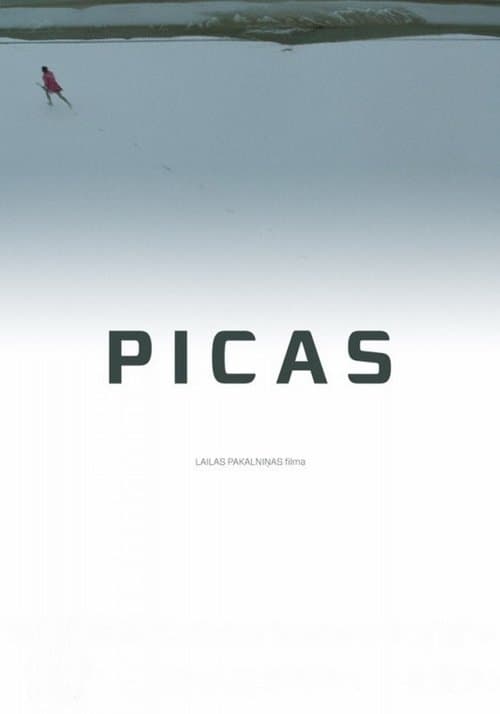
Playfully avant-garde and exhibiting an intriguing sense of humor, PIZZAS offers a puzzle of widescreen imagery, brash pop moments, and road movie ambience. Pakalnina, Latvia’s best-known director, spun this cryptic but airy comedy/tragedy from a news item about two 18-year-old fast-food workers who robbed their employer’s safe and split. (Gene Siskel Film Center)
Nov 2012
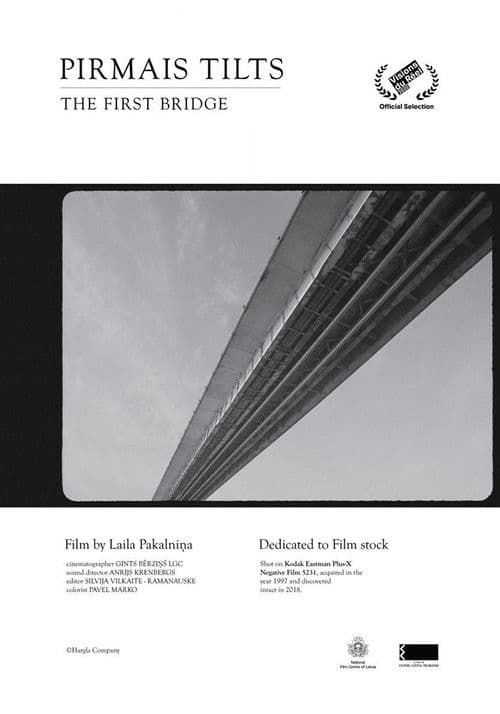
The First Bridge is a film about frontiers, barriers, the ways to cross over and see what goes on, on the other side. But it also a film about time, as it was shot on Kodak Negative Films acquired in the year 1997 and discovered intact in 2018.
Apr 2020
Santa Claus lives on the fourth floor of an apartment block. Santa owns seven dogs, six cats, two rabbits, one crow, one pigeon, one chinchilla, one guinea pig, ten degus and some fish.
Sep 2011
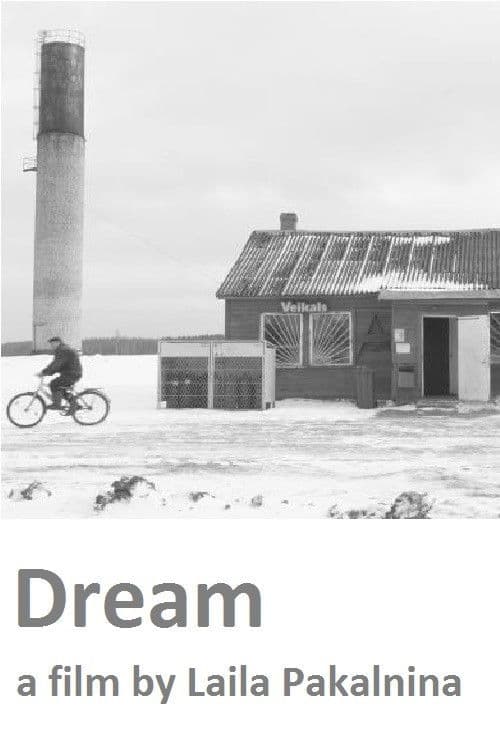
A shop by the side of the road. One after another, people enter and exit the small building. The randomness and illogical nature of the action feels unreal. The sense of timelessness and of being in an unnamed place further heightens the dreamlike nature of the scene. The nearly motionless black-and-white camera records a fragment of life in a place torn from the context of the world.
Jan 2016
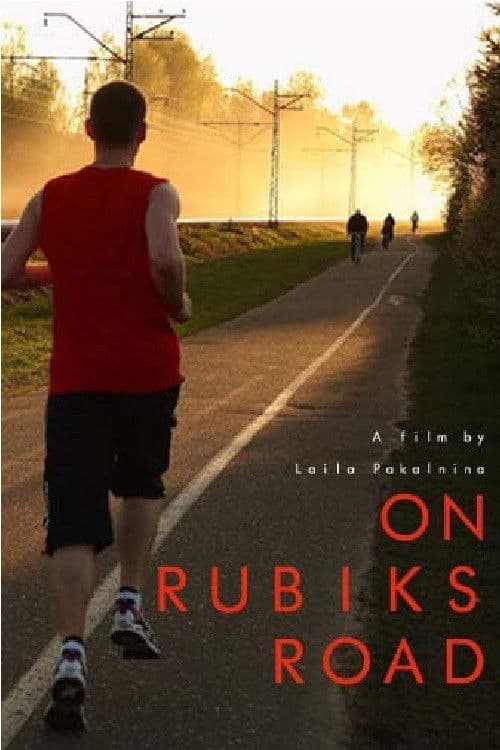
Rubiks’ Road is a bicycle path built in the 1980s and named after Alfreds Rubiks, leader of the Latvian Communist party at the time. One of the most ferocious opposers to Latvia’s independence in the early 1990s and later elected to the European Parliament.
Apr 2010
Maria decides to go for a swim in the pool even though it looks deserted and she’s warned that the water is cold. When she gets into the pool she is faced with not only the frigid water, but with her other feelings as well. Like fear.
Jan 2006
He really is a superhero - He hides people in the cellar. And then He finally wants to be happy - He goes to another woman, leaving his wife, his little daughters and eleven people in the cellar. She is not a hero. She wants to forget not only Him, but also the cellar.
0