Menu
© 2026 The Couch Critic
Browse 10 movies from Big Sky Film
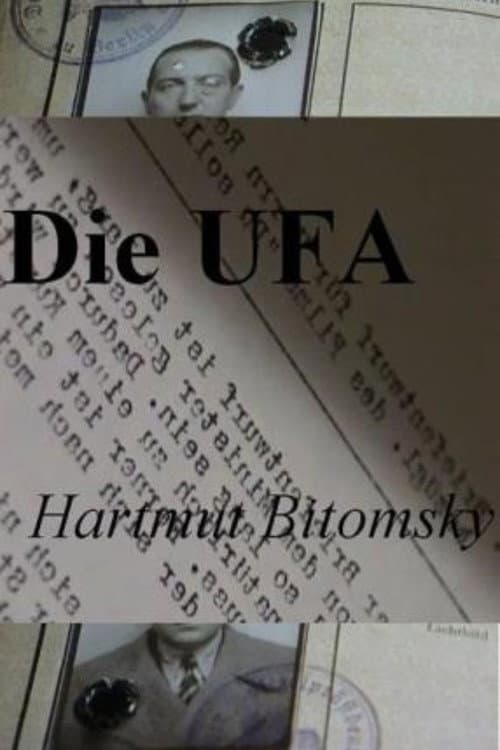
Die UFA, a film essay about the eponymous German studio.
Sep 1992
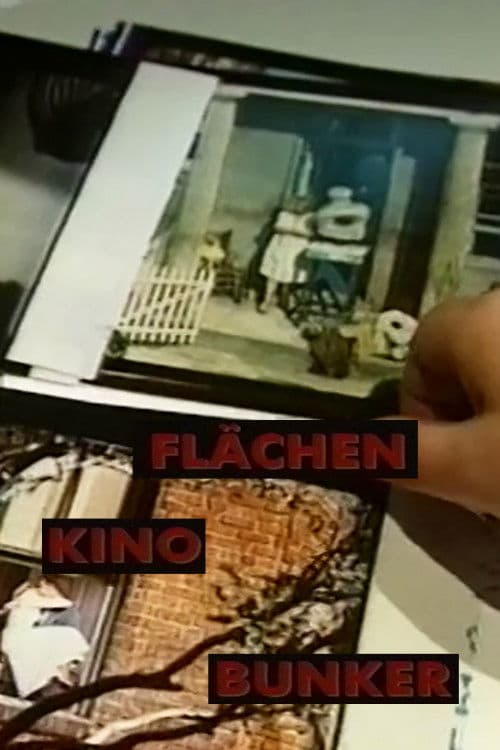
Barrage and Bunker is an essay film about the (narrative) space imagined by fiction films. Reflections and associations about movement in space are the basis of every kind of story-telling. The film is sometimes referred to as part of Bitomsky's Cinema Trilogy. Sequences from over 20 movies are quoted and commented on by a team of three "researchers" (Bitomsky, Petzold, Tanner) in a sort of laboratory. TV-monitors, production stills and screenshots are used as well as quotations from books. A long night's work.
Oct 1991
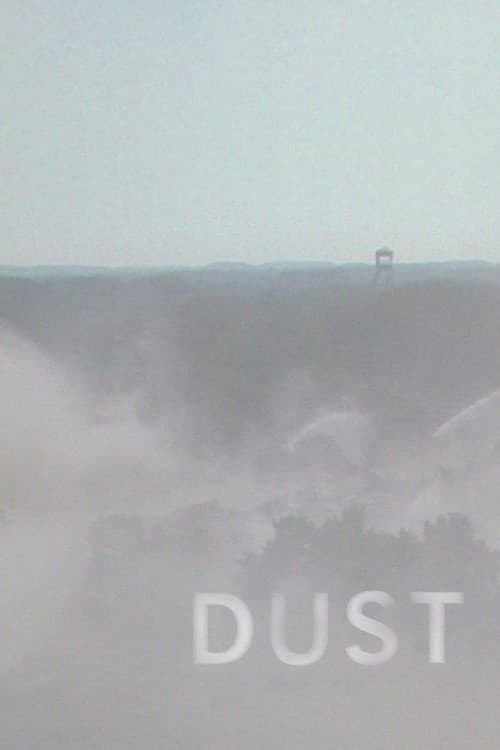
A look at the pervasive power of dust from its tiny particles settling in unseen places to its ability to cause illnesses and create the cosmos.
Aug 2007
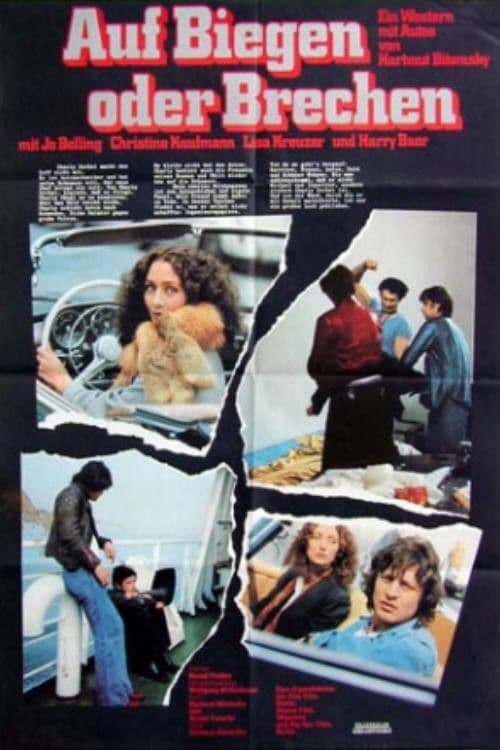
A darkly comedic exploration of personal struggle and societal pressure, we follow the story of a middle-aged man named Max, who is trapped in a life of monotony and frustration. After a series of unexpected events, Max finds himself in increasingly absurd and challenging situations, forcing him to confront his own limitations and fears. With sharp humor and a critique of societal expectations, the film delves into the pressures that shape our lives and the lengths we go to in order to break free from them. A poignant yet quirky tale about bending to life's demands or breaking under the weight of it all.
Nov 1975
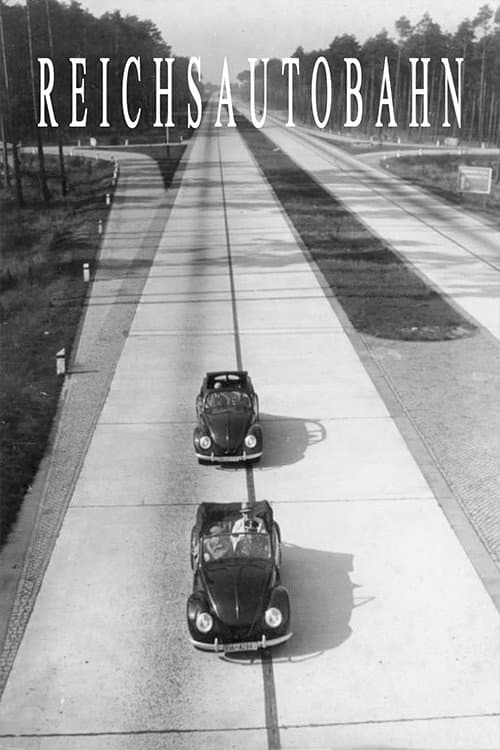
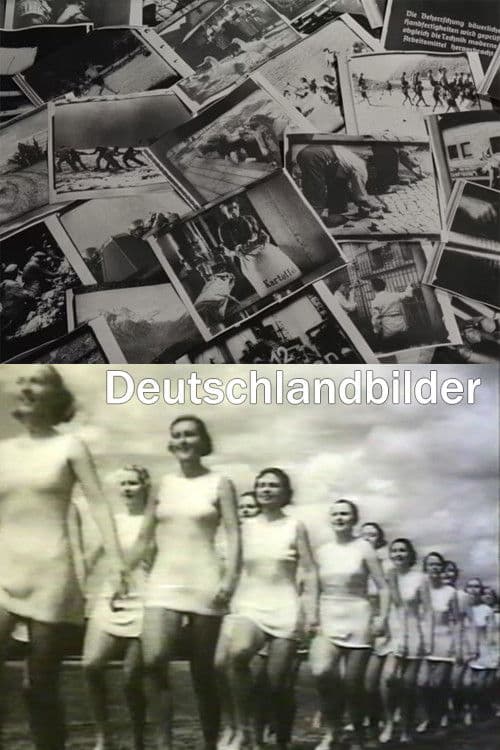
While working on "Deutschlandbilder" (1983), Hartmut Bitomsky was examining film material produced by the Nazi regime when he came across an abundance of footage documenting the planning and construction of motorways. In this found footage documentary he investigates what this material actually says: the motorway is stylized within it as a promise of progress and modernity, a "lifeline of the nation", less a straightforward piece of infrastructure than a prestige object, a work of art.
Feb 1986
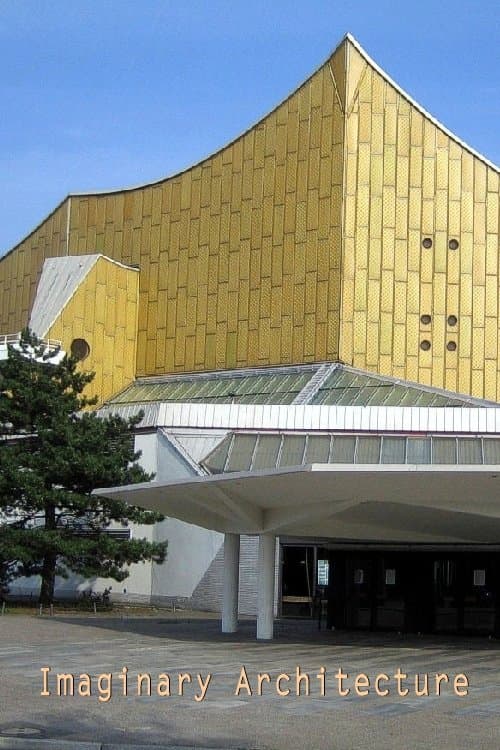
Hans Scharoun has built houses which show not only structural substance and aesthetic forms but also how human beings should live in buildings. This depiction can only be imaginary - like reading invisible writing on walls. Bitomsky's film looks at several of Scharoun's buildings.
Jan 1995
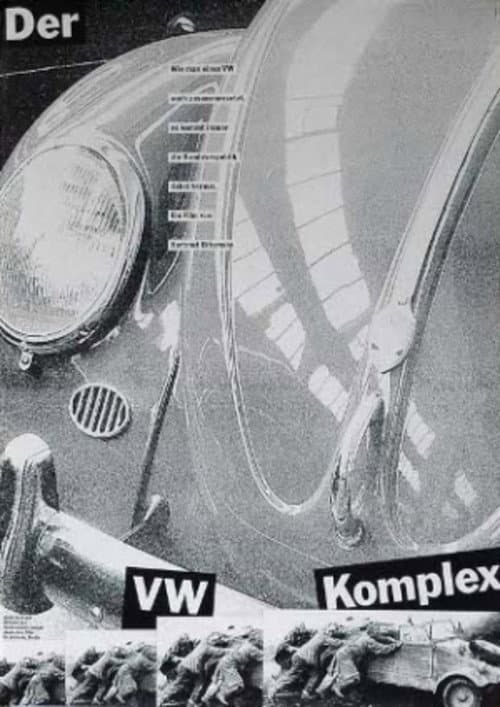
It takes a day and a half to assemble a VW Golf 2. Hartmut Bitmosky traces a car’s journey through the fully automated production lines in Wolfsburg and explores the development of the VW Group using archival footage. Moving almost in time with the machines, the director constructs a documentary collage—a visual exploration of the corporate giant, which appears as dehumanized and automated as its production process.
Nov 1989
“Why does cinema need death, when it can’t show it?” The filmmaker’s monologue and the discourse of images meet
Dec 1988
This compilation film focuses on the contents of Nazi propaganda shorts such as "The Beauty of Work" (1934), "We Have No Problems" (1933), or "The Will To Live" (1944) that preceded the feature films in German movie theaters between 1933 and 1945. The shorts reveal that men and women workers were idealized, uniformity was stressed, optimism in the face of adversity was the goal, and, in general, all the classic lies that dictatorships use to control and mold their citizens are featured.
Feb 1984
'Dark money' contributions, made possible by the U.S. Supreme Court's Citizens United ruling, flood modern American elections — but Montana is showing Washington D.C. how to solve the problem of unlimited anonymous money in politics.
Jan 2018