Menu
© 2026 The Couch Critic
Browse 48 movies from Lucernafilm
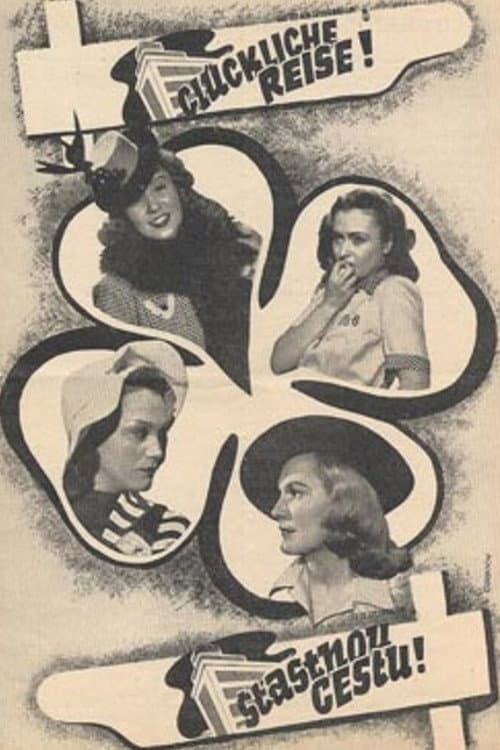
Filmed during the Nazi occupation, this panoramic drama set in a Prague department store follows the divergent destinies of four female coworkers, each of whom seeks happiness in a different way.
Dec 1943
Scientists demonstrate the wonders of magnified objects.
Aug 1939
A young farmer, Jan Aleš, is drafted from his native Pošumaví to join the army. Since he likes his new environment, he stays with the army as a long-term serviceman. He even successfully passes the exams for the military academy. There he becomes friends with his Slovak colleague Milan Jurčík. He studies diligently, but thanks to Milan he sometimes finds time to go out into the city. That is how he meets the factory owner's daughter, Zdenka, with whom he falls in love. However, her father is not very happy about the promising relationship.
Oct 1938
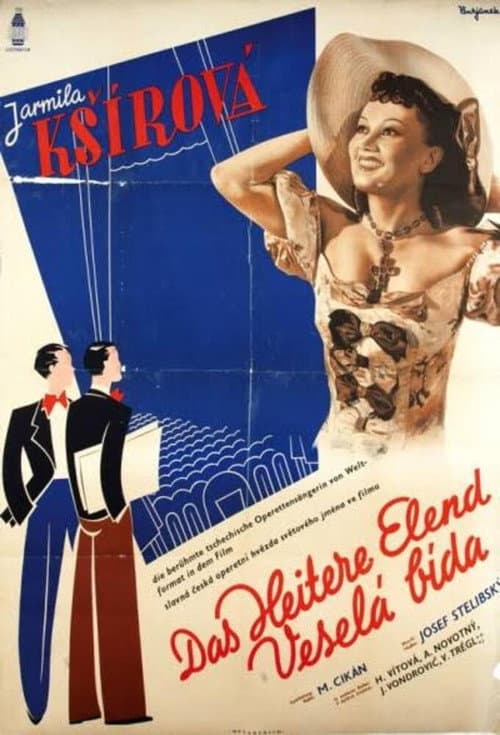
Two young composers offer their operetta in vain - it is rejected before anyone reads it. By a coincidence, when its text ends up in the wrong briefcase, it ends up with a popular singer who, on the contrary, likes it very much, but has no idea who wrote the play... The search for the authors, personality confusion and budding love become the main plot elements of this pleasantly naive film, where there is constant singing.
May 1939
Mar 1919
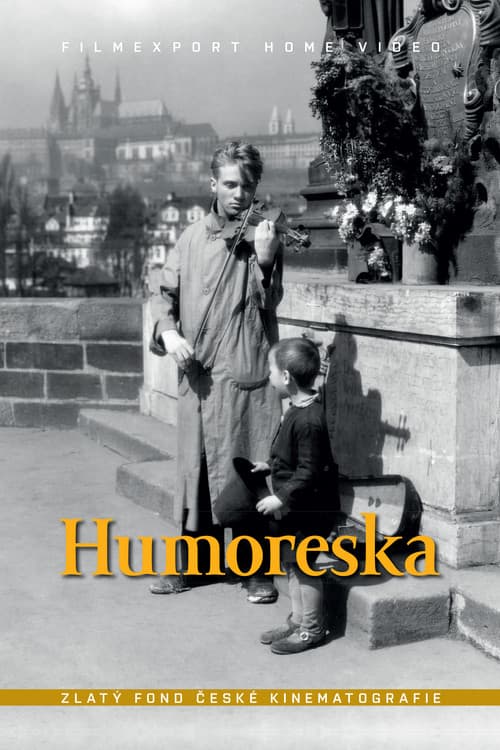
Dvořák's well-known composition reappears again and again in the serious moments of the lives of the father and son Hupeks - talented non-professional musicians for whom music gives them the opportunity to rise above difficulties and problems...
Nov 1944
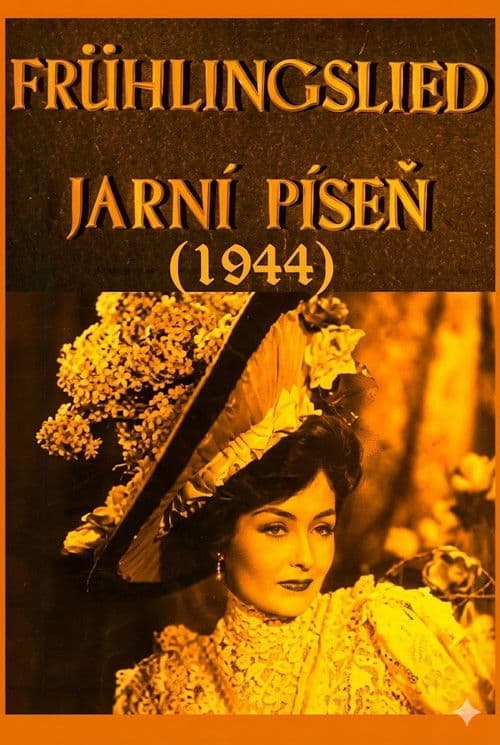
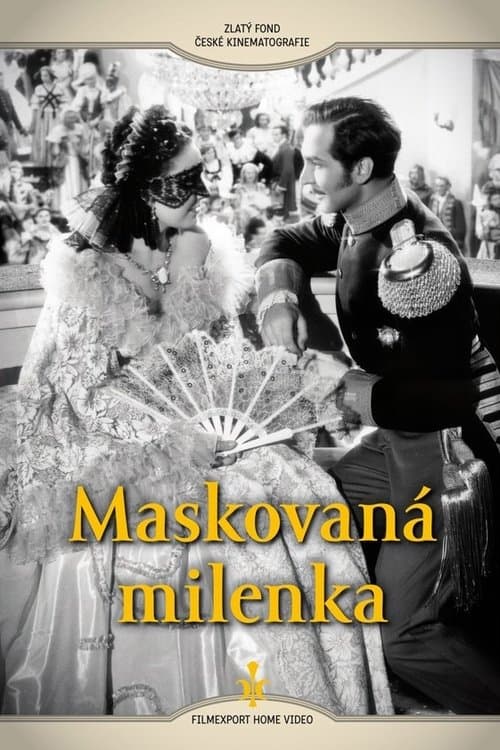
A romantic story of a noble lady who wanted to live without the bonds of marriage, but her desire for a child led her - carefully disguised - into the arms of a young nobleman. Only years later did she believe in his love and make herself known.
Oct 1940
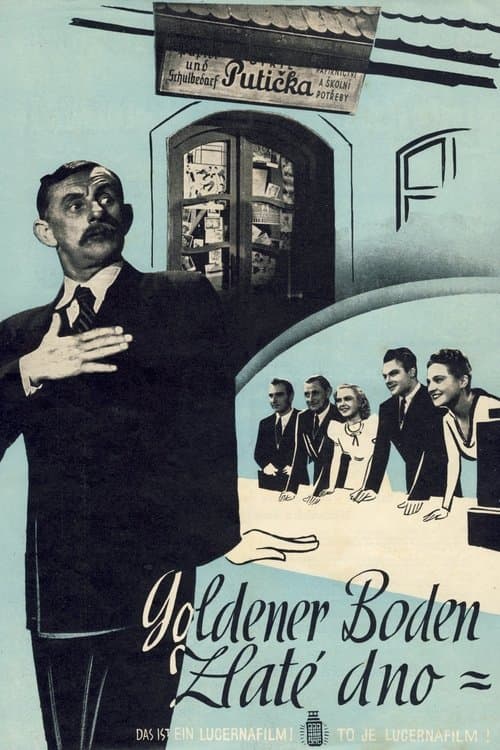
A village shop owner is convinced by his children to move to Prague, where they say he'll be able to enjoy a fine retirement in a modern furnished apartment. Bored by life in Prague with nothing to do, the old man takes to helping a young widow in her stationery shop.
Feb 1943
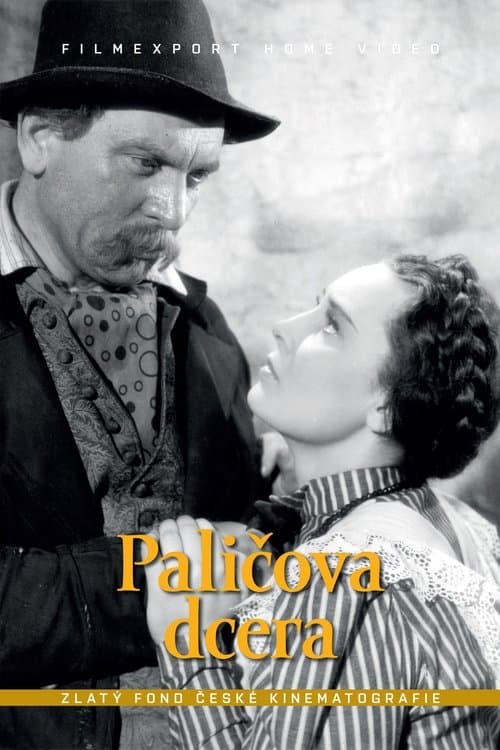
The fiddler Valenta has troubled his wife with his drinking and disorderly life. His daughter Rozárka and her younger sisters go to their aunt's in Prague, and their father sets fire to the abandoned house. Rozárka is suspected...
Mar 1941
Jul 1956
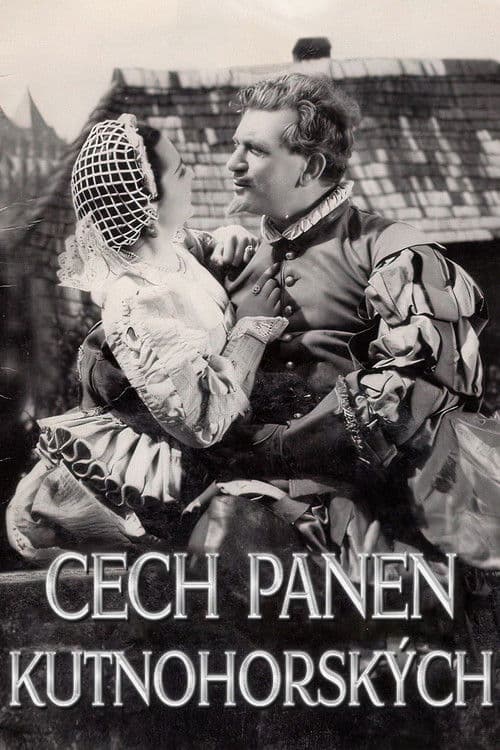
A morally questionable lord comes to the aid of a working class man who is to be executed for speaking out about thieving rich scoundrels sticking it to the poor.
Sep 1938
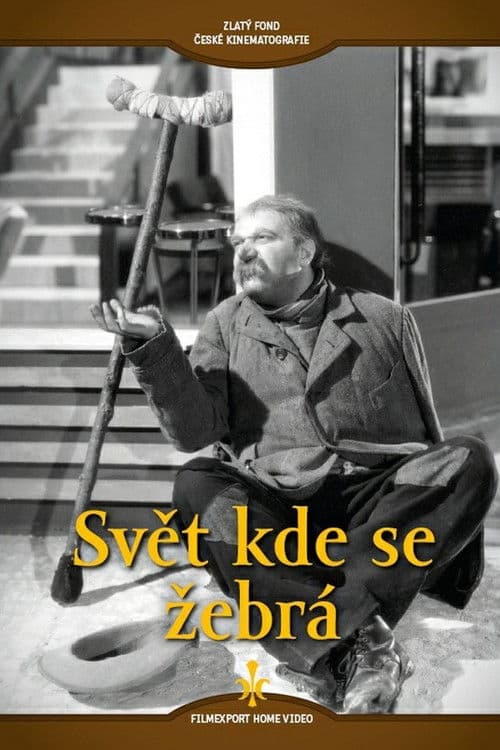
The smooth narration, corresponding to the requirements of a light comedy, develops the smiling and optimistic story of the "one-armed" beggar Dostál, who earned enough money with his excellent begging skills to buy a nice house, become a respectable master of the house, and save the impoverished lawyer Neprosil from poverty, who he contributed regularly to him when he was still well off. He also wanted to get him together with his pretty ward Zorka, for whom he said he would be an ideal husband, but the young people were able to do that by themselves and without his clumsy help, or rather despite his rather ineffective help... The film was shown at the VI. IFF in Venice in 1938.
Jun 1938
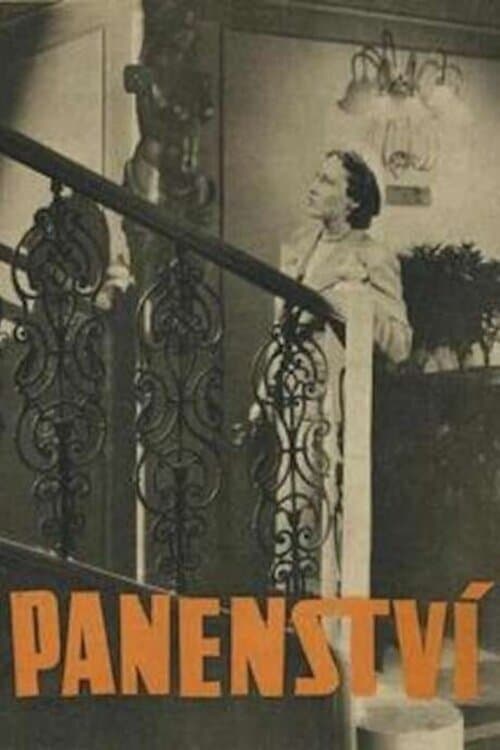
The doomed love of a city girl caught in the vise of poverty is detailed in Vavra’s fluid, romantic work, one of the most elegant creations of the Czech Modernist era... The film lingers over its characters’ habitats and haunts, finding psychological truths in what each owns or desires, and countering every Hollywood-ready scene of gleaming restaurants and dazzling penthouses with realist moments of employment lines and crammed flats. Vavra’s classical camerawork and aura of romantic defeatism give Virginity a force comparable to the master of this genre, Hollywood’s Frank Borzage. (BAM/PFA)
Nov 1937
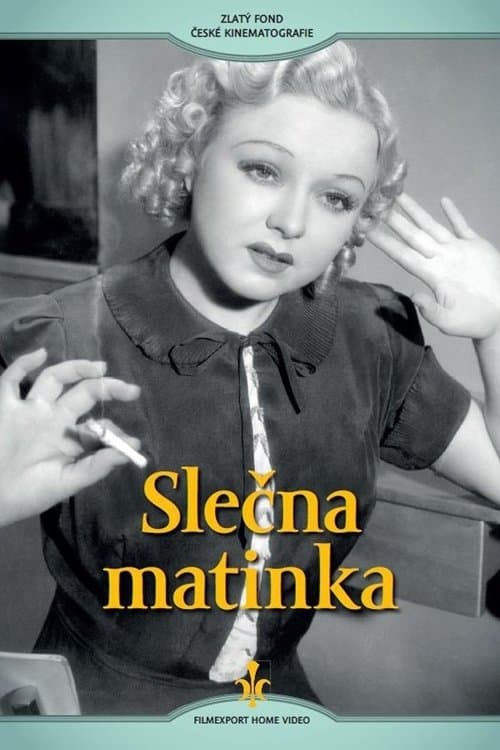
The owner of a fashion factory, Rafael Klučina, is desperately looking for an imaginative advertising campaign that would attract the public and raise the profile of his business. However, the head of his advertising department, Filip Muška, seems unable to come up with one. In the end, they are helped by the model Boženka Smolíková and her talent for perfect disguises and masks. The unusual advertising campaign involves Boženka traveling around the country for fourteen days in model clothes, and whoever recognizes her will win a prize of fifty thousand crowns...
Aug 1938
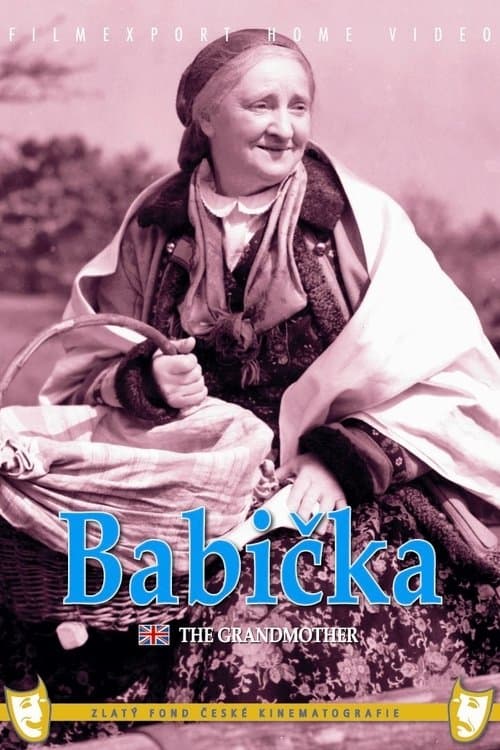
A highly romanticized autobiographical novel by a Czech 19th century writer, Bozena Nemcova. It's a classical, compulsory reading in Czech schools, about a wise, working-class woman, happier in her simplicity and good heart than the nobles whom she serves.
Nov 1940
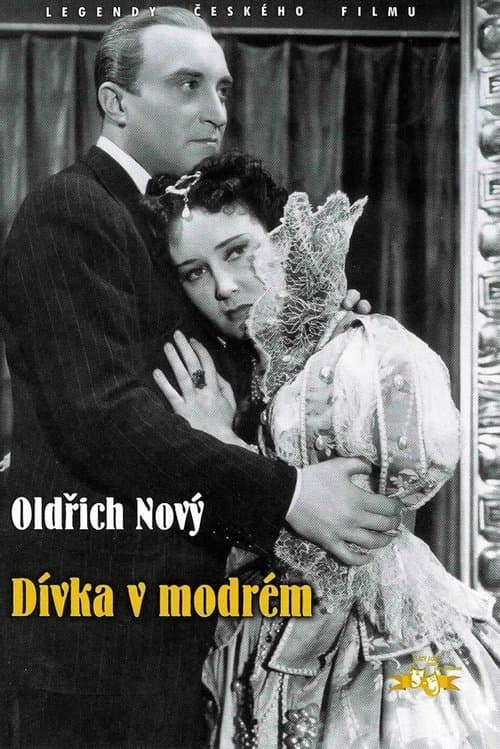
A painting of a girl from another time comes to life for it's buyer in this costume comedy.
Jan 1940
The families of Vavruš Cagala and Cyril Hanulík live in a secluded area in the Beskydy Mountains. Vavruš and Cyril are hardworking woodcutters and foremen. Cagala's daughter Terezka likes Tomáš Hanulík, but she also likes Pavel Zgabaj, the son of the owner of the farms in the valley. Cyril Hanulík is jealous of his Heva and wrongly suspects her of infidelity. Francek, whom Heva loved before their marriage, takes revenge on the Hanulíks: he sets fire to their apiary, from which he seizes Cagala's hayloft. Since then, misfortune has befallen the Cagala family. They lose their horses and wood, and old Zgabaj demands the money he lent them. He is only willing to back down from his demands if Terezka marries his son. Cagala does not want to allow her daughter to sacrifice herself, so the girl secretly goes to the farm to work there as a helper on the farm...
Oct 1944
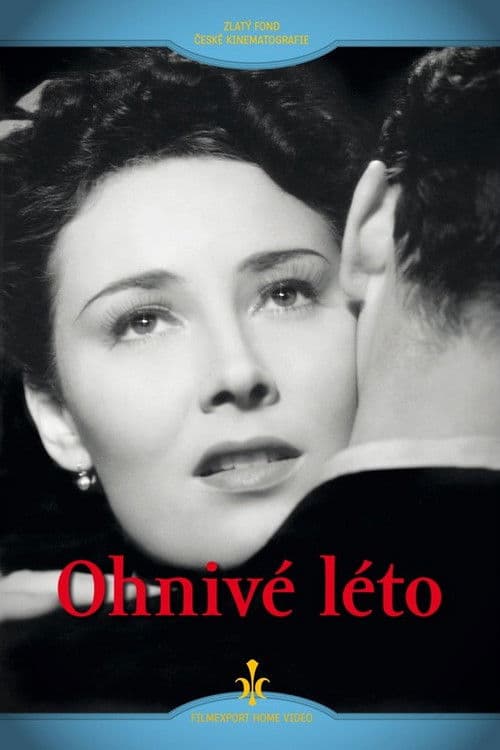
This romantic story turns on a stirring infatuation that takes hold of three young people under the influence of Simon, a Prague student. After the study year, 18 year-old Julio returns to his parental home, a little chateau on the Otava river. There he converges with his childhood friend Petr and the young boatman's daughter Klárka. Sharing her beguilement with Simon, who has quickly turned a tranquil summer atmosphere into a relationship drama, is Julio's cousin Rosa.
Oct 1939
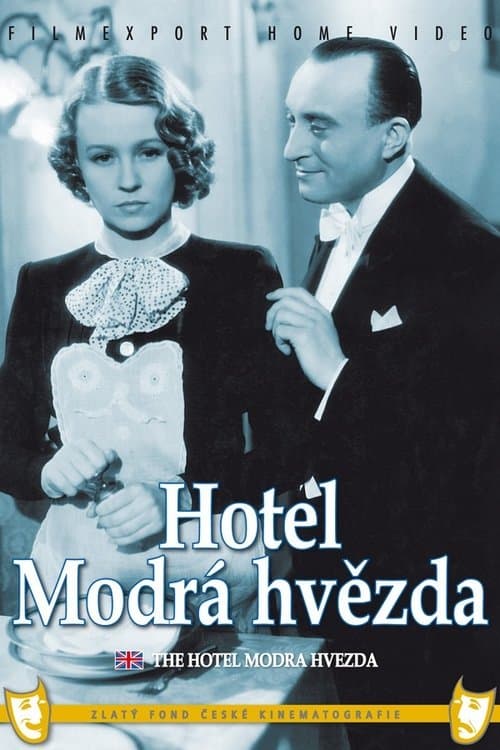
It all begins when Zuzanka, the new young owner, arrives at the dilapidated Blue Star Hotel. Determined to put the declining inheritance back on its feet, she starts chasing three young men, including the composer Jirka, who, dressed in a waiter's tailcoat, is to work off his debt to the new owner. Like his two friends, Jirka succumbs to the charms of his new boss and, with some confidence, hopes that he is the one who has the best chance of becoming her chosen one. At that moment, however, a guest arrives, intent on carrying out the family tradition and throwing an engagement party at the Blue Star Hotel, regardless of his condition. This, however, is not to the liking of his wilful fiancée. Fortunately, there is the sympathetic Zuzanka, who charms the unusual guest so much that he resolutely breaks off his engagement to the rich girl and prefers to marry the cute hotelier.
Aug 1941