Menu
© 2026 The Couch Critic
Browse 6 movies from Victor Halperin Productions
The tale of Bonnie Day, a rambunctious young lady who is rankled when she is expelled from college for serving tea in her room. She goes on to open up a tearoom in a fancy hotel, saving all the profits to pay the legal fees for her father who has been unjustly jailed. Mr. Day's rival has embroiled him in a crooked stock deal and made him appear to be the guilty party. Meanwhile, Bonnie is in the midst of a romantic dilemma; her Aunt Pearl wants her to wed Napoleon Dobbings, but Bonnie much prefers helpful young lawyer Art Binger.
Aug 1923
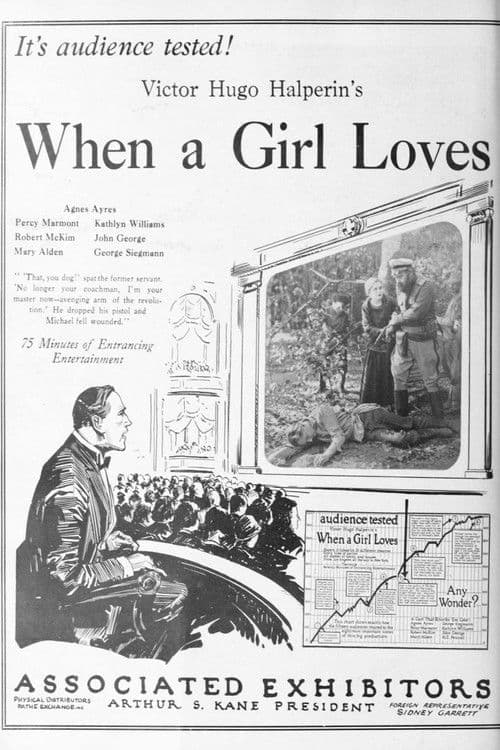
The revolution causes Sasha Boroff's wealthy family to lose its fortune; and her lover, Count Michael, is sentenced to death by Rogojin, the Boroffs' former coachman. Rogojin's sudden death saves Sasha from marriage to the despot, and the Boroffs escape to the United States, where Sasha marries Dr. Godfrey Luke to please her family. Later Sasha discovers that Michael survived, fled to the United States, and married Helen, an American. When Helen has a love affair with Dr. Luke, Michael challenges him to a duel. Sasha is wounded in the exchange of gunfire, the shock prostrates Michael, and Grishka cures him with a radio-vibration device. At the end, Sasha and Michael are still happily married to their respective American spouses.
Apr 1924
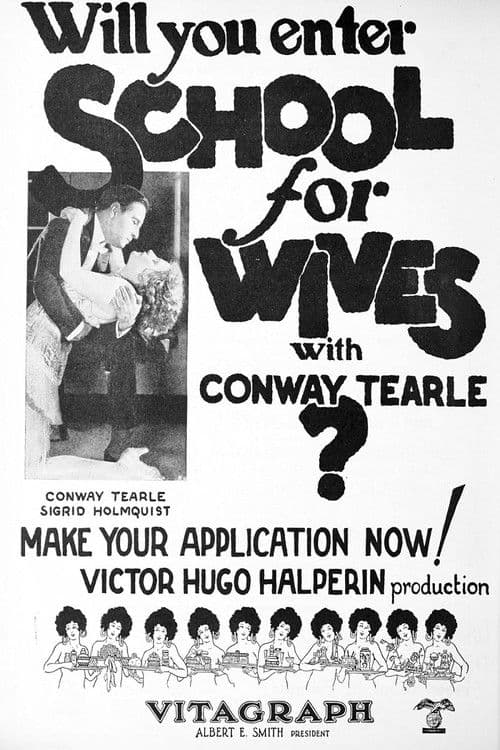
School for Wives is a 1925 American silent drama film directed by Victor Halperin and starring Conway Tearle, Sigrid Holmquist, and Peggy Kelly. It provided an early role for the future star Brian Donlevy. Based on Leonard Merrick's 1907 melodramatic novel The House of Lynch, it was not well-received by critics.
Apr 1925
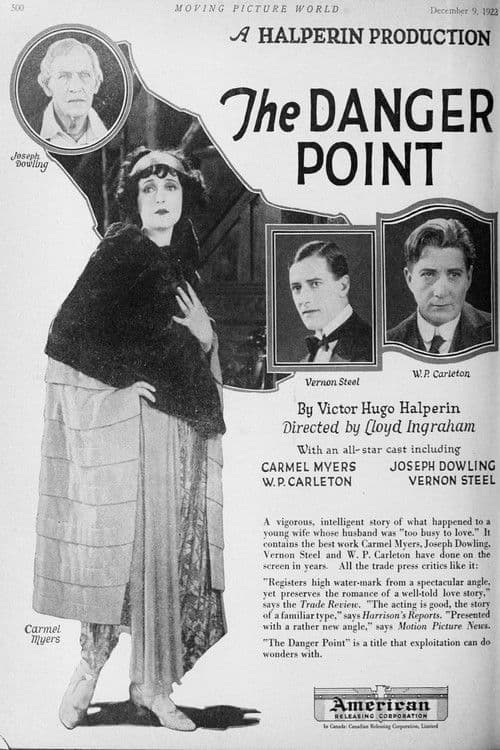
James Benton marries much younger Alice Torrance, who is from from the city, but she soon finds it difficult to adjust to the small town and Benton's preoccupation with his oil wells. When Benton is away, Alice leaves him.
Nov 1922
Elaine Kent weds Kenneth Billings, a young man who has a taste for wild living. She attempts to reform him and his exasperated father disinherits him. Now that he is without money, Kenneth starts a dye business and he proceeds to throw himself into it with the same amount of effort he once spent on the high life. As a result, he overworks until he is on the verge of a nervous breakdown.
Oct 1925
Nov 1924