Menu
© 2026 The Couch Critic
Browse 15 movies from Film d'Arte Italiana
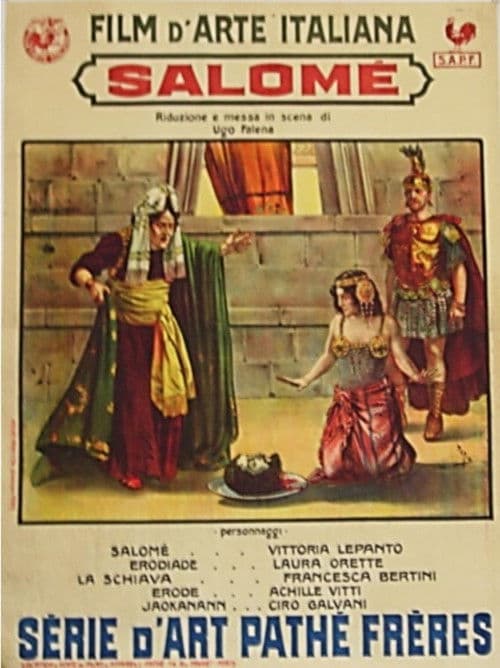
Based on Oscar Wilde's version of the story, what is noteworthy is the sheer luxury of the production, an attempt to capture the wild and weird Aubrey Beardsley illustrations that transfigure the work. The sets are elaborate, with stonework and palm trees and draperies. There seem to be dozens of dress extras, courtiers at Salome's dance and soldiers.
Jul 1910
Jan 1919
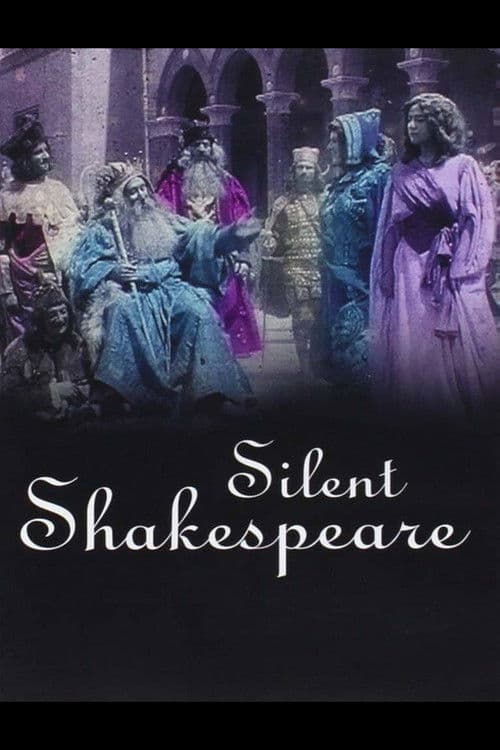
Hand-tinted Italian verison of the Shakespeare Classic King Lear.
Dec 1910
Jan 1910
A film based on the drama of the same name by Antonio Gutiérrez, which formed the basis for Giuseppe Verdi's famous opera Il Trovatore. Count di Luna gives his sons identical medallions so that they can always find each other. Separated by fate for many years, they meet again when they both seek the hand of the same girl.
Aristocrat Armand Duval meets the courtesan Marguerite Gauthier, after which he never stops thinking about her. The young man’s family is adamantly opposed to his relationship with a girl of easy virtue. For the sake of Armand’s future, Marguerite, who is dying from consumption, sets him free.
Nov 1909
Gerolamo Lo Savio's version of William Shakespeare's Othello.
With a friend desperate for money, a merchant takes out a loan from a ruthless money-lender. Confident that his ships will soon be bringing him great wealth, the merchant willingly agrees to conditions of the loan that put him at great personal risk.
Feb 1911
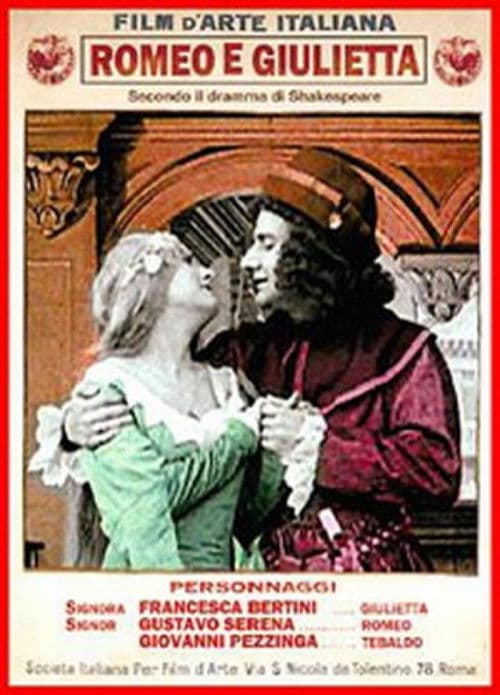
The 1912 Italian version of Shakespeare's Romeo & Juliet.
Jan 1912
A early film adaptation of "The Rape of the Sabines" which is an episode in the legendary history of Rome, traditionally said to have taken place in 750 BC, in which the first generation of Roman men acquired wives for themselves from the neighboring Sabine families. The English word "rape" is a conventional translation of Latin raptio, which in this context means "abduction" rather than its prevalent modern meaning in English language of sexual violation.
Feb 1910
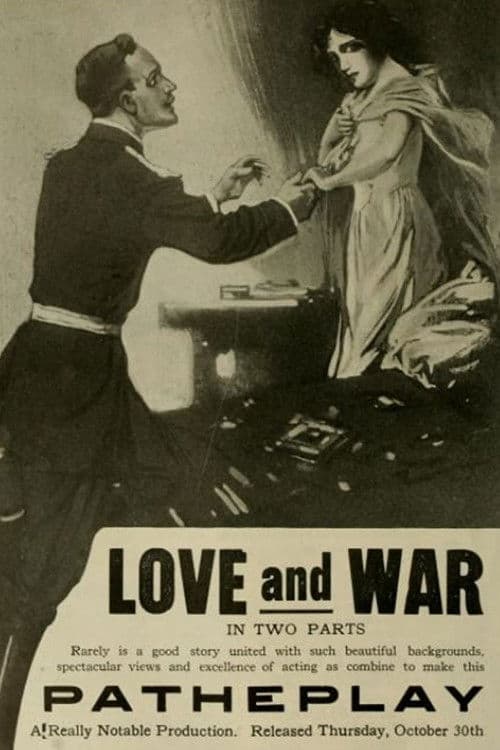
He is a brave and gallant young lieutenant of the Italian army at a time when his country is on the eve of war with Turkey. He becomes infatuated with a country girl of intense love nature and splendid womanhood, one lacking knowledge of the world and experience in life. When her feeble insight into character and motive is pitted against his superior intelligence and that long practice in the craft of heartbreaking that enables a handsome gentleman in uniform to practice a form of enchantment with such women, the result is easily foreseen.
Oct 1913
0
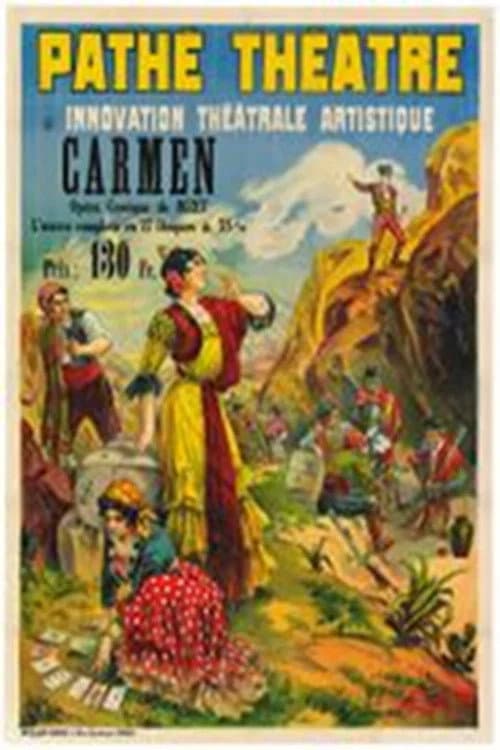
Don José Navarro, a cavalry brigadier in the Almanza regiment, meets Carmen, a gypsy girl from Seville whose beauty and provocative air seduces him to madness. He betrays his orders to court her, and soon, at her instigation, joins a muggling company, thus abandoning himself completely to a life of adventure. Don José commits crimes to protect the treasures entrusted to him by Carmen, but when he discovers her with another man, tragedy befalls.
Jan 1913
Hippolytus, the handsome son of Theseus, the great legendary hero of the Greeks, is beloved by all the women. His father's second wife, Phaedra, is also charmed by his magnificent looks. He, terrified, spurns her, and in his rage treats her roughly. Theseus, who has been at the wars for some years, returns a conqueror, and is met by his son and together they proceed in triumph to their home. Here Phaedra, thinking to be avenged on Hippolytus for his treatment of her, informs Theseus that in his absence Hippolytus had made love to her. Theseus, enraged, curses his son and banishes him from Athens. Hippolytus accordingly starts off in his chariot drawn by three fiery horses. His course is directed along the seashore, but Poseidon, the god of the Mediterranean, in accordance with the curse of Theseus devoting his son to destruction, causes a wave to dash up and frighten his horses, who bolt, with the result that the chariot is overturned and Hippolytus is killed.
Nov 1910