Menu
© 2026 The Couch Critic
Browse 29 movies from Kyiv State I. K. Karpenko-Karyi Institute of Theater Arts
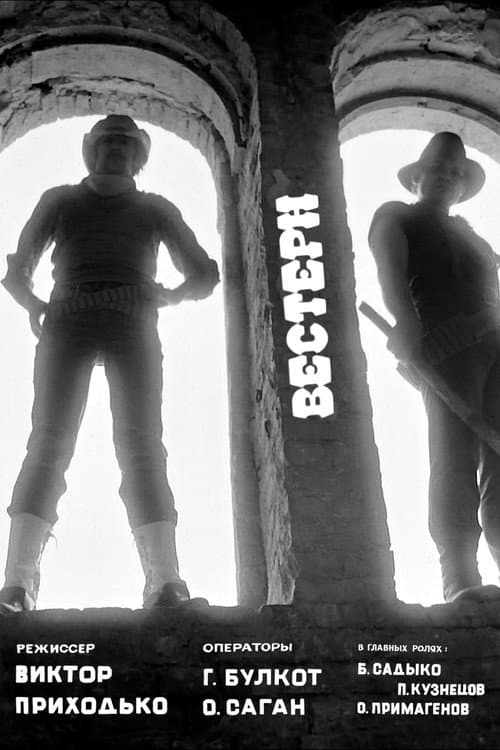
The heavy hand of Soviet censorship oversees the production of a Western. As a result, instead of exchanging gunfire, the cowboys send each other air kisses, and instead of drinking whiskey, they sit down to read some books.
Jan 1987
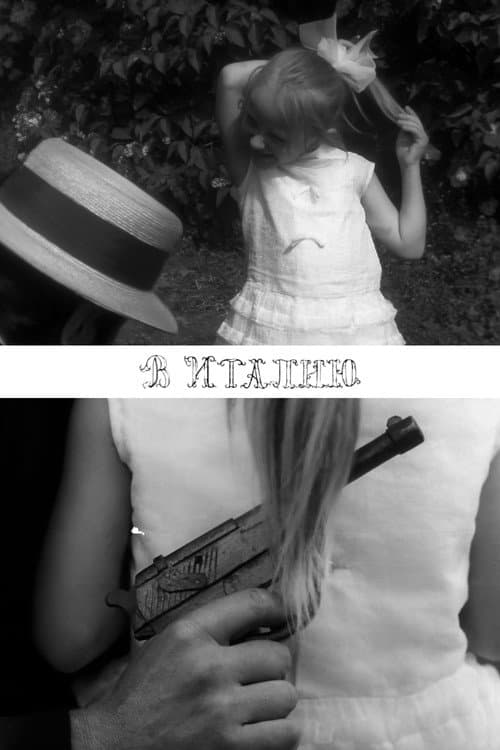
A rebel and escaped convict manages to hide in a garden after a shootout. There, he is unexpectedly stopped by a lively little girl named Olya, who mistakes him for her uncle. Half the town is searching for that man, but Olya has far more questions than anyone else.
Jan 1972
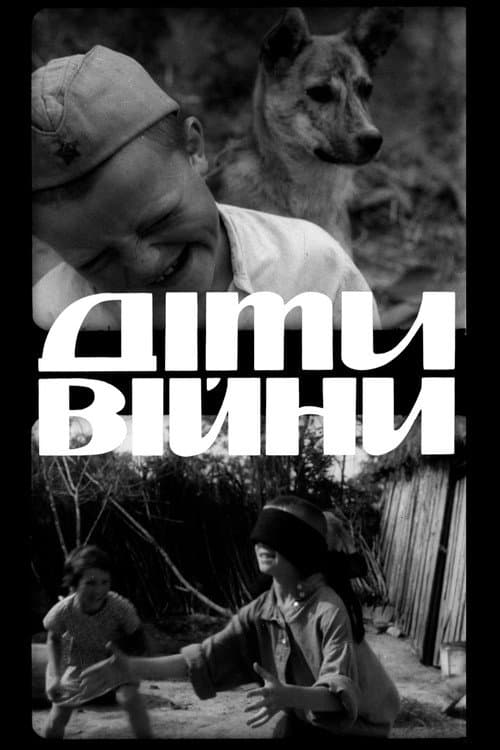
1940s, a Ukrainian village. The children of war play at running a postal service. Limping slightly, the little “postman” delivers something different to each person: a machine gun from the front to one, a letter from a son to another, and a death notice to someone else.
Jan 1969
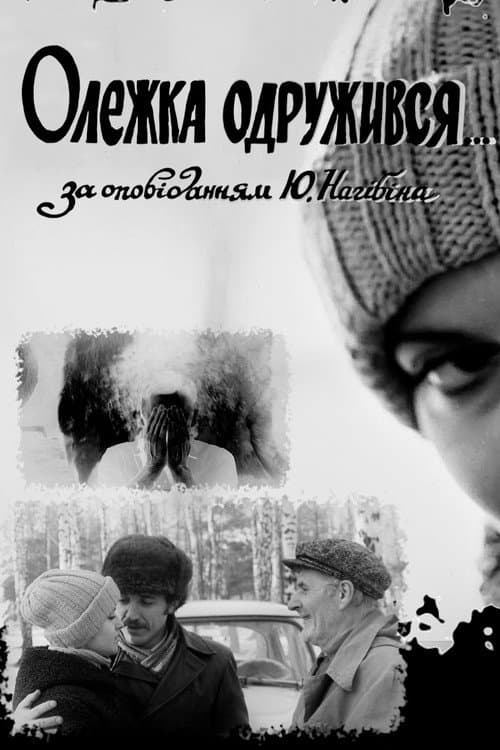
Olezhka arrives at a hunting lodge to visit the elderly gamekeeper Bolotov, a former wartime comrade of his father. He is accompanied by two friends, Vadya and Nadinka. Lightheartedly and somewhat provocatively, Oleh introduces Nadinka as his wife—but Bolotov takes this lie to heart, embracing it with genuine emotion and reading into it a deeper meaning.
Jan 1974
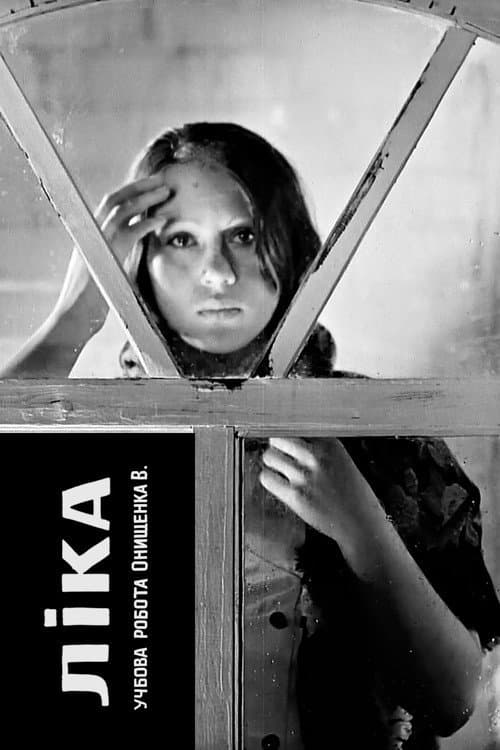
A young postman is in love with a girl named Lika—her hair, her comb, her veil—yet they are not meant to be together. A young woman is in love with the postman—his bag, his letters, his love for Lika—yet they are not meant to be together.
Jan 1977
Based on the short story “Too Late” by Latvian writer Egils Lukjanskis about one family that helped a German soldier during World War II.
Sketches from the life of an unnamed Middle Eastern country. The film features poems by Palestinian poet Muin Bseiso (1930–1984).
Jan 1980
Many years later, a man recalls his youth—and looks back on an unforgettable first love cut short by the outbreak of the Second World War.
During World War II, Jernej learns about the movement of twelve enemy soldiers. He sets out to ambush and kill them, but this choice leads to devastating consequences.
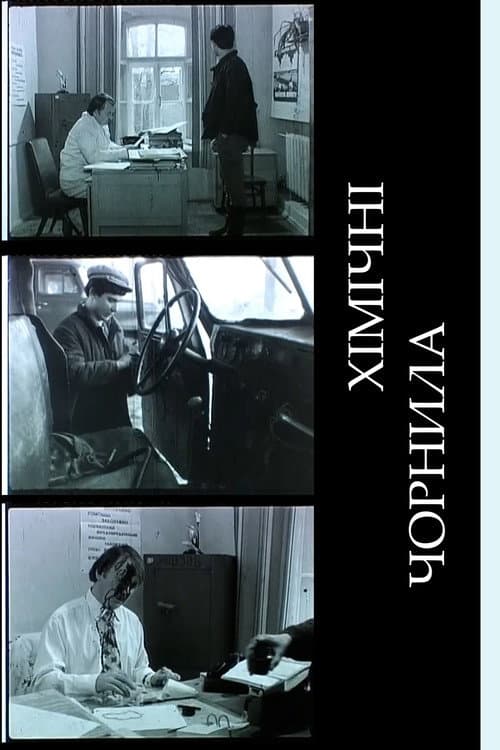
An irritated truck driver decides to quit his job. However, his boss refuses to return the employment record book. The resulting scandal unexpectedly complicates an already highly emotional situation.
Jan 1984
A man tired of the big city returnes to the village and suddenly strikes up a close friendship with a local deaf boy.
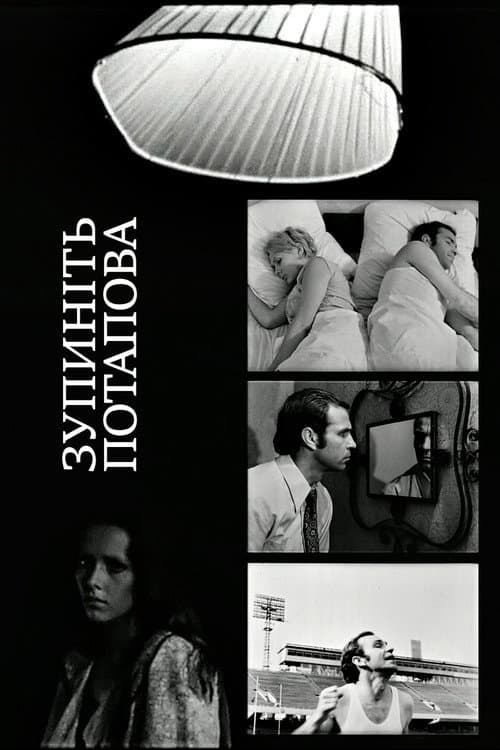
An employee of a certain SRI Potapov is a liar and an opportunist. But he does not even know that he is committing low things. It’s easiest to be cruel in life.
Jan 1975
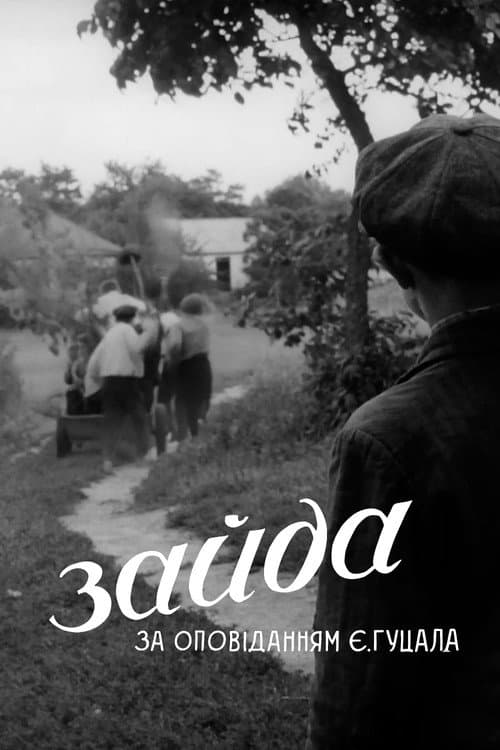
A boy named Roman appears in a village—an accidental drifter with no parents and no home. He is driven away from everywhere, yet he harbors no ill will toward anyone.
Jan 1973
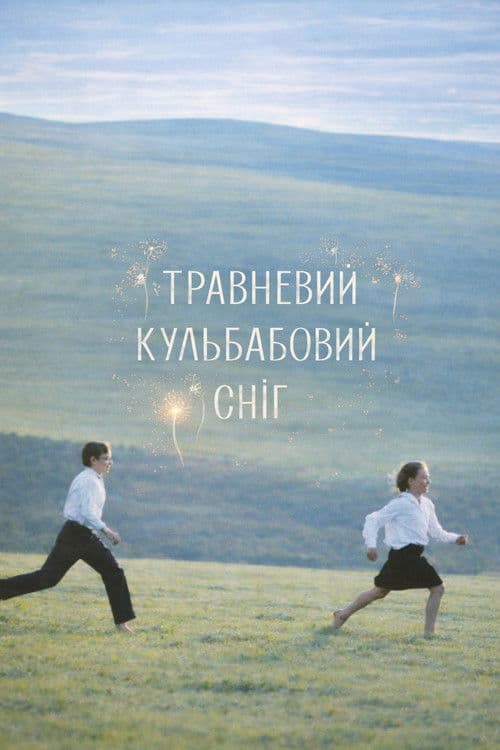
An engaged young man returns to his native village with his fiancée. Amid pastoral fields of dandelions, memories resurface of a youthful love for a local girl, Lida.
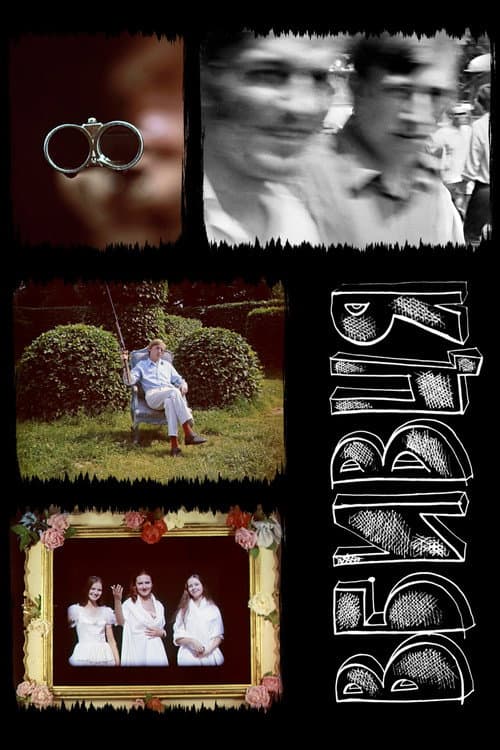
A rare representative of black comedy in Ukrainian Soviet cinema before the Perestroika era. Lapenkov is a petty Soviet townsman of an intensely neurotic disposition. One day, an artist approaches him on the street, obsessed with the idea of turning the man into the image of a murderer.
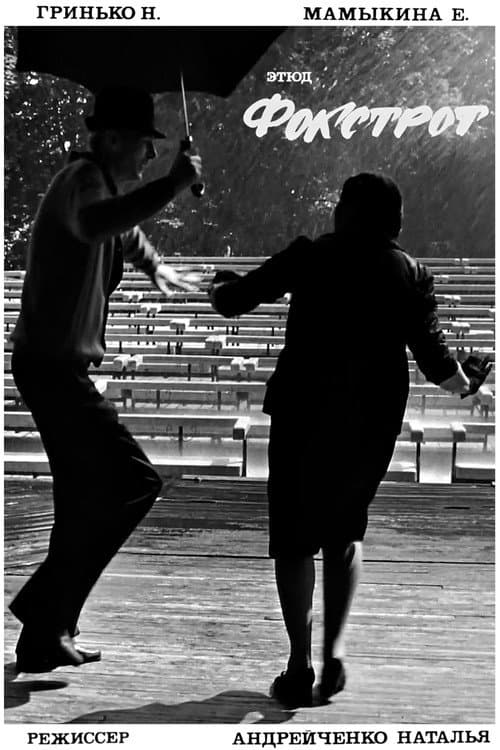
A film student shoots an étude on an elderly couple who meet late in life. You know how it goes: here they are in the rain, here they are on a swing, here they are dancing—something like love, or whatever that is.
Jan 1989
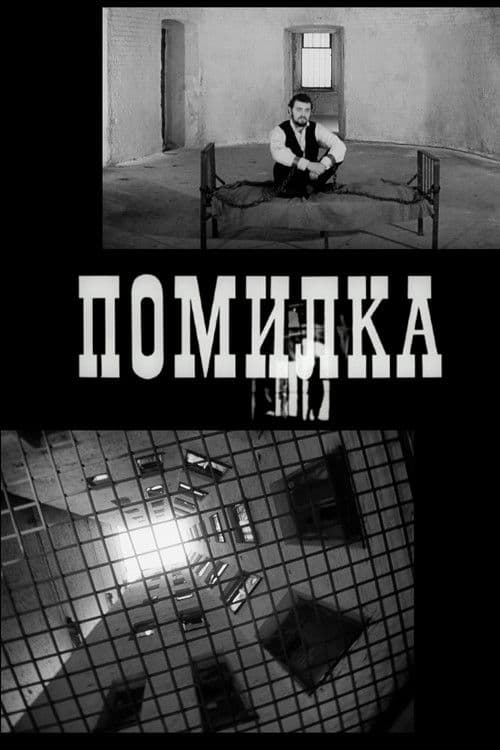
An intellectual and writer involved in underground revolutionary activity is imprisoned, where his convictions and will are put to the test. Based on Lesia Ukrainka’s short story “Mistake (Thoughts of a Prisoner)”.
Jan 1970
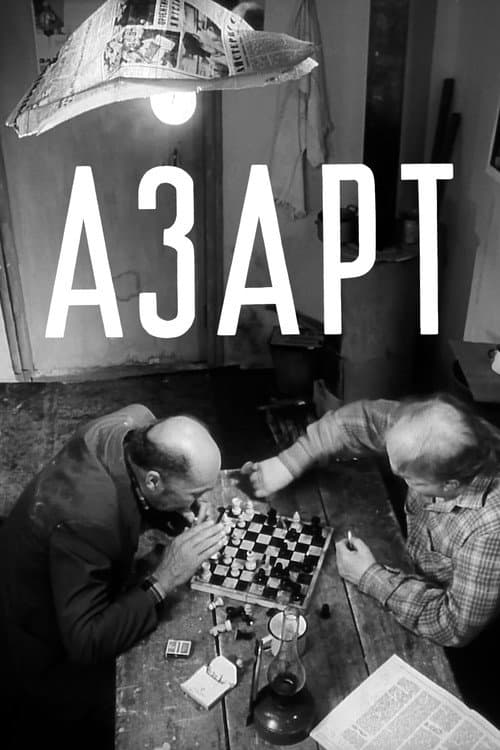
Two kolkhoz watchmen spend their free time each day playing cards and chess. Their competitive spirit gradually pushes the old friends to unforeseen extremes.
Jan 1976
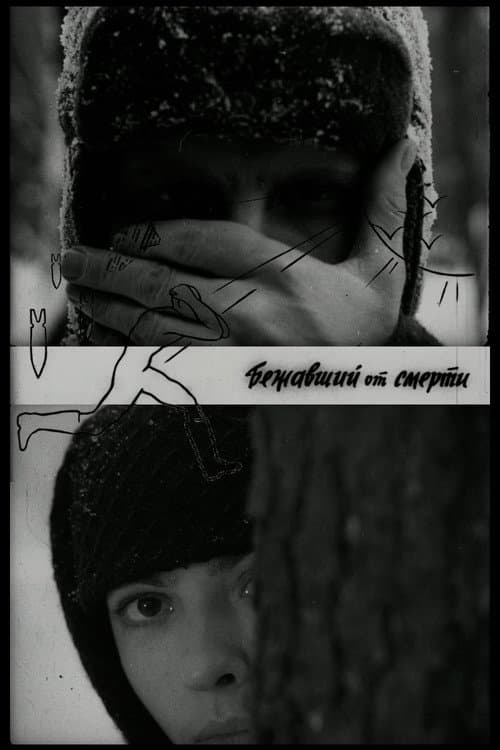
A wounded soldier limps through the forest, hovering on the brink of death. Among the trees, he catches sight of a woman—but she is in no hurry to help him.
Jan 1968