Menu
© 2026 The Couch Critic
Browse 214 movies from Thanhouser Company
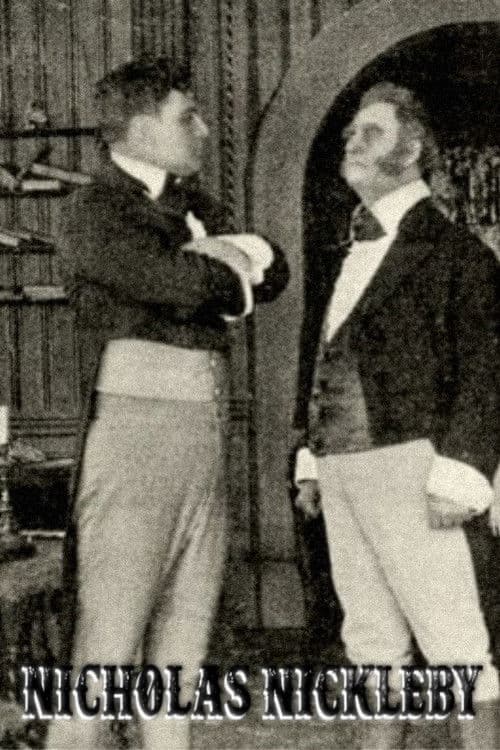
With The Old Curiosity Shop and David Copperfield, both released in 1911, and Nicholas Nickleby in 1912, Thanhouser established itself as producer of the best Dickens adaptations in American film.
Mar 1912
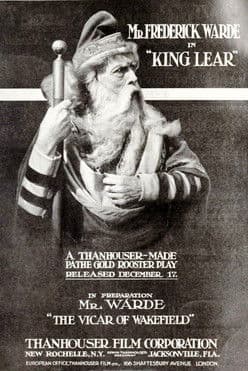
An aging King invites disaster, when he abdicates to his corrupt, toadying daughters, and rejects his loving and honest one.
Dec 1916
The production vindicated the new feature-length movie format by restoring several characters, plot complications, and atmosphere that had been truncated in Thanhouser’s 1910 version of less than one-sixth the length.
Feb 1917
Retelling of the well-known story of Pocahontas.
Oct 1910
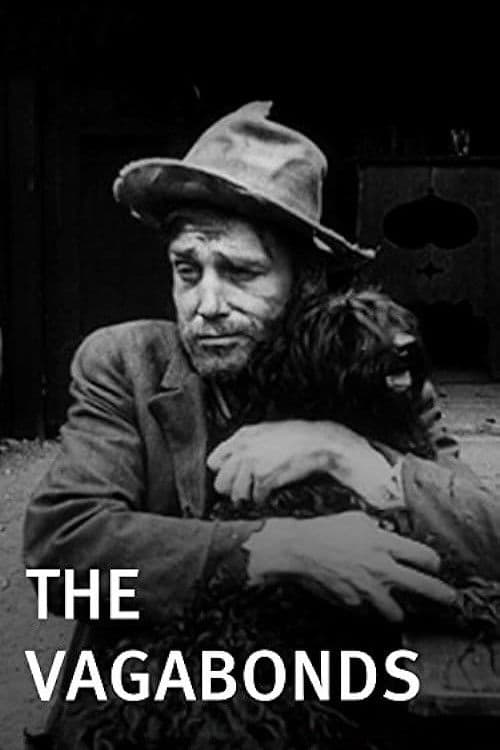
A series of flashbacks where a penniless, friendless tramp and his dog relates the story of his downfall due to drink.
Aug 1915
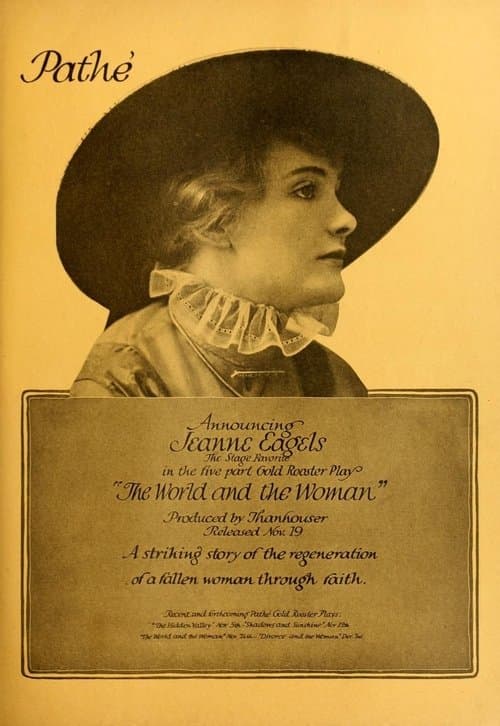
In "The World and the Woman", Jeanne Eagels plays Mary, a prostitute (which is implied by her walking the streets and being hassled by policemen) who reluctantly takes a better position at a country lodge as a maid. In this woodland community, she attends church and the path to Salvation becomes clear to her. Through Mary's faith, the injured folk of the countryside are healed. However, her old employer, whose lustful advances she'd previously spurned, still has designs on her.
Nov 1916
In the home of the stalwart young son and his mother, the girl rescued from the sea grows strong again after her fearful exposure. Her attractiveness, so different from that of the fisher maidens, has a telling effect on the young man. He asks her, at length, to become his bride, and she accepts. But a few days before the wedding the affianced bride disappears, sailing away with a strange man from the city, who has suddenly appeared. Thinking that his sweetheart had deserted him for another, the fisherman is heartbroken for a time, but gradually the keen edge of his sorrow wears away, and he succumbs to the attractions of another girl, one who had recently come to the village with her father, and who had lived together and alone at the end of the town.
Apr 1916
A broker who was trying to get rich dishonestly, found himself in danger of arrest. Just as he was preparing for flight a neighbor entered. This man had been poor all his life, but coming unexpectedly into a legacy of $10,000, decided that the broker was the man who could invest the money for him.
Nov 1912
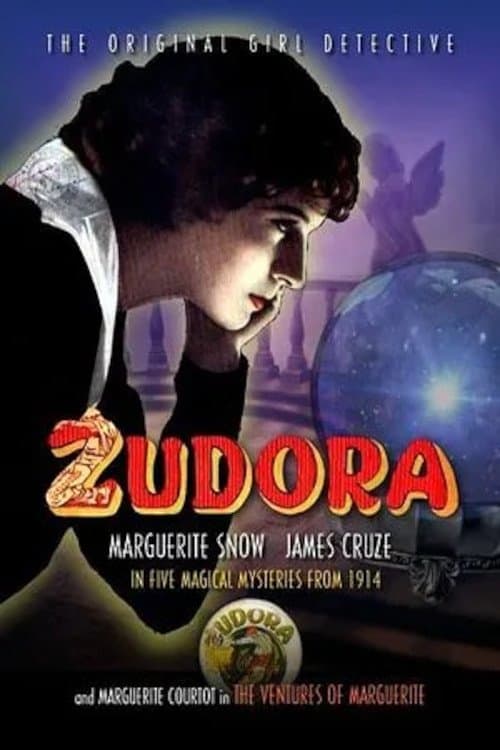
Zudora, not knowing she's an heiress to a $20 million fortune, lives with her uncle, a mystic and detective, who covets her inheritance. She wants to marry John Storm but her uncle is against it. However, the uncle makes a bargain; if Zudora can solve the next twenty mysteries brought to him, she can marry as she chooses. Episodes 1,2 and 8, plus another unidentified chapter, survive. The rest is believed to be lost.
Nov 1914
A young lord elopes with an employee's daughter. The visit of a lady to her home causes the young wife to leave her husband. Years later the peer succeeds to his family estates. Approaching his wife for forgiveness, his entreaties are of no avail. He meets his daughter on the cliffs, and she by accident falls and is killed. The sight of the dead body causes the wife to seek the protection and consolation of her husband
Apr 1912
Henry Dennys, a wealthy Englishman, has two sons who are frequently brought into the company of Edith Danvers, whose father, a retired general, lives on the adjoining property. As the youths approach manhood each one unknown to the other is secretly in love with the girl.
Oct 1915
He was a hard-headed old business man and very mercenary, so when he received a letter from a debtor in a little country town asking for more time in which to pay the amount he owed, he decided to show no mercy. But on the way to the home of his debtors he had an accident. He slipped and fell from a cliff upon a projecting ledge below. He was thinking less of the money than of the chances of prolonging his life when he heard someone call him, and looking up he saw a girl standing on the cliff.
Mar 1913
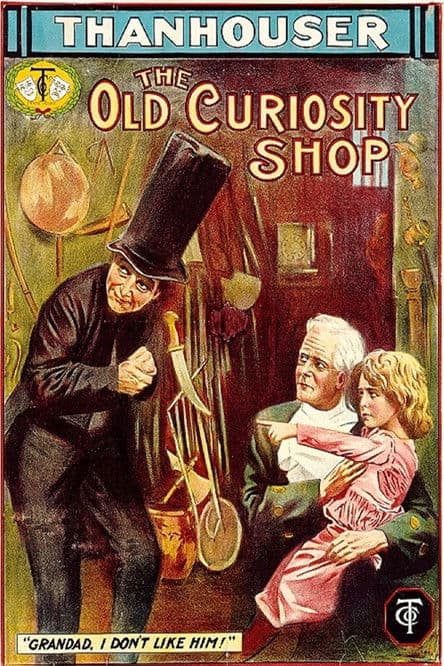
A kindly shop owner whose overwhelming gambling debts allow a greedy landlord to seize his shop of dusty treasures. Evicted and with no way to pay his debts, he and his granddaughter flee.
Jan 1911
The film's heroine is a dancer of world-wide reputation who, in the days of her struggle, has offended the story's villain.
Feb 1914
Two young people marry in a Continental village and receive the congratulations of all save the rejected suitor. He bides his time while the couple live happily and are blessed twice with children. War is declared after the husband has suffered an injury for life and the rejected suitor enlists.
Jun 1915
Dr. Henry Jekyll experiments with scientific means of revealing the hidden, dark side of man and releases a murderer from within himself.
Jan 1912
A rather complex interweaving of romance and crime is squeezed into one reel. A "respectable" couple of city "card sharpers" invite a distant country relative to visit, then use her as a pretty, unwitting decoy to lure rich victims. They flee town a step ahead of the law. At a resort, the innocent girl falls in love with the latest victim, but they help expose and apprehend the guilty parties.
Jul 1914
Helen Gray, the daughter of a hard working carpenter, receives the attention of her employer, much against her father's will. On her birthday, Mr. Adams invites her to dine with him and presents her with a handsome bracelet. That night, on Helen's return home, at twelve o'clock, her father, who has waited up for her, upbraids her.
Apr 1914
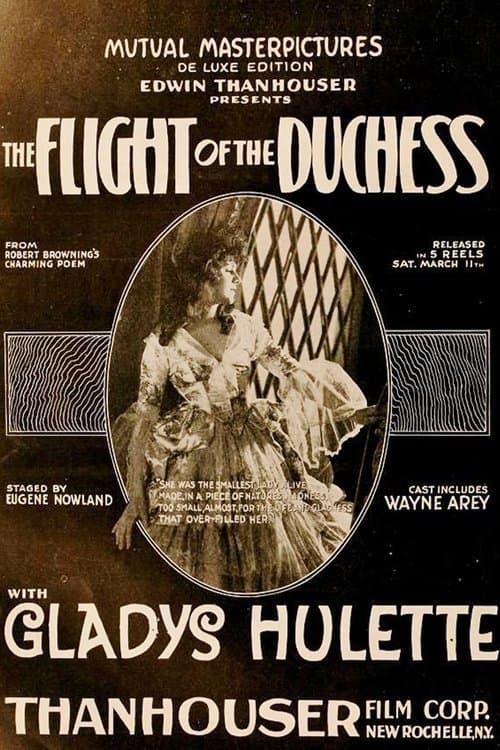
Based on Browning's poem, a widowed Duchess raises a son that decides to abandon modern ways and act like it's the medieval days. When he wishes to marry, a young woman is found and plays along believing it's all a joke.
Mar 1916
Happy in the love of his devoted wife and their child, a young businessman found life's pathway pleasant. Then the greatest of sorrows came; his wife died and he was plunged into gloom.
Oct 1912