Browse 117 movies from J.R. Bray Studios
Jun 1927
May 1927
Part of Max Fleischer's "Out of the Inkwell" series.
Oct 1920
One of the "Out of the Inkwell" series of silent short films featuring a combination of live action and hand-drawn animation.
May 1920
Jul 1927
Max Fleischer draws the upper and lower halves of the Clown's body, which dance around separately before coming together. Max interacts with his creation before ultimately washing the Clown off the page with water.
Apr 1919
Max Fleischer considers hiring a new cartoonist. While the new guy draws Max's portrait, Koko gets into a fight with a cartoon Chinese man.
Feb 1927
A new student at Washington College undergoes hazing, college football, dirty tricks by the rival team and a romance with a co-ed from Betsy Ross College.
Jan 1927
When a journeyman boxer's gal is attacked by a rival boxer, his manager says he is not ready--so he comes up with a plan to get revenge on the bully.
Oct 1926
Based on the comic strip Happy Hooligan, this cartoon was packaged with the Hearst-Vitagraph News Pictorial and shown before the main features in theaters.
Nov 1920
Mar 1927
Nov 1926
Sep 1926
Lewis Sargent as a college runner with a eye for the girls.
Apr 1927
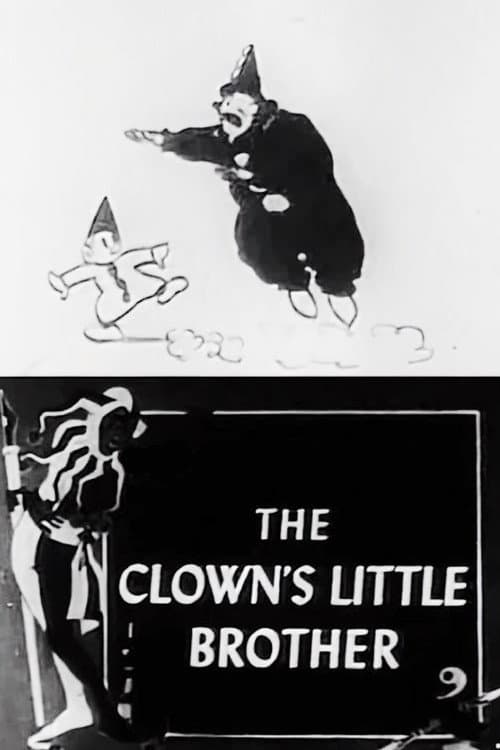
Koko the Clown's little brother comes to visit and wreaks havoc in Max Fleischer's studio.
Jul 1920
Max Fleischer draws a clown, who comes alive on the page. The clown doesn't like the way he is drawn and demonstrates his own artistic abilities.
Aug 1919
Max Fleischer draws Koko and a haunted house, while his colleague and the janitor mess around with a Ouija board. When Max goes over to take a look, Koko is haunted by ghosts and inanimate objects, and escapes into the real-world studio.
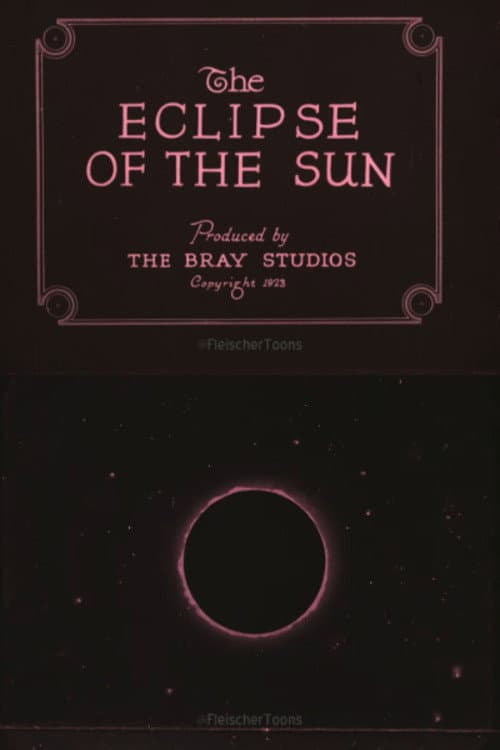
The Eclipse of the Sun was a science film released in July 1918, one month after a solar eclipse visible across the United States. This film was created while Max Fleischer was working at Bray Productions.
Jan 1918
A neighborhood group of mischievous kids open a makeshift, chaotic "animal catching" rescue business in their alleyway. True to the McDougall Alley series, the film is highly episodic and relied heavily on physical slapstick, animal antics, and chaotic neighborhood gags rather than a tightly written, linear plotline. The short features a very young, future Tony and Emmy Award-winning actress Nanette Fabray (credited here in her childhood years as "Baby Nannette").