Menu
© 2026 The Couch Critic
Browse 8 movies from Laboratorio di ricerche cinematografiche
Leonardi's first documentary Indulgenza Plenaria explicitly exposed, and implicitly criticized, a prevailing culture of oppressive policing and censorship, a widespread state authoritarianism in Italian society in the sixties.
Jan 1964
The title Amore amore (Love, Love) defines the primary emotive motor of the film and constitutes the filter through which are selected the materials used - people, things, signs - and determines a good portion of the associations though which the sequences unwind.
Dec 1966
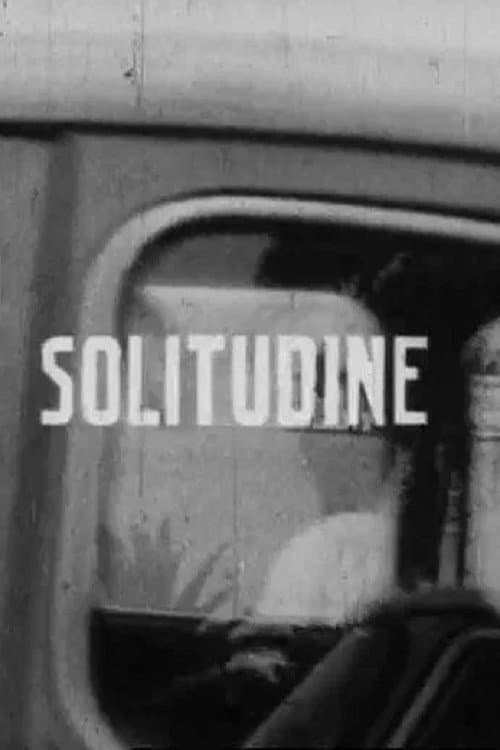
In a Tunisian village marked by poverty and ruin, fragments of daily life mingle with the desolation. Amidst the rubble, sacred Islamic images abandoned in the dust stand out—a powerful, symbolic vision of faith, decay, and resilience.
Jan 1966
Short film about a man walking through the city.
A deep dive into the beating heart of 1960s Stockholm—an era of change and contrasts, where modernity and tradition intertwine in a vibrant atmosphere.
Dec 1965
A collective portrait of 1960s Italy, captured through fleeting glimpses of men and women poised between the intimacy of daily life and the public sphere. An evocative narrative that—through details, faces, and atmospheres—reveals the identity of an entire society undergoing profound transformation.
Leonardi's film about the Living Theatre is less concerned with a straight documentary presentation of the exile theatre group from New York, but rather is concerned with the specific atmospheric factor which is indicated by their name, and which constitutes the highly suggestive effect of their playing. Cutting, for Leonardi, is the most decisive aesthetic device. The result is a wonderfully composed furioso of pictures. The hand-held camera catches rehearsals, conversations without sound, bits of theatre and daily life actions (which, for Living Theatre people, is very often intermixed).
Jan 1965
To a large extent, Cage’s scores do not exist. They consist of instructions on how to create the score: a series of transparencies featuring holes, dots, and lines, layered haphazardly upon one another. Leonardi attempts to follow this general path using a filming technique attentive to visual phenomena.