Menu
© 2026 The Couch Critic
Browse 8 movies from Odéon Théâtre de l'Europe
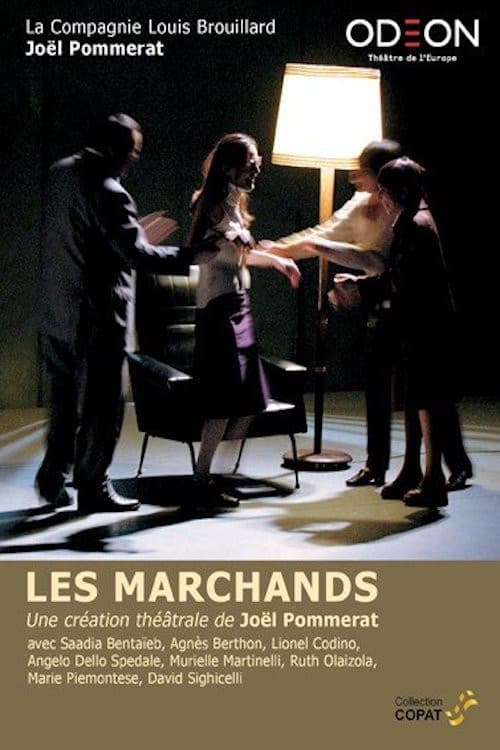
The originality of the show lies in the gap between the narrative provided by the voice-over (omnipresent) and the visible, concrete actions played on stage by the characters in an almost silent film: their play, sometimes very poetic, transcends narration. As a result, not only is the spectator's emotion intense, but the philosophical reflection on the meaning (s) of the work emerges: since Man sells his thought, his body, his time, in exchange for a salary, since he is constantly in exchange, barter, link, is he a "merchant"? What is he walking towards?
Sep 2013
May 2021
Dorante, an impoverished young man, is taken on as a secretary by Araminte, a rich widow with whom he is secretly in love. The valet Dubois does all he can to get Araminte to fall in love with Dorante. Following his staging of Marivaux’s comedy at the Odéon theater, Luc Bondy turns the whole theater building into a film studio, placing his actors in the foyer, under the stage, in the kitchens, using the most unusual and unexpected spots to invent a new dynamic between theater and film.
Apr 2017
Mar 2018
Jul 2026
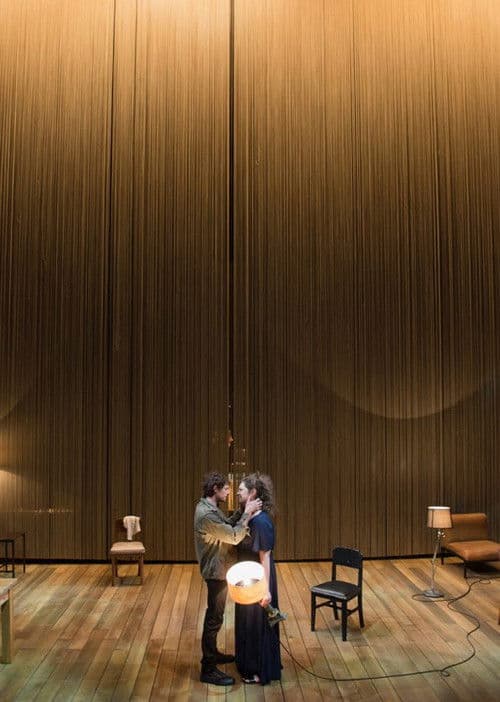
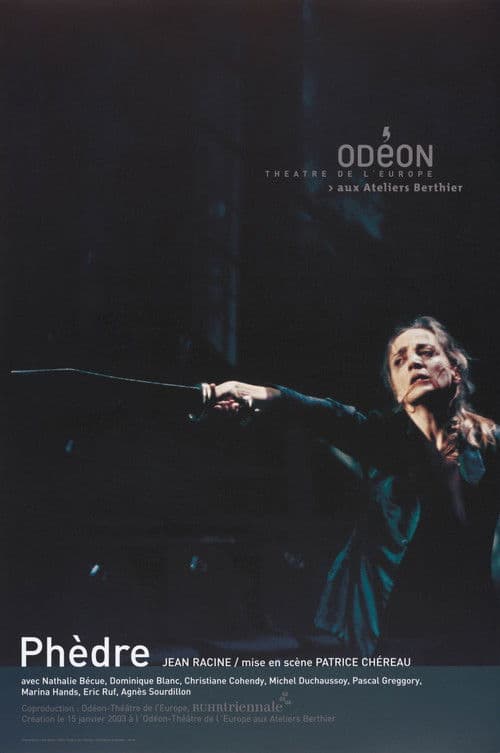
Hèdre is queen but doesn't love the king. She prefers his son Hippolytus, whom he had from a first marriage, to Theseus. A guilty love, hidden by feigned hatred, that makes her suffer and perish, and that she can't keep from confessing as soon as she hears of the king's death. But Hippolyte doesn't love her. And the monarch is only wounded. Ashamed, the queen can no longer look at him. Oenone, her confidante, tries to save her by making the king believe that the outrage comes from his son. Fanned by Theseus, the fury of the gods strikes Hippolytus. The adulteress kills herself.
Sep 2003
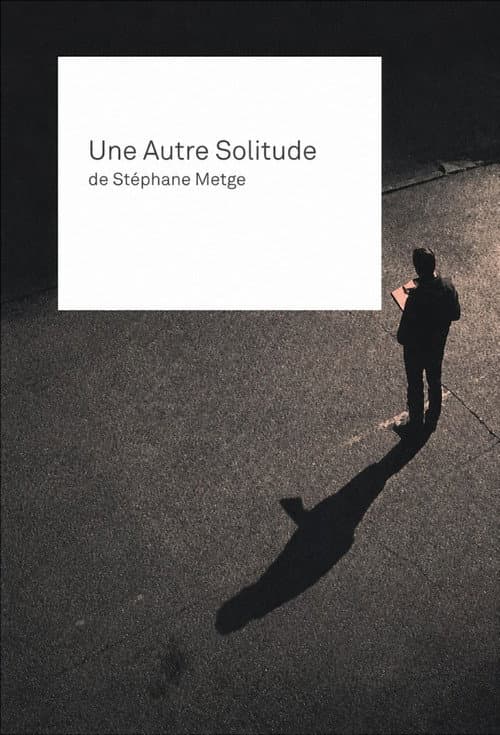
A look at the entire process of creating and developing Patrice Chéreau’s third staging of "In the Solitude of Cotton Fields" by Bernard Marie Koltès with Pascal Greggory and Chéreau himself. From the first reading around the table through the first contact with the performance space, rehearsals and lighting to opening night, the entire creative process unfurls in front of our eyes. The film shows us the evolving and ongoing dialogue between Greggory and Chéreau, a dialogue full of crises and magical moments of harmony and insight via which the truth, intensity, complexity, mystery and depth of Koltès’ text gradually emerge to form an implicit bond between these two men. The film also shows Chéreau directing rehearsals for Mozart’s "Don Giovanni" in Salzburg, revealing both the unity of and profound differences between his opera and theater work.
Jan 1996
Jan 2025