Menu
© 2026 The Couch Critic
Browse 123 movies from Dunav Film
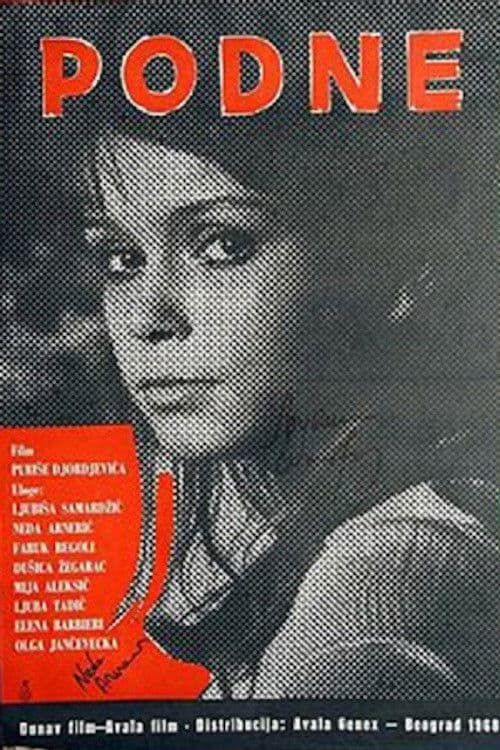
A portrait of a restless young man in late-1960s Belgrade whose cool exterior masks deep dissatisfaction, violent imaginings, and a search for identity amid urban life.
Jan 1969
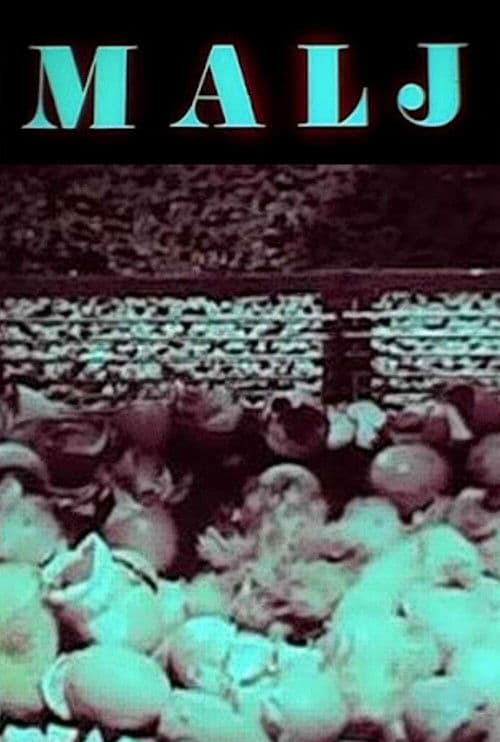
In a futuristic, antiseptic food factory, workers select healthy chicks, while the rejects are carried along a conveyor belt until they are crushed by a mallet and drop into a garbage bin. A single black chick appears among the yellow and is shoved toward the garbage bin. Before the mallet strikes, the gasping chick rebels.
Mar 1977
Young and Healthy as a Rose follows Stevan Nikolić, "Stiv", a petty criminal born in Belgrade, and his rise to power along with drugs, sex and with the help of the local police.
Jul 1971
Short documentary written by Branko Ćelović, along with the famous Serbian poet Matija Bećković.
Feb 1968
The lives of many people in one Serbian town are changed after Tito's breakup with Stalin.
Jan 1968
In the first days after the Second World War, as collaborators are being taken care of, a former partisan finds out that war never truly ends — not even in time of peace.
Jul 1967
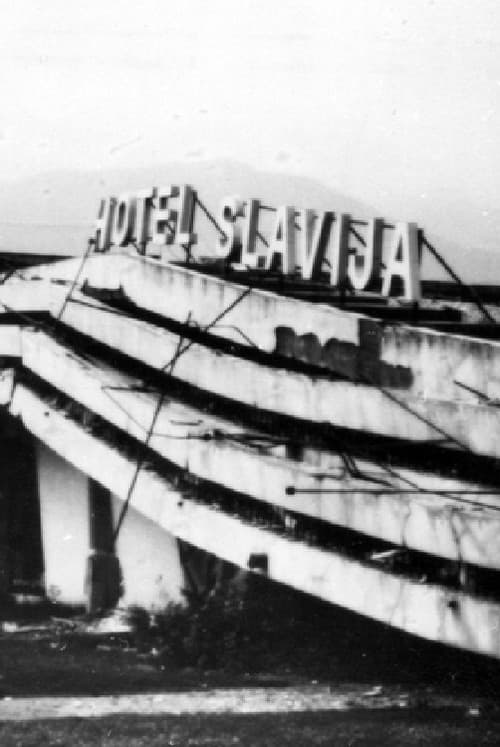
Vlatko Gilić, after not getting enough funds for his last film, Days of Dreams, and after getting his scripts he wrote in the 1980s rejected for being too "artsy", was unable to direct movies for the rest of his life. In the meantime, he had the chance to direct this short documentary movie about the natural beauties of Montenegro, for a ski hotel, after meeting its hotel manager.
Jan 1986
A documentary film consisting of various clips of Josip Broz Tito.
Jan 1978
Short movie.
Jan 1965
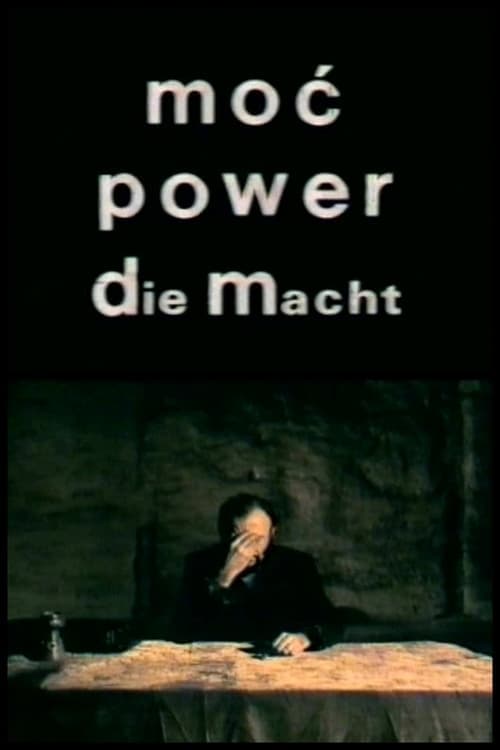
The movie is inspired by the book "Nova Klasa" by Milovan Đilas, a close associate of Josip Broz Tito, who later became a famous dissident. The book analyzes the process in which former "revolutionaries" become petty bourgeois. Wanting to imitate the classical bourgeois class in Serbia (which they destroyed with genocide, ethnocide, culturocide and urbanocide), they only manage to reach the level of provincial petty bourgeois. Their world resembles the world from Branislav Nušić's comedies. The quasi-elite even has fun with the characters and situations, recognizes themselves and enjoys their stupidity. Two horses in front of the National Assembly unsuccessfully try to prevent other "horses" from entering. The absurdity of what is happening in today's National Assembly even exceeds the imagination of Nušić.
Mar 1990
A priest’s daughter from a small town falls in love with cross country running over TV. She starts to train. She runs, meets a local boy and falls in love. She runs again, meets a black man and starts flirting. The local boy kills a black man out of jealousy and the police kills him.
Jul 1969
Filmed in Belgrade in 1962, Parade documents the city’s engagement with the annual May Day celebration by largely ignoring the formal procession. Instead, Dušan Makavejev records the informal moments surrounding it: workers, officials, wanderers, and organizers negotiating space, hierarchy, and appearance. Shot with a detached, humorous eye, the film assembles a mosaic of everyday behavior that reveals the contrast between official ceremony and lived social reality.
Sep 1962
"UIjez" shows the events in the then Kosovo, that is, the process of industrialization and modernization that symbolizes the arrival of excavators and other construction machinery.
The film analyzes the Titoist (Stalinist) rituals that were used to manipulate public opinion and the masses. In parallel, the film shows the monument of Edvard Kardelj, the main Orwellian ideologue of Titoism in the center of Ljubljana. The workers surrounding Kardelj are beings without articulated faces. Kardelj has the only human face. They all go to the so-called happy future. The monument confirms in an astonishing and perverse way that the so-called self-governing socialism produced a mass of impersonal and authoritarian individuals in the crowd, which the so-called communist elites rule unscrupulously by manipulating the feelings of the masses "about a better future".
Feb 1990
Short documentary.
Sep 1964
Short documentary by Krsto Škanata.
Dec 1967
Mar 1962
A satirical documentary examining the reach of bureaucracy through the everyday authority of the rubber stamp. Directed by Branko Ćelović, the film presents a mock historical survey of the stamp, tracing its supposed evolution from a pre-bureaucratic past to its omnipresence in modern administration. Through rapid montage, official seals are shown authorizing everything from marriages to food inspection, exposing how bureaucratic approval permeates daily life.
Jun 1966
A Grand Guignolesque grotesque which happens in the dusk of one of those imaginary nights when everything is possible. The scene takes places in a village’ inn and cemetery located one next to the other: joyful and always tipsy guests from the inn continuously meet mischievous vampires who, with their jokes, bother their brothers from this world.
Apr 1971
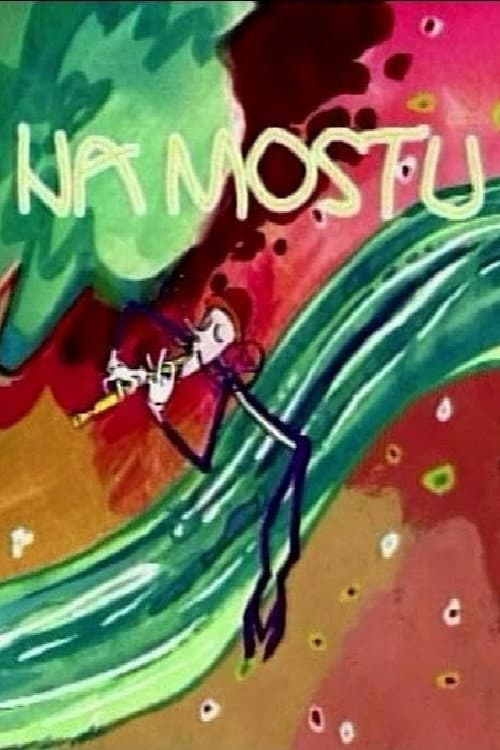
A boy wanders the city alone on a hot summer's day. He tries to escape it, but ends up finding a new friend. The film turns into a literal flight of fantasy.
Jan 1966