Menu
© 2026 The Couch Critic
Browse 5 movies from OHRA
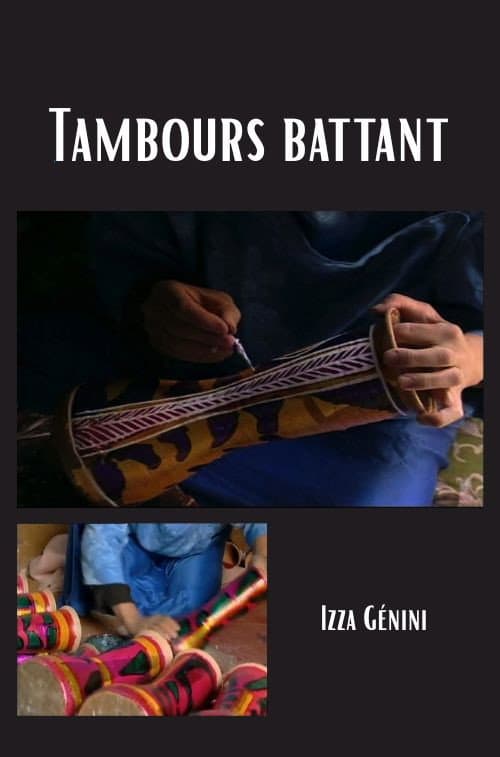
"The drums were everywhere. There were round ones, flat ones, pot-bellied ones... There were tiny ones and huge ones like those played by the musicians who came to turn beneath our windows in Casablanca..." Using the omnipresent percussion during Morocco's feast of Achoura, and Izza Genini's personal memories, this film examines the place of music in a person's relationship to his social and cultural origins. Profane or sacred music – what is the secret by which music binds a person to the world and sometimes to himself?
Jan 1999
Jan 1989
Jan 1988
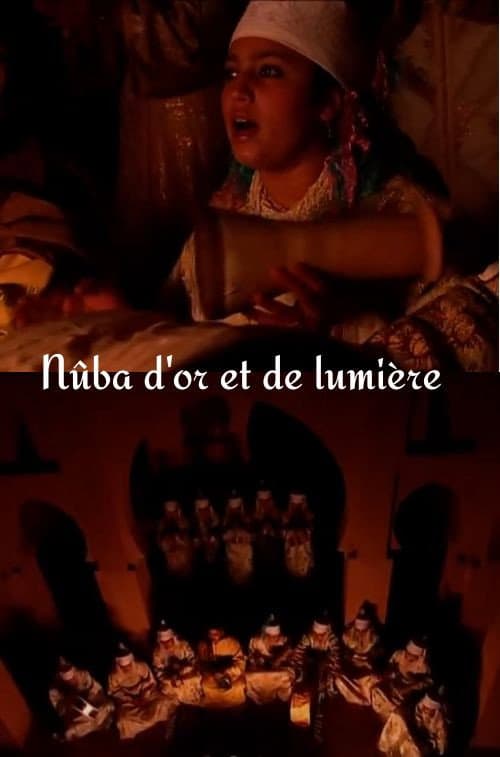
A story of Arabo-Andalusian music form of which Nuba could be seen as the symphonic form. In the image of a musical tree, its branches are nourished by a sap that, for the past 14 centuries, rose from the fringes of Morocco and currents of Arabia, grew in the courts of the Andalusian Caliphs, grew more robust in medieval Spain, melded with the songs of the troubadours and the Sephardics, then, replanted in the Maghreb, blossomed in Morocco under the name "el Ala". Birth. Apogee, Decline, the three phases of El andalus civilization, left their mark in the eastern muwashshah, Alfonso X’s cantigas of Santa Maria, in the Sephardic songs and the sanâa, the art of the nûba as it still exists around the Mediterranean. Dawn, Evening, Night inspires musicians and poets of the nuba imbued with the light of day, inhabited by human sentiments and temperaments, sustained by a public and artists who, from Tangiers to Tel Aviv, perform it in vibrant communion.
Jan 2007
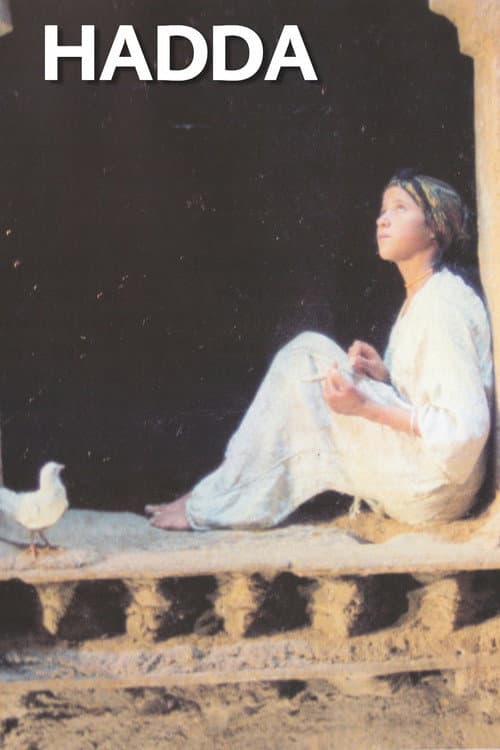
After Hadda, a young woman in a poor, arid village in the Moroccan countryside, is raped by Hamid, a young landowner who has returned to the village to reclaim his inheritance, she is forced to leave and fend for herself in the desert.
Jan 1984