Menu
© 2026 The Couch Critic
Browse 33 movies from DEFA
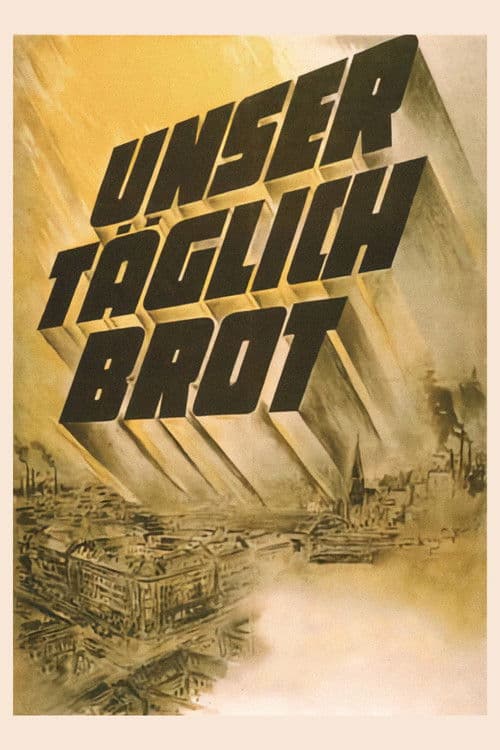
Documentary short to propagate the positive effects of labour protection laws.
Sep 1950
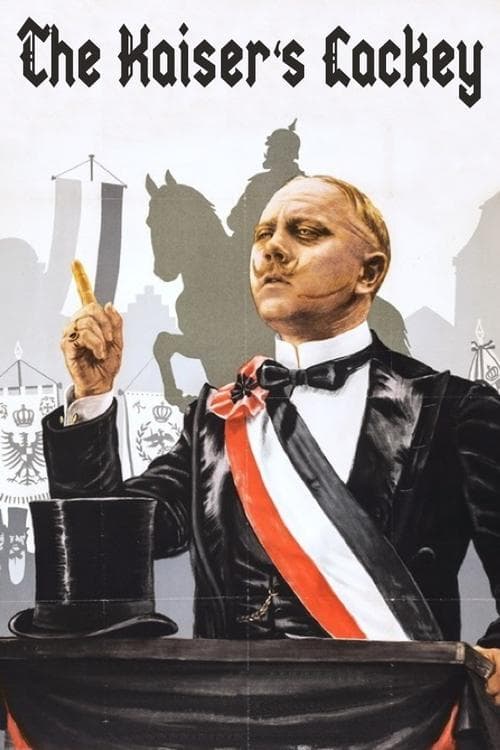
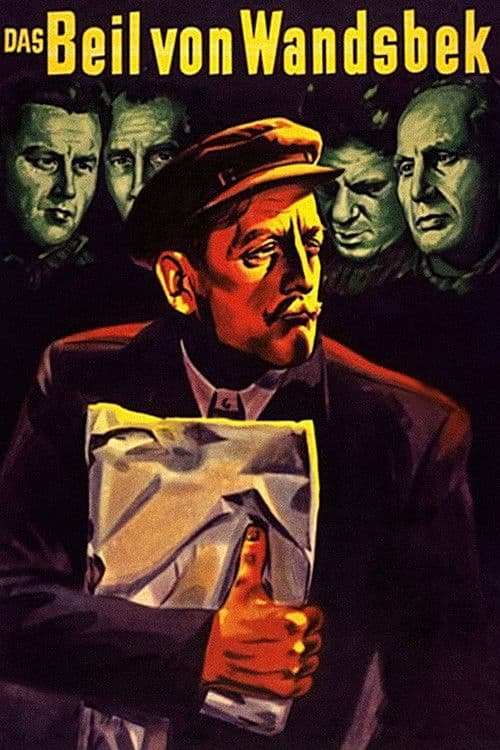
Diederich Heßling is scared of everything and everyone. But as he grows up, he comes to realize that he has to offer his services to the powers-that-be if he wants to wield power himself. His life motto now runs: bow to those at the top and tread on those below. In this way, he always succeeds: as a student in a duel-fighting student fraternity and as a businessman in a paper factory. He cajoles the obese district administrative president Von Wulkow and wins his favor. He slanders his financial rivals and hatches a plot with the social democrats in the town council. On his honeymoon with his rich wife Guste, he finally finds a chance to do his beloved Kaiser a favor. And when a memorial to the Kaiser is unveiled in the town where Diederich lives and works, he delivers the address. He stands behind the lectern in the pouring rain, saluting his Kaiser. The crowd is dispersed. Everything is laid in ruins...
Aug 1951
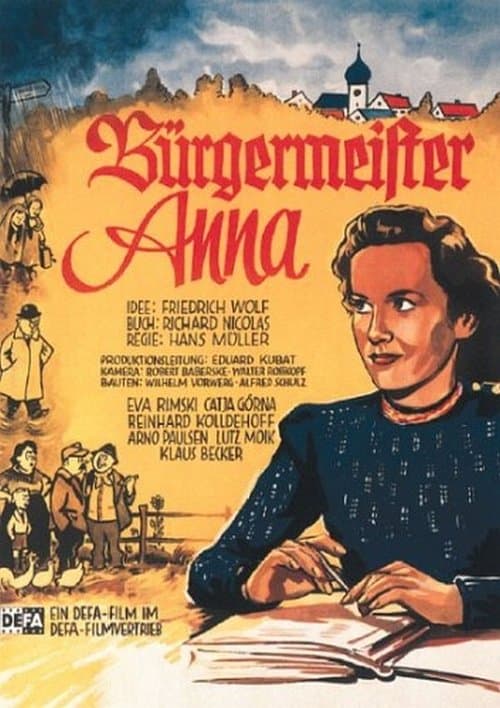
A novelty in German post-war history: a young woman becomes mayor in a village. She is efficient and enjoys respect, but soon enough two villagers disagree with her work. In her predecessor, a prominent farmer, she has a bitter enemy. But even her boyhood friend, who wants to marry her as he returns home from captivity, can not accept that his future wife holds such an office.
Mar 1950
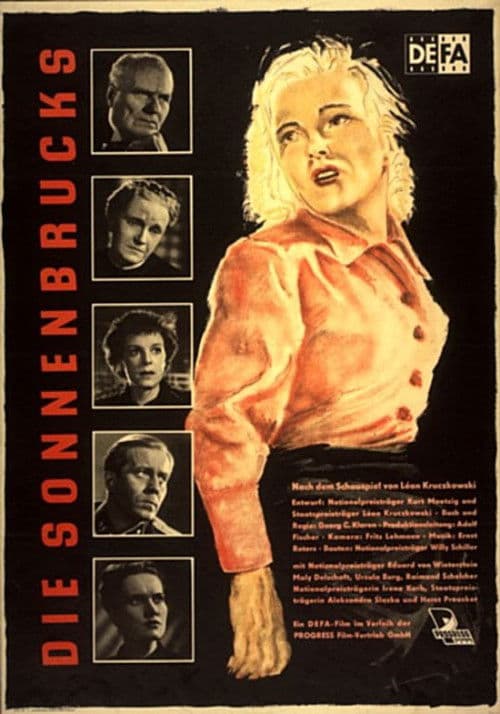
Professor Sonnenbruck is a scientist who is not particularly interested in politics. Even the meeting in 1943 with his former assistant Peters does not change him. He does not betray Peters, who has escaped from a concentration camp, but that is already enough for him. But after the war Sonnenrbruck gets into a conflict of conscience. He thought that science was finally free of politics again only to find the opposite happening at his university in Göttingen. A medical congress in the GDR brings him together with Peters, who is working on a major research contract there. Sonnenbruck decides to visit Peters.
Mar 1951
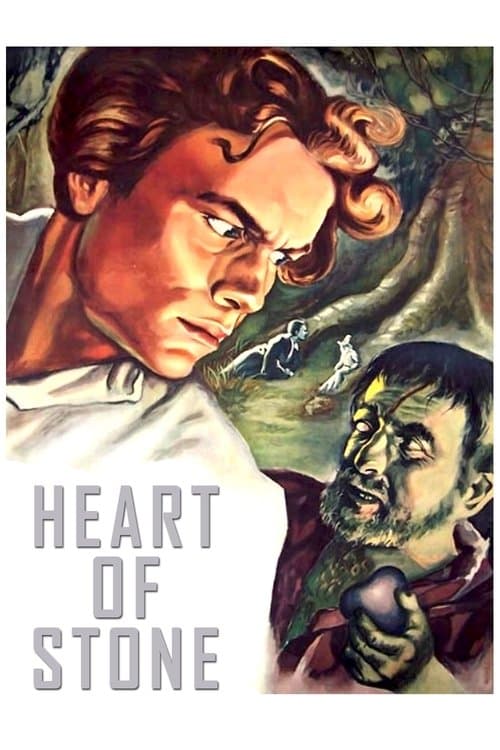
Lavish adaptation of Wilhelm Hauff′s fairy tale: Young charburner Peter Munk dreams of joining the upper class. He makes a deal with the sinister Holländer-Michel, who offers to trade Peter′s human heart for one made of stone. Once he has the "cold heart" in his body, Peter eventually strikes a fortune and enjoys great wealth, but at the same time, he becomes a bitter and emotionless man – and, having lost all traces of humanity, even murders his wife Lisbeth. Only then does Peter Munk finally realize what has become of him, and he decides to regain his real heart from Holländer-Michel.
Dec 1950
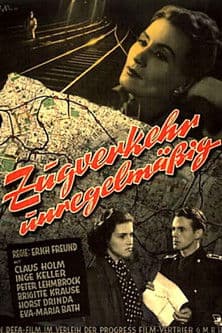
After Jochen saves police officer Erich's life, the two men become close friends and Erich helps Jochen get a job working for Berlin's local train system. But Jochen falls into the hands of the beautiful West Berlin agent Ellen, who convinces him to participate in acts of sabotage against the trains. All of a sudden, Jochen is making a lot more money and even Erich's former girlfriend Inge becomes interested in him. But everything begins to unravel when Erich observes his friend's illegal activity on one of his nightly rounds.
Jul 1951
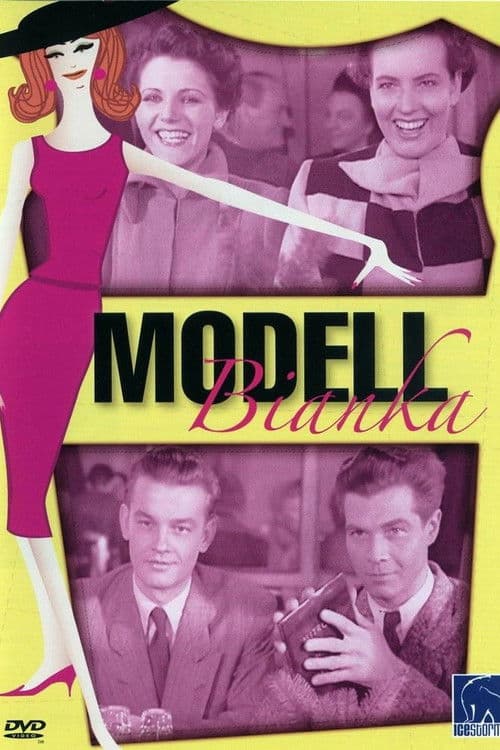
The friends Jochen and Gerd both work at the fashion boutique "Saxonia", which has only recently designed a new collection. Therefore, Jochen and Gerd are shocked when they meet two young ladies during their well-deserved holiday who are already dressed in two of the new pieces. And as if that was not enough, they pass the creations off as their own, even though they are employed at the competing company "Berolina". Naturally, the two men refuse to let the matter rest, although they do not actually want to raise a quarrel with the pretty ladies. After some turbulent entanglements they become aware of the foolishness of their squabbling and, eventually, the four of them present the disputed designs as a co-production at the fashion fair in Leipzig.
Jun 1951
A story about a family after the Second World War. The petty bourgeois cashier Karl Weber of Berlin observes from a distance how his son Ernst participates in the building of a new socialist society. Karl does not understand Ernst's visions, instead he confides in his other son Harry. However, Harry becomes involved in illicit business and Karl quickly realizes that it would be best to join his son Ernst in the citizen-owned factory.
Nov 1949
New teacher Heider takes up his post with great enthusiasm. His unconventional ideas meet with incomprehension and mistrust from the old head teacher Ruppert. When a boy has an accident on a school trip, the children blame Heider. The parents turn against him and he is suspended from his job. But Ruppert has come to respect the new boy. He does not believe he is to blame. Meanwhile, the children are preparing the next mischief. They want to blow up a ruin with explosives found in the forest. Heider is able to prevent this at the last minute. He is rehabilitated and everyone happily awaits his return to school.
Oct 1950
Sportivnyy prazdnik molodyozhi (Youth Sports Festival) (1951) is an East German sports documentary co-directed by Andrew Thorndike and Dmitri Vasilyev. The film documents the athletic competitions held during the 3rd World Festival of Youth and Students in Berlin, showcasing a variety of sports and the spirited participation of young athletes. Notable figures such as Emil Zátopek and Levan Sanadze make appearances. Released in both the Soviet Union and East Germany, the documentary celebrates youth sportsmanship and the spirit of international unity during the post-war era.
Dec 1951
Hamburg, Germany 1934: An executioner is needed. Teetjen makes the biggest mistake of his life. Because his butcher shop is facing bankruptcy, he agrees to execute a group of political prisoners for the Nazis. Once this becomes known, Teetjen’s life falls apart.
May 1951
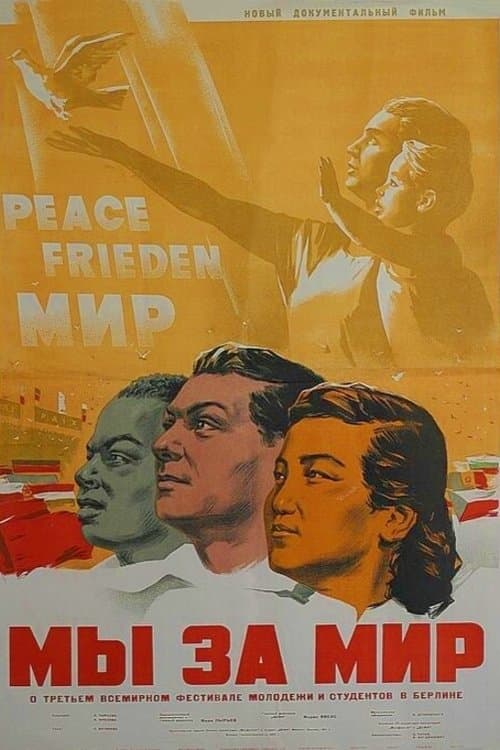
Film about the third 'Weltfestspiele der Jugend und Studenten für den Frieden' in East Berlin, 1951. West Germany is represented as a degenerate country which has been occupied by the Americans and is still inclined to fascism. We see the construction of the stadium, the departure and arrival of the delegations, the opening and closing by Enrico Berlinguer, a sports event, the parade of the delegations, a visit to Potsdam, folk dancing, and police violence against youngsters from West Berlin who want to visit East Germany because of the games. The film is interlaced with shots from the Korean War and a parade by NATO-troops in West Germany. Featuring Robert Montgomery, Konrad Adenauer, Wilhelm Pieck, Dwight Eisenhower, Robert Leer and Erich Honecker. The crew comprised no less than 24 cameramen. This project was the first great colour film Ivens co-operated in.
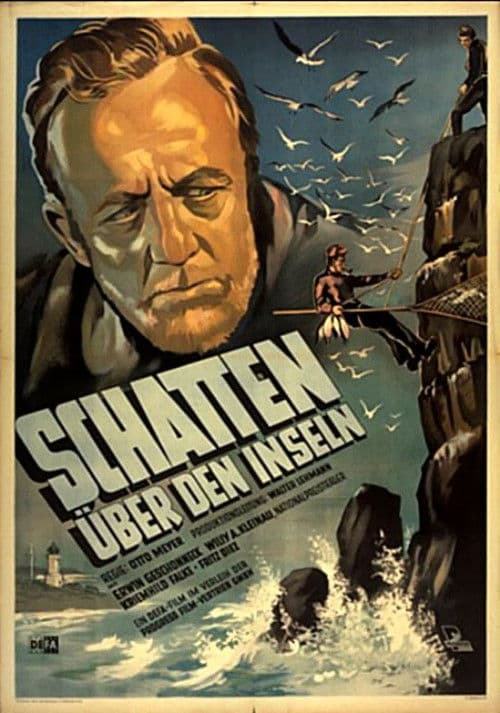
On the Faroe Islands, people eke out a meagre existence by catching birds. Merchant Brause pays them little and does a good business. This comes under threat when Dr. Sten Horn suspects that the dangerous annual plague, which kills dozens of inhabitants, is transmitted by birds. Brause forces the people to work anyway and conceals the telegram from the Copenhagen research institute that confirms Horn's suspicions. Horn, supported by his cousin Arne, enlightens the islanders and the greedy Brause can only flee.
May 1952
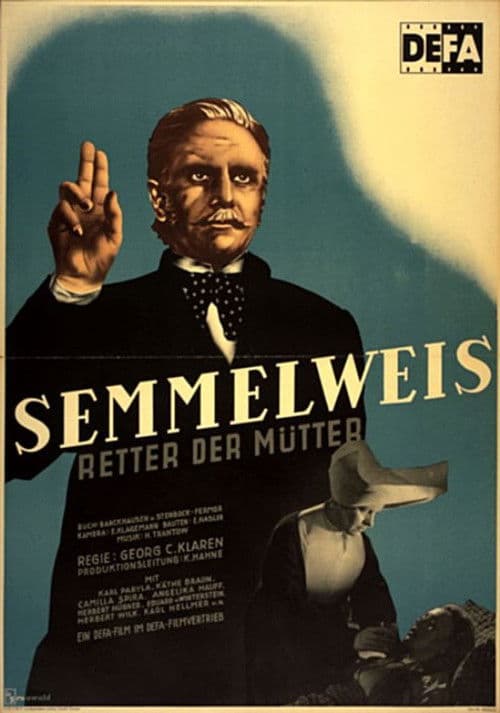
In the middle of the 19th century, almost one in three women who gave birth died of puerperal fever. The Hungarian doctor Ignaz Philipp Semmelweis also observed these terrible occurrences in his clinic in Vienna. He came to the conclusion that it was primarily the unhygienic conditions in the clinic itself that led to this disease, as his colleagues were constantly shuttling back and forth between the anatomy department and the delivery room. He tries to convince the doctors of the absolute necessity of thorough disinfection by washing their hands with chlorinated lime. He meets with fierce resistance from his colleagues until he himself sets up an exemplary clinic in Budapest.
Jun 1950
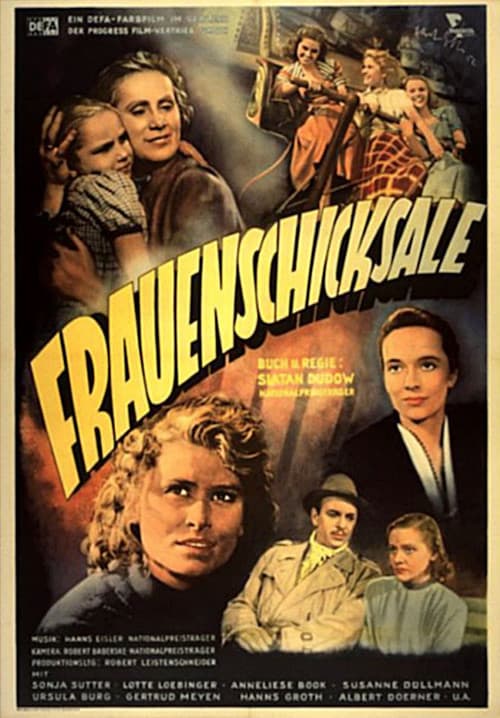
Berlin 1952, seven years after WWII. Four women are looking for a good man and happiness in the divided city. Their destinies are loosely connected through one person: the West Berlin dandy and womanizer, Conny.
Jun 1952
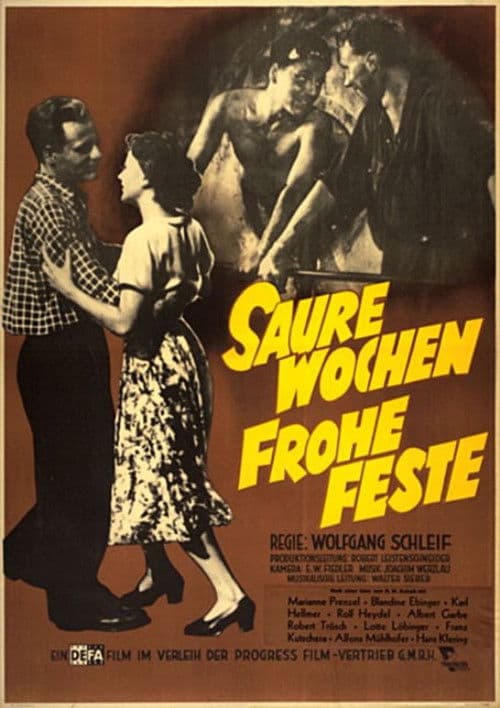
A theater competition breaks out on the occasion of the four-year anniversary celebrations at the Hennigsberg power plant. The old hands want to perform the kitschy musical comedy "Gärtnerliesl". The youngsters are against it and are planning their own program with which they want to skewer events from the plant in a cabaret style. But first, everyone has to work together on a turbine breakdown. On the day of the festival, the "Gärtnerliesl" fails with timpani and trumpets, while the youth's program is met with great applause, which the rivals join in with.
Nov 1950
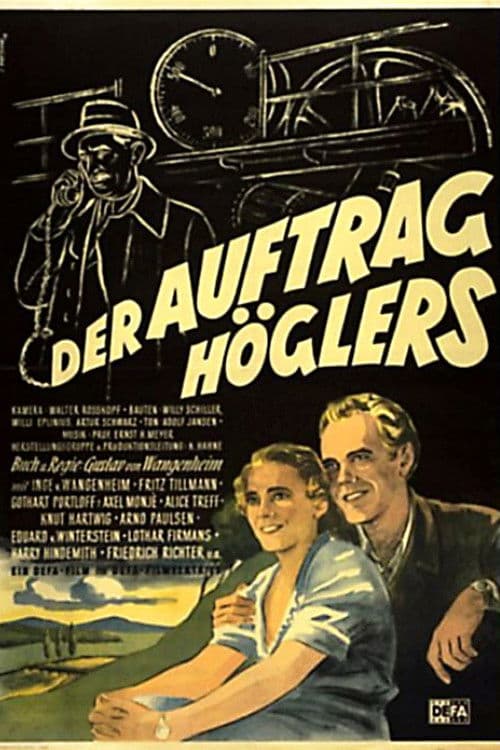
The Luisin ridge is divided not only by the river, but also by the zone boundary. The old CEO Högler still lives in the west, the eastern part has been expropriated and is managed by the chief engineer Dr. Tellen. He is working on a new steel production process that Högler absolutely needs. Högler's means to achieve his goal are bribery, espionage and slander. Trade union member Maria Steinitz almost becomes a victim of slander. However, the intrigue is exposed and Hogler's criminal intentions are thwarted. At a large production meeting, the old people's controller Hufland exposes the true culprits. Maria and Fritz Rottmann, a trade unionist from Munich, who have known each other since the days of the anti-fascist resistance, embrace each other.
Jan 1950
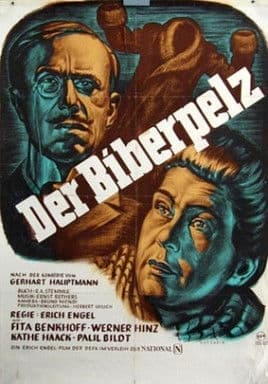
Mother Wolffen, a washerwoman, is a woman of principle: A poor man must do what he must to get through life, only he mustn't get caught doing it. All sorts of crooked deals contribute to the improvement of the daily menu and the increase of household funds. When everyone is searching for pensioner Krueger's missing beaverskin coat, Mother Wolffen and her family are calmly enjoying fresh roast venison.
Oct 1949
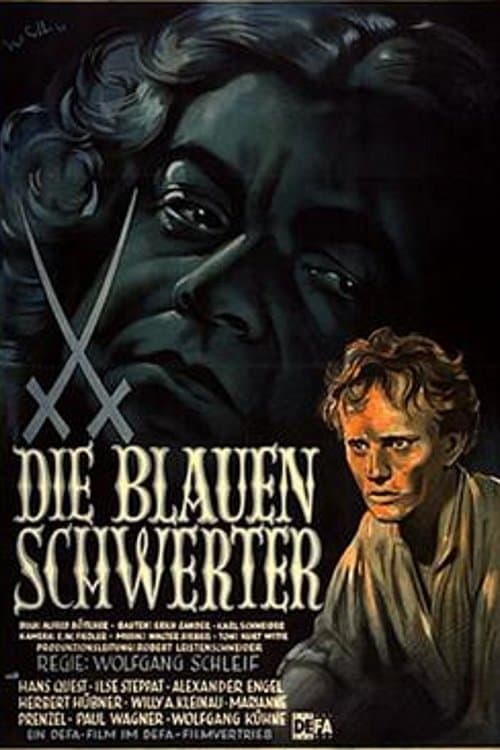
The story of Johann Friedrich Böttger, an apothecary’s apprentice and alchemist’s assistant. Fleeing from the Prussian King, he goes to Saxony, where King Frederick August the Strong takes him to a fortress and demands that he create gold. Böttger is equipped with everything he would need for the task, but he has known for a while that actual gold production is a myth and instead experiments with porcelain—white porcelain, as the Chinese are said to possess. In 1709, he finally succeeds in surprising the King with the "white gold," the first white porcelain made in Europe, he hopes for freedom.
Dec 1949
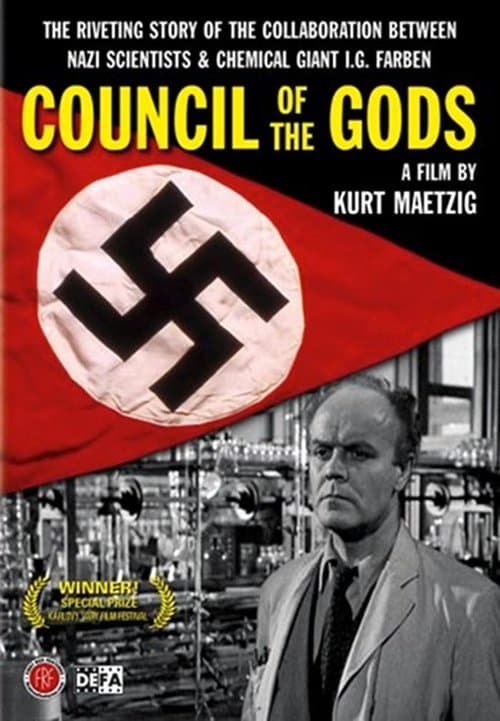
Based on the records of the Nuremberg trial of the chemical giant IG Farben; a story about the collaboration between international corporations and Nazi scientists, whose research contributed to the death of millions. The chemist Dr. Hans Scholz lives through a tortuous political transformation and maturation process. Eventually, he adopts political neutrality and closes his eyes to the fact that the poison being produced in his factory is being used in the extermination camps. Standing before the judges at the Nuremberg trials, he must face the fact that he is implicated in the deaths of millions in the gas chambers of the concentration camps.
May 1950